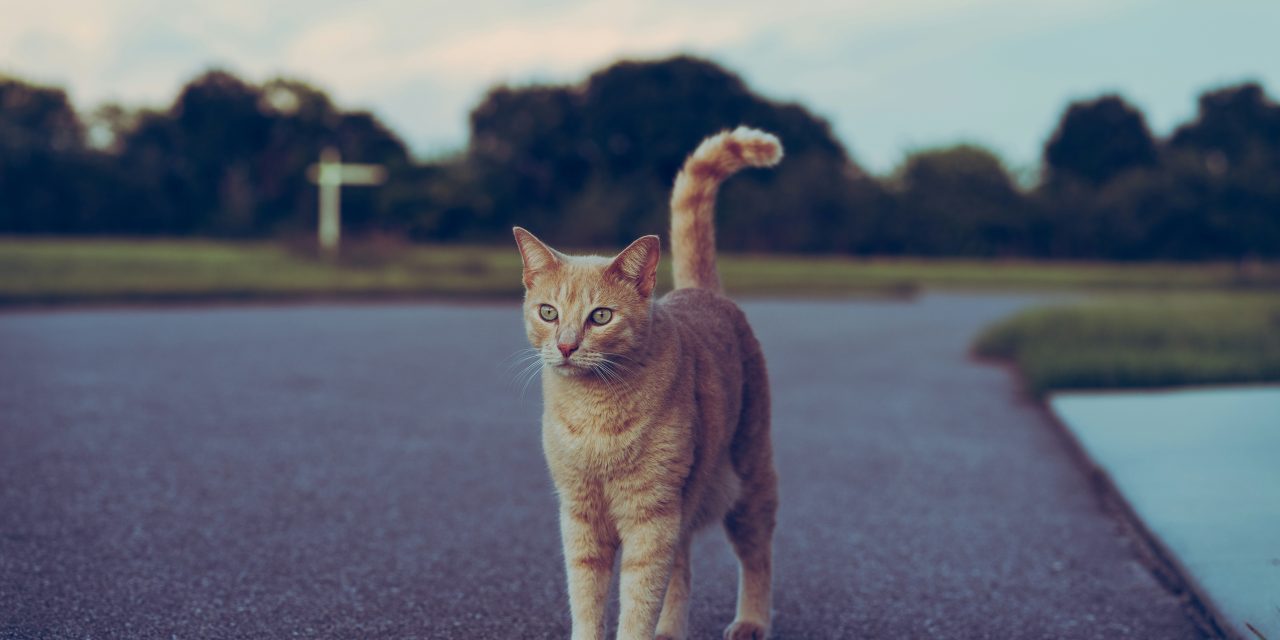
The tail of a cat is not merely an appendage; it serves as a vital instrument of communication and expression. Understanding the nuances of cat tail movements can provide profound insights into a feline’s emotional state and intentions. Cats are inherently expressive creatures, and their tails are one of the primary means through which they convey their feelings. Observing these movements can enhance the bond between humans and their feline companions, allowing for a deeper understanding of their needs and desires.
Tail movements can vary significantly based on a multitude of factors, including the cat’s environment, social interactions, and individual personality traits. By paying close attention to these signals, cat owners can better interpret their pets’ moods and behaviors. This article delves into the anatomy of a cat’s tail, the various ways cats communicate through tail movements, and how these signals can differ among breeds.
The Anatomy of a Cat’s Tail
A cat’s tail is a complex structure composed of vertebrae, muscles, nerves, and skin. Typically, a domestic cat’s tail consists of approximately 20 to 23 vertebrae, which are flexible and allow for a wide range of motion. The tail is anchored to the spine by ligaments and muscles that enable it to move fluidly in various directions. This anatomical design not only aids in balance but also plays a crucial role in communication.
The tail’s length and thickness can vary significantly among different breeds. For instance, the Maine Coon boasts a long, bushy tail that aids in maintaining balance during agile movements, while the Siamese has a slender, elongated tail that complements its sleek body structure. The fur covering the tail can also differ in texture and color, contributing to the overall appearance of the cat. Understanding this anatomy is essential for interpreting the significance of tail movements accurately.
Communication: How Cats Use Their Tails

Cats utilize their tails as a primary means of non-verbal communication. The position and movement of the tail can convey a wide array of emotions, from happiness to aggression. For example, when a cat holds its tail upright with a slight curve at the tip, it typically indicates confidence and contentment. Conversely, a low-hanging tail may signify fear or submission.
Moreover, cats often use their tails to communicate with other felines. A cat may flick its tail rapidly when agitated or annoyed, signaling to other cats to maintain distance. In contrast, slow swaying movements can indicate curiosity or interest in their surroundings. Understanding these signals is crucial for fostering harmonious interactions between cats and their human companions.
While many people associate tail wagging with happiness in dogs, the same cannot be said for cats. Tail wagging in felines often indicates agitation or irritation rather than joy. A cat that is wagging its tail may be feeling threatened or annoyed, signaling that it is not in the mood for interaction.
On the other hand, tail twitching can signify excitement or heightened interest. When a cat’s tail twitches while it is focused on a toy or prey, it reflects its predatory instincts coming into play. This behavior is often seen during playtime when cats are engaged in stalking or pouncing activities. Recognizing these distinctions is vital for understanding your cat’s emotional state and responding appropriately.
Signs of Happiness and Contentment in Tail Movements

A content cat will exhibit specific tail movements that reflect its positive emotional state. An upright tail with a gentle curve at the tip is one of the most common indicators of happiness in felines. This posture signifies confidence and openness to interaction. Additionally, when a cat approaches you with its tail held high, it is often seeking affection and companionship.
Another sign of contentment is when a cat’s tail is held horizontally while it engages in playful behavior or explores its environment. This position indicates that the cat feels secure and relaxed in its surroundings. Furthermore, gentle swaying or slow movements can also signify that a cat is at ease and enjoying its current activity.
When Tail Wagging Indicates Agitation or Irritation
Contrary to popular belief, tail wagging in cats does not equate to happiness; rather, it often signifies agitation or irritation. A cat that is rapidly flicking its tail may be expressing annoyance or frustration, indicating that it feels threatened or uncomfortable in its current situation. This behavior serves as a warning signal to other animals or humans to maintain distance.
In some cases, a cat may also exhibit aggressive behavior alongside tail wagging. If accompanied by flattened ears or dilated pupils, this indicates that the feline is on high alert and may be preparing to defend itself if necessary. Recognizing these signs can help prevent potential conflicts and ensure a safer environment for both cats and their human companions.
Understanding Tail Signals During Playtime
During playtime, cats exhibit various tail movements that reflect their excitement and engagement levels. A cat that is fully immersed in play will often have its tail held high with occasional twitching or flicking at the tip. This posture indicates enthusiasm and readiness to pounce on imaginary prey.
Conversely, if a cat’s tail becomes stiff or starts to swish back and forth rapidly during play, it may indicate overstimulation or frustration. In such cases, it is essential for owners to recognize these signals and provide breaks or distractions to prevent aggressive behavior from escalating. Understanding these dynamics during playtime can enhance the overall experience for both the cat and its owner.
Tail Movements as a Warning or Defensive Gesture
Cats are instinctively territorial creatures, and their tails play a significant role in warning others of potential threats. When a cat feels threatened or cornered, it may puff up its tail to appear larger and more intimidating to potential aggressors. This defensive posture serves as a warning signal to other animals that they should back off.
Additionally, if a cat’s tail is held low with rapid flicks or twitches, it may indicate that the feline is preparing to defend itself if necessary. Recognizing these warning signs can help prevent confrontations between cats or between cats and other animals in shared environments.
The Role of Tail Language in Cat Social Interactions
Tail language is an integral aspect of feline social interactions. Cats communicate with one another through subtle movements and positions of their tails, which can convey various messages about their intentions and emotions. For instance, when two cats greet each other with tails held high and gently intertwined, it signifies mutual trust and friendliness.
Conversely, if one cat approaches another with its tail held low or puffed up, it may indicate submission or fear. Understanding these social cues can help owners facilitate positive interactions between their cats and other animals, promoting harmony within multi-pet households.
How Tail Behavior Differs Among Cat Breeds
Tail behavior can vary significantly among different cat breeds due to genetic predispositions and physical characteristics. For example, breeds like the Ragdoll are known for their relaxed demeanor and often exhibit calm tail movements that reflect their easygoing nature. In contrast, more active breeds like the Abyssinian may display more dynamic tail movements indicative of their playful personalities.
Additionally, certain breeds have unique tail characteristics that influence their communication styles. The Manx breed, known for its short or absent tails, may rely more on body language than tail signals to convey emotions. Understanding these breed-specific behaviors can enhance owners’ ability to interpret their cats’ communications accurately.
Tips for Interpreting Your Cat’s Tail Movements Accurately
To accurately interpret your cat’s tail movements, consider the following tips:
1. Observe Context: Always take into account the environment and situation when interpreting tail movements.
2. Look for Accompanying Signals: Pay attention to other body language cues such as ear position, facial expressions, and vocalizations.
3. Familiarize Yourself with Your Cat’s Unique Behavior: Each cat has its own personality; understanding your pet’s individual quirks will enhance your ability to interpret its signals.
4. Be Patient: Cats may take time to express themselves fully; observe them over time to gain insights into their communication styles.
5. Consult Resources: Utilize books or online resources dedicated to feline behavior for further understanding.
By employing these strategies, you can foster a deeper connection with your feline companion while ensuring their emotional well-being.
In summary, understanding cat tail movements is essential for interpreting feline emotions and behaviors accurately. From recognizing signs of happiness to identifying agitation or irritation through wagging tails, this knowledge enhances the bond between humans and their pets. By observing context and accompanying signals while considering breed-specific behaviors, owners can foster positive interactions with their cats while promoting emotional well-being within multi-pet households.
FAQs
Why do cats wag their tails?
Cats wag their tails as a form of communication. The movement can indicate a range of emotions, including excitement, annoyance, or curiosity. Understanding the context of the tail movement is essential to interpreting what the cat is feeling.
What does a slow tail wagging mean in cats?
A slow wagging of a cat’s tail often signifies that the cat is feeling relaxed or content. It can also indicate that the cat is focused on something, such as a toy or a potential prey, showing their interest without aggression.
What does it mean when a cat’s tail is held high while wagging?
When a cat holds its tail high and wags it, it typically indicates a positive mood. This posture suggests that the cat is feeling confident and happy, often seen when they are greeting their owners or exploring their environment.
Can tail wagging indicate aggression in cats?
Yes, tail wagging can indicate aggression in cats, especially if the tail is held low and is twitching or lashing back and forth. This behavior often signals that the cat is feeling threatened or annoyed and may be preparing to defend itself.
How can I tell if my cat is happy based on its tail movements?
A happy cat will often have a relaxed tail that may be held upright with a gentle wag or a slight curve at the tip. Additionally, a cat that is happy may also purr, knead, or engage in playful behavior, complementing the positive tail movements.