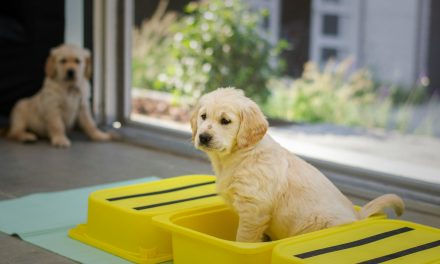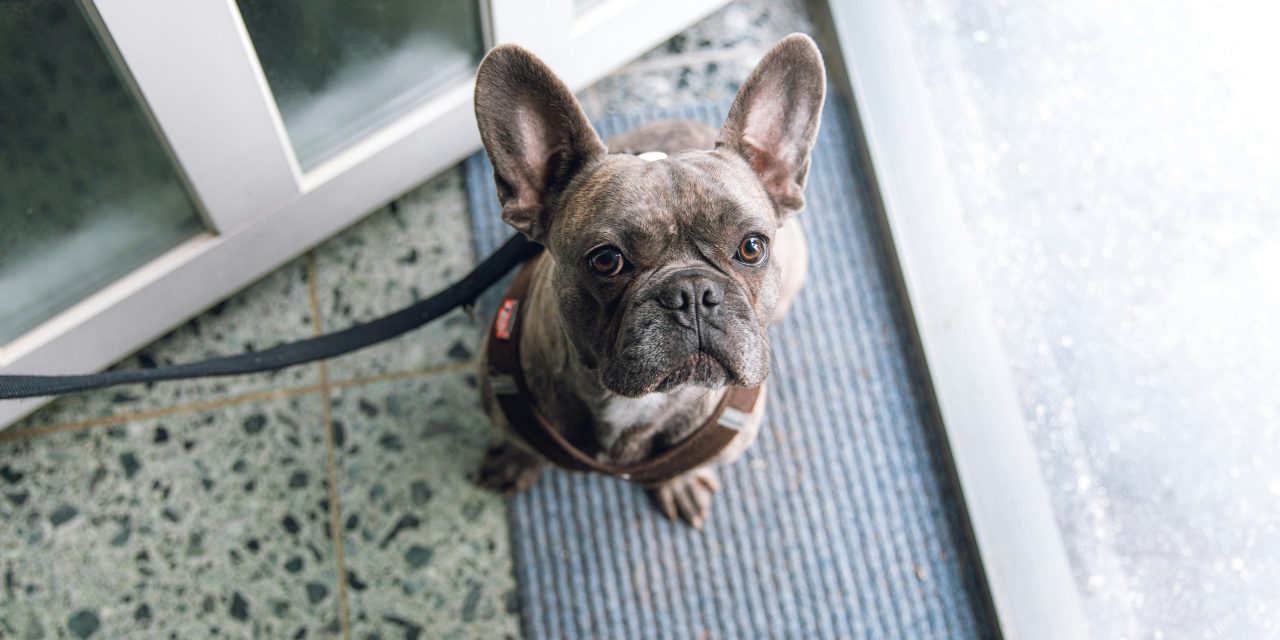
Mat training is an essential component of canine education that fosters a sense of security and discipline in dogs. This technique not only provides a designated space for your pet to relax but also serves as a valuable tool for managing behavior in various situations. By teaching your dog to associate a specific mat with calmness and relaxation, you can effectively reduce anxiety and promote good manners in public settings. This training method is particularly beneficial for dogs that exhibit hyperactive tendencies or struggle with impulse control.
Moreover, mat training can significantly enhance the bond between you and your canine companion. It encourages communication and understanding, allowing your dog to learn boundaries while feeling secure in their environment. The mat becomes a safe haven, reinforcing the idea that it is a place for rest and tranquility. This training approach can be especially advantageous in households with multiple pets or young children, as it helps establish a structured routine that benefits everyone involved.
Choosing the Right Mat for Your Dog
Selecting an appropriate mat is crucial for successful mat training. The ideal mat should be comfortable, durable, and easy to clean. Consider materials that are non-toxic and hypoallergenic, ensuring your dog’s safety and comfort. Options such as orthopedic mats or those made from memory foam can provide additional support for older dogs or those with joint issues. The size of the mat should also be taken into account; it should be large enough for your dog to lie down comfortably but not so large that it overwhelms the space.
Additionally, consider the mat’s texture and design. Some dogs may prefer a softer surface, while others might enjoy a firmer feel. A mat with a non-slip bottom is essential to prevent accidents during training sessions. Furthermore, choosing a color or pattern that complements your home decor can make the mat more visually appealing while still serving its functional purpose. Ultimately, the right mat will contribute to your dog’s willingness to engage in training and relaxation.
Preparing the Training Environment

Creating an optimal training environment is vital for effective mat training. Begin by selecting a quiet area in your home where distractions are minimal. This space should be free from loud noises, other pets, or any interruptions that could divert your dog’s attention. A calm atmosphere will help your dog focus on the training process and associate the mat with positive experiences.
In addition to minimizing distractions, consider incorporating familiar scents and items into the training area. Placing your dog’s favorite toys or blankets near the mat can create a sense of comfort and security. Ensure that the area is well-lit and spacious enough for your dog to move around freely without feeling confined. By establishing a conducive environment, you set the stage for successful mat training sessions that promote learning and relaxation.
Introducing Your Dog to the Mat

The introduction phase is critical in mat training, as it lays the foundation for your dog’s understanding of the mat’s purpose. Begin by allowing your dog to explore the mat at their own pace. Encourage curiosity by using treats or toys to entice them onto the mat. Once your dog steps onto the mat, offer praise and rewards to reinforce this positive behavior.
It is essential to remain patient during this phase, as some dogs may be hesitant or unsure about stepping onto the mat initially. If your dog appears anxious or reluctant, consider using a familiar item, such as a blanket or toy, to create a more inviting atmosphere. Gradually increase their exposure to the mat by encouraging short visits before extending their time on it. This gentle introduction will help build confidence and familiarity with the mat.
Using Positive Reinforcement Techniques
Positive reinforcement is a cornerstone of effective dog training, particularly in mat training. This technique involves rewarding desired behaviors with treats, praise, or playtime, thereby encouraging your dog to repeat those behaviors in the future. When your dog successfully approaches or lies down on the mat, immediately provide a reward to reinforce this action.
Consistency is key when employing positive reinforcement techniques. Use the same verbal cues and rewards each time your dog interacts with the mat to create clear associations between their actions and the rewards they receive. Over time, your dog will learn that being on the mat leads to positive outcomes, making them more likely to seek out this space voluntarily.
Teaching the “Go to Mat” Command
Once your dog is comfortable with the mat, it’s time to introduce the “Go to Mat” command. Begin by standing near the mat and using a clear verbal cue, such as “Go to Mat,” while gesturing towards it. If your dog approaches the mat, reward them immediately with praise or treats. Repeat this process several times until your dog consistently responds to the command.
To reinforce this behavior further, gradually increase the distance between yourself and the mat when giving the command. This will help your dog learn to respond even when they are not directly next to you. Consistent practice will solidify their understanding of the command and encourage them to seek out the mat independently when prompted.
Encouraging Calm Behavior on the Mat
Encouraging calm behavior on the mat is essential for successful training outcomes. Once your dog is familiar with going to the mat on command, focus on teaching them to remain calm while there. Start by rewarding them for lying down quietly on the mat for short periods. Gradually increase the duration of time they are expected to stay calm before offering rewards.
If your dog becomes restless or fidgety while on the mat, gently redirect their attention back to a relaxed position using verbal cues or treats. Consistently reinforcing calm behavior will help establish a strong association between being on the mat and relaxation. Over time, your dog will learn to view their designated space as a place of peace and tranquility.
Gradually Increasing Duration and Distractions
As your dog becomes more comfortable with staying on the mat, it’s important to gradually increase both the duration of their stay and introduce distractions. Start by extending the time they remain on the mat before receiving a reward. This will help build their patience and self-control.
Once your dog can stay calmly on the mat for longer periods, begin introducing distractions such as noise from television or other pets moving around in the house. Initially, keep distractions minimal and gradually increase their intensity as your dog becomes more adept at maintaining focus on their task. Rewarding them for remaining calm amidst distractions will reinforce their ability to stay composed in various environments.
Troubleshooting Common Challenges
Throughout the mat training process, you may encounter challenges that require troubleshooting. One common issue is a dog’s reluctance to approach or stay on the mat. If this occurs, revisit earlier steps in training by reintroducing treats or toys to entice them onto the mat again. Ensure that you are using positive reinforcement consistently and avoid any negative reactions that could create anxiety.
Another challenge may arise when dogs become overly excited or restless while on the mat. In such cases, consider shortening training sessions or increasing exercise before training to help expend excess energy. If distractions prove too overwhelming for your dog, take a step back and practice in quieter environments before gradually reintroducing distractions.
Incorporating Mat Training into Daily Routine
Integrating mat training into your dog’s daily routine can enhance its effectiveness and reinforce learned behaviors over time. Designate specific times throughout the day for short training sessions focused on going to the mat and practicing calm behavior. Incorporate these sessions into activities such as mealtime or playtime to create positive associations with being on the mat.
Additionally, encourage your dog to use their mat during downtime or when guests arrive at your home. By consistently reinforcing this behavior in various contexts, you help solidify their understanding of when and where they should go to relax.
Celebrating Success and Maintaining the Habit
Celebrating successes during mat training is crucial for maintaining motivation for both you and your dog. Acknowledge milestones achieved throughout training by offering praise, treats, or special playtime sessions when they successfully follow commands related to their mat behavior.
To maintain this habit long-term, continue incorporating mat training into daily routines even after initial goals have been met. Regularly practicing commands associated with going to the mat will ensure that your dog remains familiar with expectations over time.
In summary, effective mat training involves understanding its importance, selecting an appropriate mat, preparing an optimal environment, introducing commands gradually while using positive reinforcement techniques, encouraging calm behavior amidst distractions, troubleshooting challenges effectively, incorporating training into daily routines, and celebrating successes along the way. By following these steps diligently, you can foster a well-behaved canine companion who views their designated space as a sanctuary of calmness and relaxation.
FAQs
What is the purpose of teaching a dog to settle on a mat?
Teaching a dog to settle on a mat helps create a designated space for them to relax and feel secure. This can be beneficial in various situations, such as during meal times, when guests arrive, or when you need your dog to be calm and out of the way. It promotes good behavior and can reduce anxiety in dogs.
What materials do I need to teach my dog to settle on a mat?
To teach your dog to settle on a mat, you will need a comfortable mat or blanket that is large enough for your dog to lie on. Additionally, treats or a favorite toy can be helpful for positive reinforcement during training sessions. A clicker can also be used if you are employing clicker training techniques.
How long does it typically take to teach a dog to settle on a mat?
The time it takes to teach a dog to settle on a mat can vary widely depending on the dog’s age, temperament, and previous training experience. Generally, with consistent practice and positive reinforcement, most dogs can learn to settle on a mat within a few days to a couple of weeks.
What training techniques are effective for teaching a dog to settle on a mat?
Effective training techniques include using positive reinforcement, such as treats or praise, when your dog goes to the mat. You can start by luring your dog to the mat with a treat, rewarding them when they step on it, and gradually increasing the duration they stay on the mat before receiving a reward. Consistency and patience are key to success.
Can all dogs learn to settle on a mat?
Yes, most dogs can learn to settle on a mat, regardless of breed or age. However, some dogs may require more time and patience than others, especially if they have high energy levels or anxiety issues. Tailoring the training approach to suit your dog’s individual needs can enhance their learning experience.