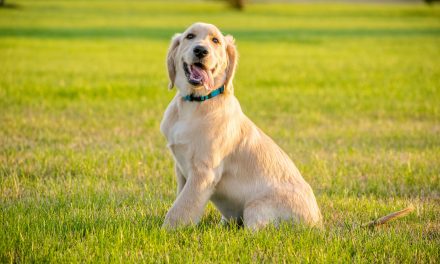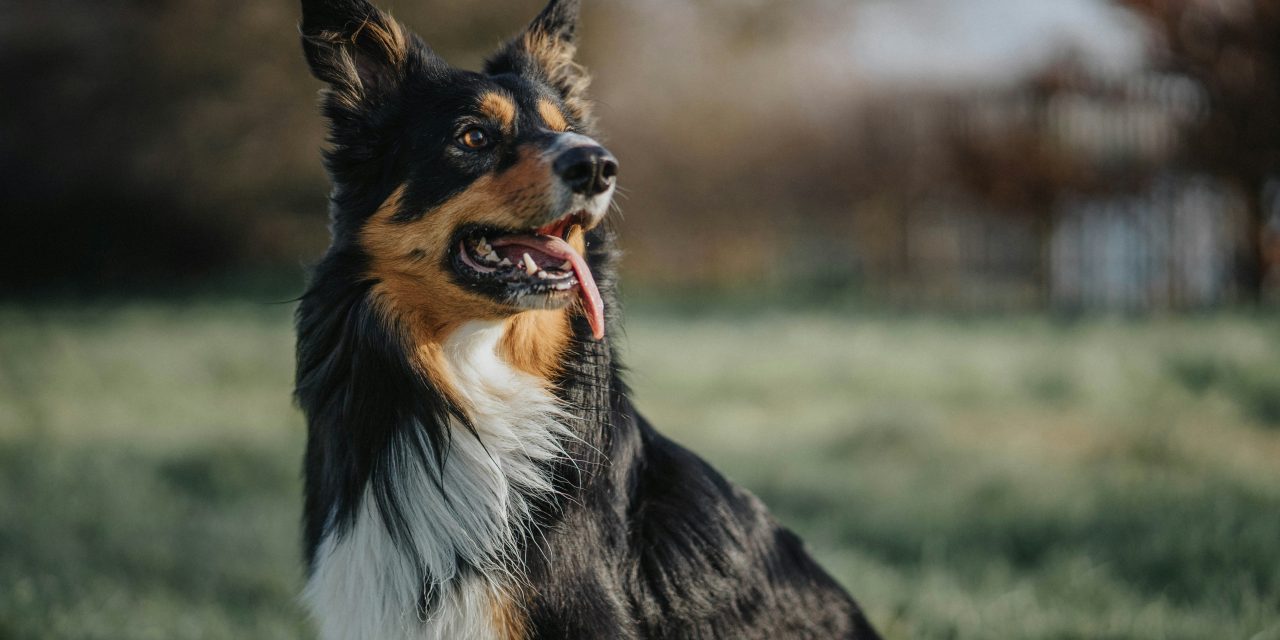
Panting is a common physiological response observed in canines, serving as a mechanism for thermoregulation and emotional expression. In a typical scenario, dogs may pant after vigorous exercise, during hot weather, or when they are excited. Normal panting is characterized by a steady rhythm, with the dog appearing relaxed and comfortable. It is essential to recognize that panting can vary significantly among breeds, sizes, and individual temperaments. For instance, brachycephalic breeds such as Bulldogs and Pugs may exhibit more pronounced panting due to their anatomical structure, which can impede airflow.
Normal panting should not be accompanied by distress signals such as whining, pacing, or excessive drooling. A dog that is panting lightly while resting after play is likely in a state of normalcy. However, if the panting persists beyond a reasonable duration or occurs without an apparent trigger, it may warrant further investigation. Understanding the baseline behavior of your dog is crucial for identifying deviations that could indicate underlying health issues.
The Physiology Behind Panting in Dogs
Panting serves as an essential thermoregulatory mechanism in dogs, allowing them to maintain their core body temperature within a safe range. Unlike humans, who primarily sweat to cool down, dogs rely on panting to facilitate evaporative cooling. When a dog pants, rapid inhalation and exhalation increase airflow over the moist surfaces of the tongue and respiratory tract, promoting heat dissipation through evaporation.
The respiratory rate during panting can increase significantly, sometimes reaching up to 300 breaths per minute compared to the normal resting rate of 10 to 30 breaths per minute. This physiological response is controlled by the hypothalamus, which detects changes in body temperature and triggers the panting reflex. Additionally, panting can also serve as a behavioral response to stress or excitement, further complicating its interpretation.
Common Reasons for Increased Panting

Increased panting can arise from various benign and concerning factors. One of the most common reasons is environmental heat; dogs are particularly susceptible to overheating due to their fur coats and limited ability to sweat. During hot weather or after strenuous activity, dogs may pant excessively as they attempt to cool down.
Another frequent cause of increased panting is anxiety or stress. Situations such as thunderstorms, fireworks, or separation from their owners can trigger heightened emotional responses in dogs, leading to excessive panting. Additionally, certain medical conditions such as pain, fever, or respiratory disorders can also manifest as increased panting. It is vital for pet owners to observe their dog’s behavior closely and consider the context in which the panting occurs.
When Is Panting a Sign of Heat Stress or Overheating?

Heat stress is a serious condition that can arise when a dog’s body temperature exceeds safe limits, typically above 104°F (40°C). Signs of heat stress often include excessive panting that appears frantic or labored, drooling, weakness, and disorientation. In severe cases, dogs may experience collapse or seizures due to heatstroke.
To prevent heat stress, it is crucial for pet owners to monitor their dogs closely during hot weather or after exercise. Providing access to fresh water and shaded areas can help mitigate the risk of overheating. If a dog exhibits signs of heat stress, immediate action is necessary; moving them to a cooler environment and applying cool (not cold) water to their body can help lower their temperature.
Panting and Anxiety: How Stress Affects Your Dog
Anxiety in dogs can manifest in various ways, with panting being one of the most noticeable symptoms. Stressful situations such as loud noises, unfamiliar environments, or changes in routine can trigger an anxious response in dogs. This type of panting is often accompanied by other signs of distress such as pacing, whining, or hiding.
Understanding the root cause of anxiety is essential for effective management. Behavioral modification techniques, such as desensitization and counter-conditioning, can help alleviate anxiety-related panting over time. Additionally, providing a safe space for your dog during stressful events can significantly reduce their anxiety levels.
Medical Conditions That Cause Excessive Panting
Excessive panting can be indicative of various underlying medical conditions that require veterinary attention. Conditions such as heart disease, respiratory disorders (e.g., pneumonia or bronchitis), and metabolic disorders (e.g., Cushing’s disease) can lead to increased respiratory effort and panting.
For instance, congestive heart failure may cause fluid accumulation in the lungs, resulting in labored breathing and excessive panting even at rest. Similarly, conditions affecting the lungs or airways can impede normal respiration and lead to compensatory panting. If excessive panting persists despite environmental adjustments or behavioral interventions, it is crucial to consult a veterinarian for a thorough examination and diagnostic testing.
Recognizing Dangerous Signs Accompanying Panting
While panting can be a normal behavior in dogs, certain accompanying signs may indicate a more serious issue requiring immediate attention. Symptoms such as lethargy, vomiting, diarrhea, or difficulty breathing alongside excessive panting should raise red flags for pet owners.
Additionally, if a dog exhibits signs of confusion or disorientation while panting excessively, it may indicate a medical emergency such as heatstroke or respiratory distress. Recognizing these dangerous signs early can be life-saving; prompt veterinary intervention is critical in these situations.
How to Differentiate Normal Panting from Emergency Situations
Differentiating between normal and emergency panting involves careful observation of your dog’s overall demeanor and accompanying symptoms. Normal panting typically occurs after exercise or during warm weather and is characterized by a relaxed posture and absence of distress signals.
In contrast, emergency situations often present with rapid or labored breathing patterns accompanied by signs of distress such as whining or pacing. If your dog appears restless or agitated while panting excessively without an apparent cause, it may indicate an underlying health issue that requires immediate veterinary evaluation.
First Aid Tips for Dogs Panting Excessively
If you find your dog panting excessively due to heat stress or anxiety, there are several first aid measures you can take before seeking veterinary assistance. First and foremost, move your dog to a cooler environment away from direct sunlight. Providing fresh water is essential; encourage your dog to drink small amounts frequently.
Applying cool (not cold) water to your dog’s body can help lower their temperature effectively. Focus on areas with less fur such as the belly and paw pads for optimal cooling. If your dog shows signs of distress or does not improve within 10-15 minutes, seek veterinary care immediately.
When to Consult Your Veterinarian About Panting
Consultation with a veterinarian is warranted when excessive panting persists despite environmental adjustments or behavioral interventions. If your dog exhibits any concerning symptoms alongside panting—such as lethargy, vomiting, diarrhea, or difficulty breathing—immediate veterinary attention is crucial.
Additionally, if you notice changes in your dog’s appetite or drinking habits alongside excessive panting, it may indicate an underlying health issue that requires diagnostic evaluation. Regular veterinary check-ups are essential for maintaining your dog’s overall health and addressing any potential concerns early on.
Preventative Measures to Reduce Excessive Panting in Dogs
Preventative measures play a vital role in minimizing excessive panting in dogs. Ensuring your dog has access to fresh water at all times is fundamental for hydration and thermoregulation. During hot weather or after exercise, provide shaded areas for rest and avoid strenuous activities during peak heat hours.
Behavioral training techniques can also help reduce anxiety-related panting. Gradual exposure to stressors combined with positive reinforcement can help desensitize your dog over time. Additionally, consider consulting with a professional dog trainer or animal behaviorist if anxiety persists despite your efforts.
In conclusion, understanding the nuances of dog panting is essential for pet owners seeking to ensure their canine companions’ well-being. By recognizing normal versus abnormal behaviors and implementing preventative measures, you can contribute significantly to your dog’s health and happiness. Regular veterinary check-ups will further enhance your ability to detect potential issues early on and provide appropriate care when necessary.
FAQs
What are normal reasons for a dog to pant?
Dogs may pant for several normal reasons, including heat regulation, excitement, or after physical exertion. Panting helps dogs cool down since they do not sweat like humans. It can also occur when they are anxious or stressed, such as during thunderstorms or fireworks.
When should I be concerned about my dog’s panting?
If your dog’s panting is excessive, persistent, or accompanied by other symptoms such as lethargy, vomiting, or difficulty breathing, it may indicate an underlying health issue. Conditions like heart disease, respiratory problems, or heatstroke can cause abnormal panting and require veterinary attention.
How can I tell if my dog’s panting is a sign of heatstroke?
Signs of heatstroke in dogs include excessive panting, drooling, rapid heart rate, weakness, confusion, and even collapse. If your dog is panting heavily and shows any of these symptoms, it is crucial to cool them down immediately and seek veterinary care.
Can certain breeds be more prone to excessive panting?
Yes, certain breeds, particularly brachycephalic breeds like Bulldogs and Pugs, are more prone to excessive panting due to their short snouts, which can lead to breathing difficulties. These breeds may pant more frequently, especially in hot weather or during physical activity.
What should I do if my dog’s panting seems abnormal?
If you notice that your dog’s panting seems abnormal, it is best to consult your veterinarian. They can perform a thorough examination to determine if there are any underlying health issues that need to be addressed and provide guidance on how to manage your dog’s condition.