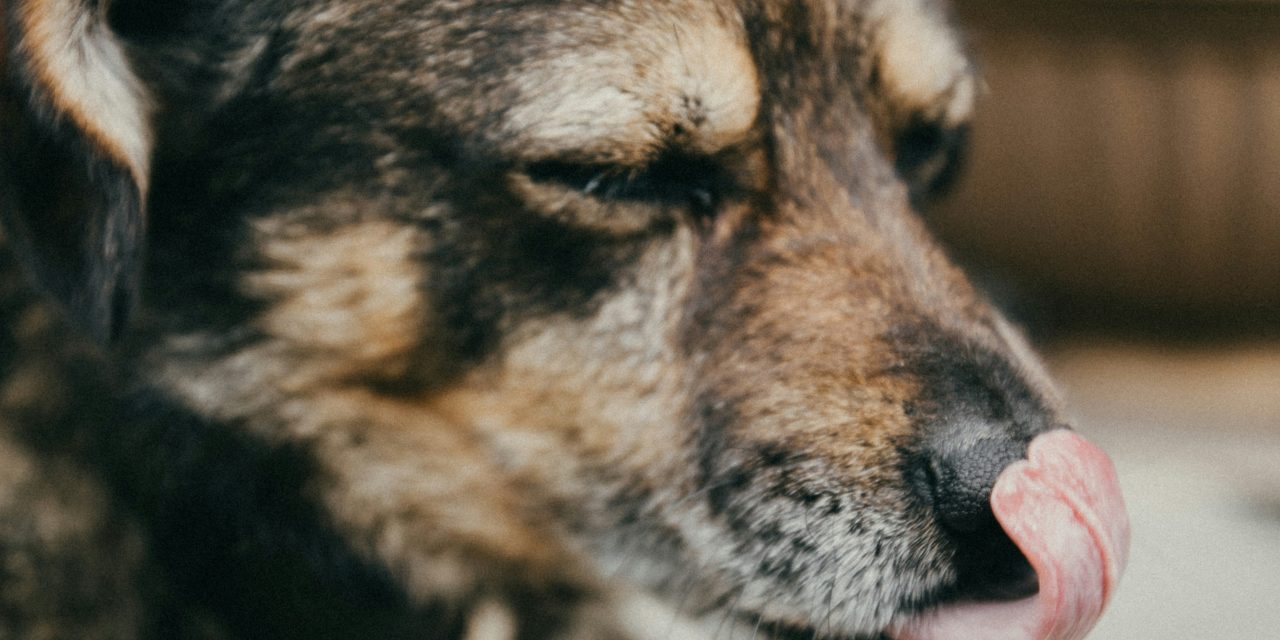
Yellow foam vomit in dogs is a concerning symptom that pet owners may encounter. This type of vomiting can be alarming, as it often indicates underlying health issues that require attention. The vomit itself typically appears as a frothy, yellowish substance, which can be unsettling to observe. Understanding the nature of this symptom is crucial for pet owners, as it can provide insights into their dog’s health status and potential medical needs.
The presence of yellow foam in vomit is primarily associated with the dog’s gastrointestinal system. Vomiting is a natural reflex that occurs when the body needs to expel harmful substances or irritants from the stomach. However, when the vomit is characterized by a yellow foam, it often signifies that bile is present. Bile is a digestive fluid produced by the liver and stored in the gallbladder, playing a vital role in fat digestion. The appearance of bile in vomit can indicate various health issues that may require veterinary intervention.
What Does Yellow Foam Indicate?
The presence of yellow foam in a dog’s vomit can indicate several underlying conditions, ranging from benign to serious. One of the primary implications of yellow foam is the involvement of bile, which suggests that the stomach is empty and the dog is regurgitating digestive fluids. This can occur due to various reasons, including dietary indiscretion or gastrointestinal disturbances.
In some cases, yellow foam vomit may signal more severe health concerns such as pancreatitis, liver disease, or gastrointestinal obstruction. These conditions can lead to inflammation or irritation of the gastrointestinal tract, prompting the body to expel contents through vomiting. Therefore, while occasional yellow foam vomiting may not be alarming, persistent occurrences warrant further investigation to rule out serious health issues.
Common Causes of Yellow Foam Vomiting

Several factors can contribute to the occurrence of yellow foam vomiting in dogs. One common cause is an empty stomach, which can lead to the regurgitation of bile. Dogs that go too long between meals may experience this phenomenon, particularly if they are prone to nausea or have sensitive stomachs. Feeding smaller, more frequent meals can help mitigate this issue.
Another prevalent cause is dietary indiscretion, where dogs consume inappropriate items such as spoiled food, garbage, or foreign objects. This can irritate the gastrointestinal tract and lead to vomiting. Additionally, certain infections or parasites can disrupt normal digestive processes, resulting in yellow foam vomit. Identifying these triggers is essential for effective management and prevention.
The Role of Bile in Canine Vomiting

Bile plays a crucial role in digestion and is produced by the liver. It aids in breaking down fats and absorbing fat-soluble vitamins. When a dog vomits yellow foam, it often indicates that bile has been expelled from the stomach. This can occur when the stomach is empty for an extended period or when there is irritation within the gastrointestinal tract.
The presence of bile in vomit can also suggest underlying health issues such as cholestasis or liver dysfunction. In these cases, bile may not be adequately processed or released into the intestines, leading to its accumulation and subsequent vomiting. Understanding the role of bile in canine vomiting helps pet owners recognize when further evaluation by a veterinarian is necessary.
Dietary Factors Leading to Yellow Foam Vomit
Dietary factors are significant contributors to yellow foam vomiting in dogs. A sudden change in diet or the introduction of new foods can upset a dog’s digestive system, leading to gastrointestinal disturbances. Additionally, low-quality commercial dog foods that contain fillers or artificial additives may not provide adequate nutrition and can result in vomiting.
Food allergies or intolerances can also play a role in this condition. Dogs may react adversely to specific ingredients, leading to inflammation and irritation of the gastrointestinal tract. Identifying and eliminating problematic foods from a dog’s diet can help alleviate symptoms and prevent future occurrences of yellow foam vomiting.
Gastrointestinal Issues Behind Yellow Foam
Various gastrointestinal issues can lead to yellow foam vomiting in dogs. Conditions such as gastritis, which involves inflammation of the stomach lining, can cause nausea and vomiting. Similarly, inflammatory bowel disease (IBD) can disrupt normal digestive processes and result in vomiting episodes characterized by yellow foam.
Obstructions within the gastrointestinal tract can also lead to vomiting as the body attempts to expel contents that cannot pass through. This may occur due to foreign objects ingested by the dog or tumors affecting the digestive system. Recognizing these potential issues is vital for timely intervention and treatment.
When Is Yellow Foam Vomiting a Sign of Illness?
While occasional yellow foam vomiting may not be cause for alarm, persistent or severe episodes should raise concern among pet owners. If a dog exhibits repeated vomiting accompanied by lethargy, diarrhea, or loss of appetite, it may indicate an underlying illness that requires veterinary attention.
Additionally, if the vomit contains blood or has an unusual odor, it could signify more serious conditions such as gastrointestinal bleeding or infection. Monitoring your dog’s overall behavior and health status is essential for determining when veterinary intervention is necessary.
Dehydration and Its Impact on Vomiting
Dehydration is a significant concern for dogs experiencing vomiting episodes, particularly if they are unable to retain fluids. Vomiting can lead to fluid loss and electrolyte imbalances, which can exacerbate health issues and complicate recovery. Signs of dehydration include dry gums, excessive thirst, lethargy, and decreased skin elasticity.
To mitigate dehydration risks, it is crucial to ensure that dogs have access to fresh water at all times. In cases where vomiting persists, veterinary intervention may be necessary to provide intravenous fluids and restore hydration levels effectively.
Other Symptoms to Watch Alongside Yellow Foam Vomit
When monitoring a dog for yellow foam vomiting, it is essential to observe other accompanying symptoms that may provide insight into their overall health status. Symptoms such as diarrhea, abdominal pain, bloating, or changes in behavior can indicate underlying gastrointestinal issues or systemic illness.
Additionally, signs of distress such as excessive panting, whining, or restlessness should not be overlooked. These symptoms may suggest discomfort or pain that requires immediate veterinary evaluation.
When to See a Veterinarian
Pet owners should seek veterinary care if their dog experiences persistent yellow foam vomiting lasting more than 24 hours or if it occurs alongside other concerning symptoms such as lethargy or diarrhea. Immediate attention is warranted if there are signs of dehydration or if the vomit contains blood.
Veterinarians will conduct a thorough examination and may recommend diagnostic tests such as blood work or imaging studies to determine the underlying cause of vomiting. Early intervention can significantly improve outcomes and prevent complications.
Preventive Measures and Home Care Tips
Preventing yellow foam vomiting involves several proactive measures that pet owners can implement at home. Maintaining a consistent feeding schedule with high-quality dog food can help regulate digestion and minimize gastrointestinal disturbances. Avoiding sudden dietary changes and introducing new foods gradually can also reduce the risk of upset stomachs.
Regular veterinary check-ups are essential for monitoring your dog’s overall health and addressing any potential issues before they escalate. Additionally, ensuring that your dog does not have access to harmful substances or foreign objects can prevent dietary indiscretion and subsequent vomiting episodes.
In conclusion, understanding yellow foam vomit in dogs is crucial for pet owners seeking to maintain their canine companions’ health. By recognizing potential causes and symptoms associated with this condition, owners can take appropriate action when necessary and implement preventive measures to promote overall well-being. Regular veterinary care and attention to dietary factors play vital roles in ensuring a healthy digestive system for dogs.
FAQs
What does it mean when my dog vomits yellow foam?
When a dog vomits yellow foam, it typically indicates that the stomach is empty and the dog is expelling bile. Bile is a digestive fluid produced by the liver and stored in the gallbladder, and it can appear yellow or greenish in color. This can happen if a dog hasn’t eaten for a while or has an upset stomach.
What are some common causes of yellow foam vomiting in dogs?
Common causes of yellow foam vomiting in dogs include dietary indiscretion (eating something they shouldn’t), an empty stomach, gastrointestinal issues such as gastritis or pancreatitis, infections, or even stress and anxiety. It’s important to monitor your dog’s behavior and health to determine the underlying cause.
Should I be concerned if my dog vomits yellow foam?
Occasional vomiting of yellow foam may not be a cause for concern, especially if your dog seems otherwise healthy. However, if the vomiting persists, is accompanied by other symptoms (such as lethargy, diarrhea, or loss of appetite), or if your dog is a puppy or has pre-existing health conditions, you should consult a veterinarian.
How can I help my dog if they are vomiting yellow foam?
If your dog is vomiting yellow foam, you can help by ensuring they have access to fresh water to stay hydrated. Withhold food for a few hours to allow their stomach to settle, then gradually reintroduce a bland diet, such as boiled chicken and rice. If vomiting continues or worsens, seek veterinary advice.
When should I take my dog to the vet for vomiting yellow foam?
You should take your dog to the vet if they vomit yellow foam repeatedly, show signs of distress, have blood in their vomit, exhibit lethargy, or experience other concerning symptoms. Prompt veterinary attention is crucial for diagnosing and treating any underlying health issues.