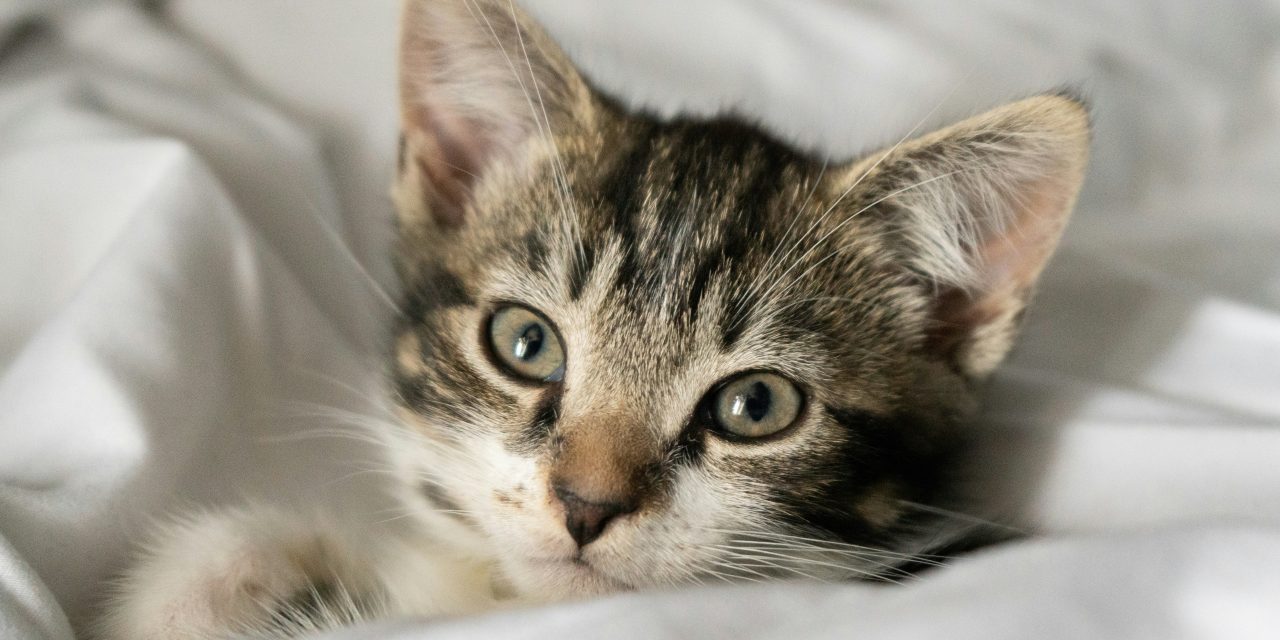
Shy rescue kittens often come from backgrounds that have exposed them to trauma, neglect, or insufficient socialization. These experiences can lead to heightened anxiety and fearfulness in new environments. Understanding the psychological and emotional state of these felines is crucial for their successful integration into a loving home. Kittens are particularly impressionable during their early developmental stages, typically between two to nine weeks of age. During this period, they learn vital social skills from their mother and littermates. If they miss out on this critical socialization window, they may exhibit timid behaviors that persist into adulthood.
Recognizing the signs of shyness in kittens is essential for caregivers. Common indicators include hiding, avoidance of eye contact, and reluctance to engage with humans or other pets. These behaviors stem from a natural instinct to protect themselves from perceived threats. It is important to approach these kittens with empathy and patience, as their timid nature is not a reflection of their potential for affection and companionship. With the right environment and care, shy rescue kittens can blossom into loving pets.
Preparing a Quiet and Cozy Space
Creating a serene and inviting environment is paramount for shy rescue kittens. A designated quiet space should be established where the kitten can feel secure and comfortable. This area should be away from the hustle and bustle of daily household activities, providing a sanctuary where the kitten can acclimate at its own pace. Soft bedding, such as fleece blankets or plush cushions, can enhance the coziness of this space, making it an appealing retreat.
In addition to comfort, the space should be equipped with essential resources such as food and water bowls, a litter box, and toys. The litter box should be easily accessible yet discreetly placed to avoid overwhelming the kitten. It is advisable to use unscented litter to minimize any potential aversion. By ensuring that all necessities are within reach, caregivers can help foster a sense of security and stability for the shy kitten.
Introducing the Kitten Gradually to Its New Environment

The introduction process for a shy rescue kitten should be gradual and methodical. Rushing this phase can lead to increased anxiety and stress for the animal. Initially, allow the kitten to explore its designated space without interference. This exploration is crucial for building confidence and familiarity with its surroundings. Caregivers should refrain from forcing interactions during this time; instead, they should observe from a distance, allowing the kitten to approach when it feels ready.
Once the kitten appears comfortable in its initial space, caregivers can slowly introduce it to other areas of the home. This can be done by allowing short visits to adjacent rooms while ensuring that the kitten has a safe retreat available at all times. Gradual exposure helps the kitten acclimate to new sights, sounds, and smells without feeling overwhelmed. Each successful exploration can reinforce positive associations with its new environment.
Using Gentle and Calm Body Language

Effective communication with shy rescue kittens hinges on the use of gentle and calm body language. Kittens are highly perceptive creatures; they can easily pick up on human emotions and physical cues. Caregivers should adopt a relaxed posture, avoiding sudden movements or loud voices that may startle the kitten. Crouching down to the kitten’s level can also create a more inviting atmosphere, making it feel less threatened.
Additionally, caregivers should utilize slow hand movements when attempting to interact with the kitten. Offering an outstretched hand allows the kitten to approach at its own pace, fostering trust and reducing fear. Soft vocalizations, such as soothing tones or gentle cooing, can further enhance feelings of safety. By consistently employing calm body language, caregivers can create an environment conducive to building a strong bond with their shy feline companion.
Establishing a Consistent Daily Routine
Establishing a consistent daily routine is vital for shy rescue kittens as it provides structure and predictability in their lives. Routine helps alleviate anxiety by allowing the kitten to anticipate daily activities such as feeding times, play sessions, and litter box maintenance. Caregivers should aim to feed the kitten at the same times each day while ensuring that fresh water is always available.
Incorporating regular playtime into the routine is equally important for mental stimulation and physical exercise. Engaging in interactive play sessions using feather wands or laser pointers can help build confidence while providing an outlet for pent-up energy. By adhering to a consistent schedule, caregivers can foster a sense of security that encourages the shy kitten to explore its surroundings more freely.
Providing Safe Hiding Spots and Vertical Perches
Creating safe hiding spots is essential for shy rescue kittens as it allows them to retreat when feeling overwhelmed or anxious. Cardboard boxes, cat trees with enclosed spaces, or even blankets draped over furniture can serve as effective hiding spots where kittens can feel secure. These areas provide a sense of safety while allowing them to observe their environment from a distance.
Vertical perches are equally beneficial for shy kittens as they offer an elevated vantage point from which they can survey their surroundings without feeling threatened. Cat trees or shelves installed at various heights can encourage climbing behavior while providing an escape route if needed. By incorporating both hiding spots and vertical spaces into the environment, caregivers can empower shy kittens to explore their surroundings at their own pace.
Encouraging Positive Interaction with Toys and Treats
Positive reinforcement plays a crucial role in encouraging interaction with shy rescue kittens. Engaging them with toys that stimulate their natural hunting instincts can help build confidence while fostering positive associations with human interaction. Toys such as feather wands or interactive puzzle feeders can provide mental stimulation while encouraging playful behavior.
Treats also serve as an effective tool for building trust and encouraging interaction. Offering small, tasty treats during playtime or when the kitten approaches can reinforce positive behavior and create a rewarding experience. Caregivers should ensure that treats are appropriate for kittens and offered in moderation to maintain a balanced diet. By combining toys and treats in interactions, caregivers can create enjoyable experiences that promote bonding.
Avoiding Overwhelming Stimuli and Loud Noises
Shy rescue kittens are particularly sensitive to overwhelming stimuli and loud noises, which can exacerbate their anxiety levels. It is essential for caregivers to minimize exposure to sudden sounds such as loud music, vacuum cleaners, or shouting within the household. Creating a calm atmosphere will help foster feelings of safety and security for the timid feline.
When introducing new experiences or visitors into the home, caregivers should do so gradually and thoughtfully. Allowing the kitten to observe new people or situations from a distance before engaging directly can help reduce stress levels. By being mindful of environmental factors that may overwhelm the kitten, caregivers can create a more peaceful living space conducive to building trust.
Building Trust Through Slow and Patient Handling
Building trust with shy rescue kittens requires patience and consistency in handling practices. Caregivers should approach handling sessions slowly, allowing the kitten to become accustomed to human touch gradually. Starting with gentle petting sessions while the kitten is in its safe space can help establish comfort with physical contact.
As trust develops, caregivers can gradually increase handling time while remaining attentive to the kitten’s body language. Signs of discomfort such as flattened ears or attempts to escape should be respected by giving the kitten space when needed. By fostering positive experiences during handling sessions, caregivers can strengthen their bond with the shy kitten over time.
Monitoring Health and Stress Signs Closely
Monitoring health and stress signs in shy rescue kittens is crucial for ensuring their well-being during the adjustment period. Common indicators of stress may include excessive hiding, changes in appetite, or alterations in litter box habits. Caregivers should remain vigilant for any signs of illness or distress that may require veterinary attention.
Regular veterinary check-ups are essential for assessing overall health and addressing any underlying medical issues that may contribute to anxiety or behavioral problems. Vaccinations, parasite control, and spaying/neutering are vital components of responsible pet ownership that contribute to long-term health outcomes for rescue kittens.
Seeking Professional Advice When Necessary
In some cases, seeking professional advice may be necessary for addressing persistent behavioral issues in shy rescue kittens. Consulting with a veterinarian or animal behaviorist can provide valuable insights into specific challenges faced by timid felines. These professionals can offer tailored strategies for improving socialization techniques or addressing underlying health concerns.
Additionally, if anxiety levels remain high despite implementing various strategies, discussing potential behavioral medications with a veterinarian may be warranted. Medications such as selective serotonin reuptake inhibitors (SSRIs) or anti-anxiety medications may be prescribed on a case-by-case basis to help alleviate severe anxiety symptoms in particularly fearful kittens.
In summary, integrating shy rescue kittens into loving homes requires understanding their unique needs and behaviors while providing a supportive environment conducive to building trust and confidence. By preparing a quiet space, introducing them gradually, using calm body language, establishing routines, providing safe spots, encouraging interaction through play and treats, avoiding overwhelming stimuli, monitoring health closely, and seeking professional advice when necessary, caregivers can help these timid felines thrive in their new surroundings. With patience and dedication, shy rescue kittens have the potential to transform into affectionate companions who enrich our lives immeasurably.
FAQs
What are the first steps to take when bringing a shy rescue kitten home?
When bringing a shy rescue kitten home, it’s important to create a safe and quiet environment. Start by setting up a designated space with a cozy bed, litter box, food, and water. Allow the kitten to explore this area at their own pace, and avoid overwhelming them with too much interaction initially. Patience is key, as they may need time to adjust to their new surroundings.
How can I help my shy kitten feel more comfortable in their new home?
To help your shy kitten feel more comfortable, provide hiding spots such as cardboard boxes or cat trees where they can retreat when feeling scared. Use soft, calming voices when speaking to them, and avoid sudden movements. Gradually introduce them to different areas of the home, allowing them to explore at their own pace while ensuring they feel secure.
What types of toys are best for shy kittens?
Shy kittens often benefit from interactive toys that encourage play without overwhelming them. Soft toys, feather wands, and laser pointers can stimulate their curiosity without causing stress. Additionally, puzzle toys that dispense treats can engage their minds and help build confidence as they learn to play.
How long does it typically take for a shy kitten to adjust to a new home?
The adjustment period for a shy kitten can vary widely, typically ranging from a few days to several weeks. Factors such as the kitten’s personality, past experiences, and the environment can influence this timeline. It’s essential to be patient and allow the kitten to acclimate at their own pace, providing reassurance and support throughout the process.
Should I consider adopting another pet to help my shy kitten feel more secure?
While having another pet can sometimes help a shy kitten feel more secure, it’s not always the best solution. Introducing a new pet can also create additional stress. It’s crucial to assess the shy kitten’s personality and comfort level before making this decision. If you do consider adopting another pet, ensure they are calm and friendly to avoid overwhelming the shy kitten.