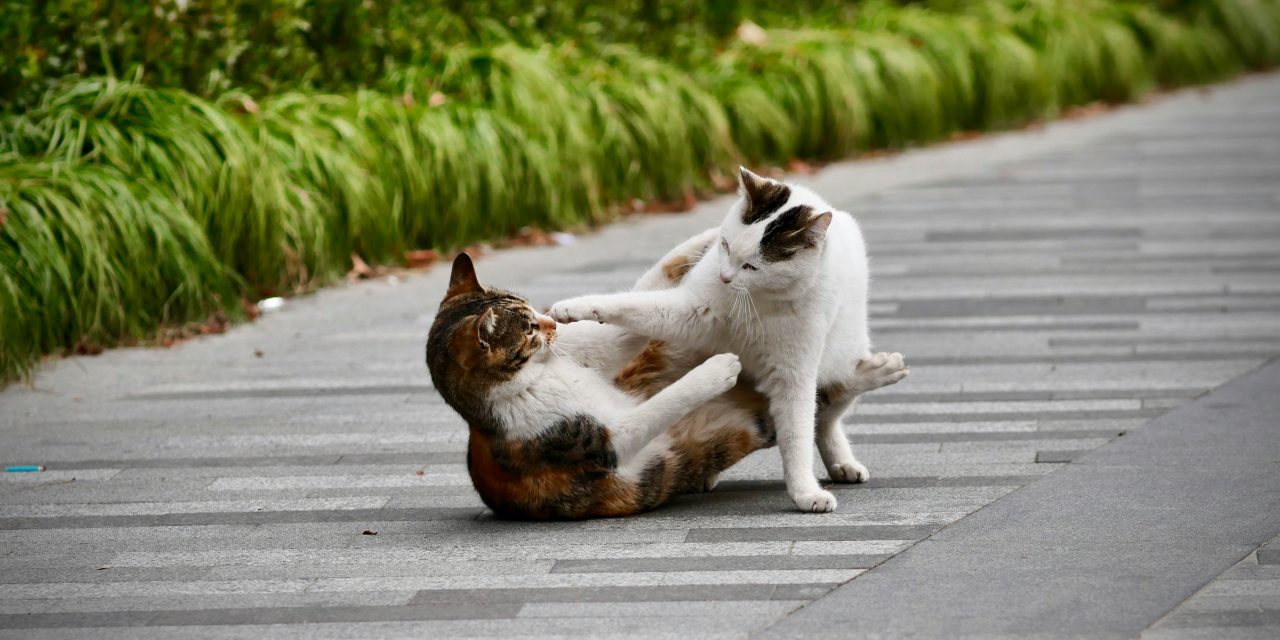
Understanding feline behavior is crucial for cat owners who wish to foster a harmonious environment for their pets. Cats are inherently playful creatures, and their playful antics often mimic predatory behaviors. However, distinguishing between play and aggression can be challenging. Play behavior is characterized by a series of rapid movements, pouncing, and mock fighting, which serve as an outlet for energy and a means of honing hunting skills. Conversely, aggression is typically marked by defensive postures, hissing, and swatting, indicating that a cat feels threatened or is asserting dominance.
Recognizing the nuances between these two behaviors is essential for ensuring the well-being of both the cat and its human companions. Playful interactions can enhance a cat’s physical health and mental stimulation, while aggression can lead to stress and injury. Understanding the context in which these behaviors occur allows owners to respond appropriately, fostering a safe and enriching environment for their feline friends.
Cats exhibit a variety of gestures and movements during play that are indicative of their playful nature. One of the most common behaviors is the “pounce,” where a cat crouches low to the ground before launching itself at an object or another cat. This behavior mimics hunting techniques and is often accompanied by rapid tail flicks and excited vocalizations. Additionally, cats may engage in “chasing,” where they dart after toys or other animals, showcasing their agility and speed.
Another playful gesture is “bunny kicking,” where a cat uses its hind legs to kick at an object while gripping it with its front paws. This behavior not only demonstrates their playful spirit but also serves as a way to practice their hunting skills. Furthermore, cats may exhibit “play fighting,” where they engage in mock battles with other cats or toys, using gentle bites and swats without causing harm. Recognizing these playful gestures can help owners provide appropriate toys and activities that cater to their cats’ natural instincts.
Recognizing Signs of True Fighting in Cats
While playful interactions can appear aggressive at times, true fighting among cats is characterized by specific signs that indicate genuine conflict. One of the most telling signs is the presence of prolonged hissing or growling, which serves as a warning signal to deter an opponent. Additionally, if a cat’s ears are pinned back against its head, this indicates fear or aggression rather than playfulness.
Physical confrontations during fights often involve swatting with claws extended, biting, and aggressive posturing. Unlike playful interactions, true fighting typically results in injuries such as scratches or bites. Observing these signs is crucial for cat owners to intervene promptly and prevent escalation into serious conflict. Understanding the difference between play and aggression can help owners manage their cats’ interactions more effectively.
Vocal Cues: When Meows Indicate Play or Conflict

Vocalizations are an essential aspect of feline communication, providing insight into a cat’s emotional state. Meows can vary significantly in tone, pitch, and frequency, indicating different intentions. During play, cats may produce high-pitched chirps or trills that convey excitement and engagement. These vocalizations often accompany playful gestures, signaling that the cat is in a lighthearted mood.
Conversely, when a cat feels threatened or is engaged in aggressive behavior, it may emit low growls or harsh yowls. These vocal cues serve as warnings to other animals or humans to back off. Understanding these vocalizations allows owners to gauge their cats’ moods accurately and respond accordingly. By paying attention to the context in which these sounds occur, owners can differentiate between playful interactions and potential conflicts.
Body Language Differences Between Play and Fight

Body language plays a pivotal role in understanding feline behavior, particularly when distinguishing between play and aggression. During play, a cat’s body is typically relaxed, with ears facing forward and eyes wide open. The tail may be held high or flicking gently, indicating excitement and engagement. In contrast, during aggressive encounters, a cat’s body language becomes tense; ears are flattened against the head, eyes may narrow, and the tail may puff up or lash back and forth.
Furthermore, playful cats often exhibit loose movements, darting around with agility and enthusiasm. In contrast, aggressive cats may adopt a more rigid stance, preparing for confrontation. Recognizing these subtle differences in body language can empower cat owners to intervene when necessary and promote positive interactions among their pets.
The Role of Tail Position in Cat Interactions
The position of a cat’s tail is a critical indicator of its emotional state and intentions during interactions with other cats or humans. A tail held high signifies confidence and contentment, often seen during playful moments when a cat is feeling secure in its environment. Conversely, a low-hanging tail may indicate submission or fear, while a puffed-up tail suggests agitation or aggression.
During playtime, cats may exhibit rapid tail movements, such as flicking or twitching, which signal excitement and engagement. In contrast, an aggressive cat may hold its tail stiffly while swatting at an opponent. Understanding these tail positions can help owners interpret their cats’ moods accurately and respond appropriately to ensure safe interactions.
How Cats Use Their Ears to Communicate Mood
Cats possess highly mobile ears that serve as vital tools for communication and mood expression. The position of a cat’s ears can reveal much about its emotional state during interactions with other animals or humans. Ears that are perked up and facing forward indicate curiosity or interest, often seen during playful moments when a cat is engaged in exploration or interaction.
Conversely, ears that are flattened against the head signal fear or aggression. This posture indicates that the cat feels threatened and may be preparing to defend itself. Additionally, ears that swivel independently can indicate heightened awareness of surroundings, suggesting that the cat is on alert for potential threats or opportunities for play. By observing ear positions alongside other body language cues, owners can gain valuable insights into their cats’ moods.
When to Intervene: Safety Tips for Cat Owners
Intervention during feline interactions is sometimes necessary to prevent escalation into aggression or injury. Owners should be vigilant for signs of distress or discomfort among their cats during playtime. If vocalizations become harsh or aggressive postures emerge—such as hissing or swatting—it’s essential to step in calmly to diffuse the situation.
Creating a safe environment involves providing ample space for each cat to retreat if needed and ensuring that there are enough resources—such as litter boxes, food bowls, and resting areas—to minimize competition. Additionally, using distraction techniques—such as tossing a toy away from the conflict—can redirect attention and help prevent further escalation.
The Importance of Socialization in Cat Play Behavior
Socialization plays a crucial role in shaping a cat’s play behavior and overall temperament. Kittens exposed to various stimuli—such as different environments, people, and other animals—during their critical developmental period (between 2 to 9 weeks of age) tend to develop healthier social skills as adults. Proper socialization helps kittens learn appropriate play behaviors and reduces the likelihood of aggressive tendencies later in life.
For adult cats, gradual introductions to new companions can facilitate positive interactions and reduce territorial disputes. Providing opportunities for supervised play sessions with other cats can enhance social skills while allowing them to express their natural instincts in a controlled environment.
How Age and Personality Affect Play and Fighting
Age and personality significantly influence how cats engage in play versus fighting behaviors. Kittens are naturally more playful due to their high energy levels and curiosity about their surroundings. They engage in frequent bouts of play fighting with littermates as they learn essential social skills through these interactions.
As cats mature into adulthood, their play behavior may decrease in frequency but can still be stimulated through interactive toys or structured playtime with their owners. Conversely, older cats may exhibit less tolerance for rough play due to physical limitations or health issues such as arthritis.
Personality traits also play a role; some cats are inherently more sociable and enjoy engaging with others through play, while others may be more solitary or territorial. Understanding these individual differences allows owners to tailor their approach to each cat’s unique needs.
Creating a Peaceful Environment to Reduce Cat Conflicts
Establishing a peaceful environment is paramount for reducing conflicts among multiple cats within a household. Providing separate resources—such as food bowls, litter boxes, scratching posts, and resting areas—can minimize competition and territorial disputes among feline companions.
Additionally, creating vertical spaces—such as shelves or cat trees—allows cats to establish their territories without direct confrontation on the ground level. Incorporating interactive toys that encourage independent play can also help alleviate boredom and reduce potential conflicts stemming from excess energy.
Regularly engaging with each cat through interactive play sessions fosters positive relationships while reinforcing social bonds among household members. By prioritizing environmental enrichment and individual attention, owners can create a harmonious atmosphere conducive to healthy feline interactions.
In summary, understanding feline behavior requires careful observation of various cues such as body language, vocalizations, tail position, and ear movements. Differentiating between playful antics and aggressive confrontations is essential for ensuring the safety and well-being of both cats and their human companions. By fostering socialization opportunities and creating an enriching environment tailored to each cat’s personality and age-related needs, owners can promote positive interactions while minimizing conflicts within multi-cat households.
FAQs
How can I tell if my cats are playing or fighting?
To determine if your cats are playing or fighting, observe their body language and vocalizations. Playful cats often exhibit relaxed postures, take turns chasing each other, and may engage in gentle biting or pawing. In contrast, fighting cats may have tense bodies, flattened ears, hissing, growling, and aggressive swatting. If the interaction escalates quickly and one cat appears distressed, it is likely a fight.
What are some signs of playful behavior in cats?
Signs of playful behavior in cats include pouncing, chasing, and batting at each other with soft paws. They may also engage in mock wrestling, take breaks to groom themselves, and exhibit playful vocalizations like chirps or trills. Additionally, playful cats often have their tails held high and may display a relaxed demeanor.
What should I do if I think my cats are fighting?
If you believe your cats are fighting, it’s important to intervene safely. Avoid using your hands to separate them, as this can lead to injury. Instead, use a loud noise, such as clapping or shaking a can of coins, to distract them. You can also try to separate them by placing a barrier, like a blanket or a piece of furniture, between them. After the incident, give them time apart to calm down.
Can cats play too rough with each other?
Yes, cats can play too rough, which may lead to injuries or stress. If you notice one cat consistently dominating the play or if one cat appears frightened or is trying to escape, it may be a sign that the play has become too aggressive. Monitor their interactions and intervene if necessary to ensure both cats feel safe and comfortable.
Is it normal for cats to have occasional fights?
Yes, it is normal for cats to have occasional fights, especially if they are establishing dominance or if there are changes in their environment. However, frequent or severe fighting can indicate underlying issues such as territorial disputes or stress. If fighting becomes a regular occurrence, it may be beneficial to consult with a veterinarian or animal behaviorist for guidance.