Persistent dog odor can be a perplexing issue for pet owners, often leading to embarrassment and concern. The underlying causes of this unpleasant smell can be multifaceted, ranging from hygiene issues to underlying health conditions. Common sources of odor include skin infections, dental problems, ear infections, and dietary factors. Understanding these causes is crucial for effective management and treatment.
One of the primary contributors to persistent odor is inadequate grooming. Dogs with long or thick fur may trap dirt, moisture, and debris, leading to bacterial growth and unpleasant smells. Additionally, certain breeds are predisposed to skin conditions that can exacerbate odor issues. Regular grooming not only helps maintain a clean coat but also allows for early detection of potential health problems.
The Role of Skin Infections in Dog Smell
Skin infections are a significant factor in the development of persistent odors in dogs. Conditions such as pyoderma, which is characterized by bacterial infection of the skin, can produce a foul smell due to the presence of pus and necrotic tissue. These infections often arise from underlying issues such as allergies, parasites, or hormonal imbalances.
In addition to pyoderma, fungal infections like Malassezia dermatitis can also contribute to unpleasant odors. This yeast thrives in warm, moist environments and can lead to a musty smell emanating from the dog’s skin. Treatment typically involves antifungal medications and topical therapies, alongside addressing any underlying causes such as allergies or poor hygiene.
How Ear Infections Contribute to Bad Odor

Ear infections are another common source of odor in dogs, particularly in breeds with floppy ears or those prone to moisture retention. Otitis externa, an inflammation of the outer ear canal, can result from bacterial or yeast infections. The accumulation of wax, debris, and pus can create a pungent smell that is often noticeable to pet owners.
In addition to odor, ear infections can cause discomfort for the dog, leading to scratching and shaking of the head. Treatment usually involves cleaning the ear canal and administering appropriate medications such as antibiotics or antifungal agents. Regular ear cleaning and monitoring for signs of infection can help prevent recurrent issues.
The Impact of Poor Dental Hygiene on Your Dog’s Smell

Dental hygiene plays a crucial role in maintaining your dog’s overall health and can significantly influence body odor. Periodontal disease, characterized by inflammation and infection of the gums and surrounding tissues, can lead to halitosis (bad breath) and an unpleasant smell emanating from the mouth. Bacteria that accumulate on the teeth can produce volatile sulfur compounds, contributing to foul odors.
To combat poor dental hygiene, regular brushing of your dog’s teeth is essential. Additionally, dental chews and professional cleanings by a veterinarian can help maintain oral health. Addressing dental issues not only improves breath but also enhances overall well-being by preventing systemic infections that can arise from untreated periodontal disease.
The Effect of Diet on Your Dog’s Body Odor
Diet plays a pivotal role in determining your dog’s body odor. Certain ingredients in commercial dog food may lead to increased flatulence or skin issues that contribute to unpleasant smells. For instance, diets high in fillers or artificial additives may not be easily digestible, resulting in gastrointestinal disturbances that manifest as odor.
Moreover, food allergies or sensitivities can lead to skin irritations and infections that exacerbate odor problems. Transitioning to a high-quality diet with natural ingredients can improve digestion and reduce body odor. Consulting with a veterinarian about dietary changes or potential allergens is advisable for addressing persistent odor issues.
The Importance of Proper Bathing Techniques
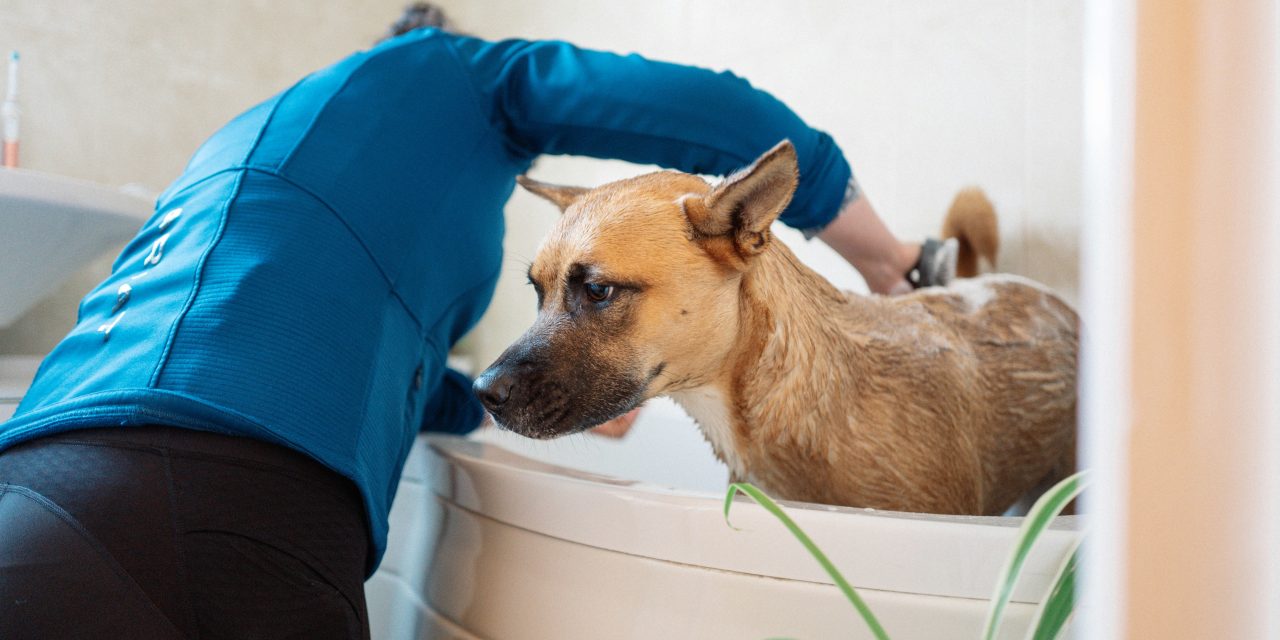
Bathing is an essential aspect of dog grooming that can significantly impact odor control. However, improper bathing techniques can lead to skin irritation or exacerbate existing conditions. It is crucial to use dog-specific shampoos that are pH-balanced for their skin type and avoid human products that may strip natural oils.
Frequency of bathing varies by breed and lifestyle; however, over-bathing can lead to dryness and irritation, while under-bathing may allow odors to build up. A balanced approach includes regular grooming sessions combined with baths as needed based on the dog’s activity level and coat condition. Proper drying techniques are also vital to prevent moisture-related odors.
When Allergies Cause Your Dog to Smell Unpleasant
Allergies are a common cause of persistent odor in dogs, often manifesting as skin irritations or infections due to environmental allergens such as pollen, dust mites, or certain foods. Allergic reactions can lead to excessive scratching and licking, resulting in secondary infections that produce foul smells.
Identifying and managing allergies is crucial for odor control. This may involve allergy testing by a veterinarian to determine specific triggers and implementing avoidance strategies or treatments such as antihistamines or corticosteroids. Regular bathing with hypoallergenic shampoos can also help soothe irritated skin and reduce odor.
How Anal Gland Issues Lead to Foul Odor
Anal gland issues are often overlooked but can be a significant source of unpleasant odors in dogs. The anal glands produce a foul-smelling secretion that is normally expressed during defecation; however, if these glands become impacted or infected, they can lead to an overpowering smell.
Signs of anal gland problems include scooting, excessive licking of the rear end, or discomfort during bowel movements. Treatment typically involves expressing the glands manually by a veterinarian or addressing underlying issues such as dietary changes or infections. Regular monitoring can help prevent future complications.
The Influence of Underlying Health Problems
Underlying health problems can significantly influence your dog’s body odor. Conditions such as diabetes mellitus, kidney disease, or liver dysfunction may lead to changes in metabolism that produce distinctive smells. For instance, diabetic dogs may have a sweet or fruity odor due to ketone production.
It is essential for pet owners to be vigilant about changes in their dog’s smell as they may indicate serious health issues requiring veterinary attention. Regular check-ups and blood tests can help identify underlying conditions early on, allowing for timely intervention and management.
Environmental Factors That Make Your Dog Smell Bad
Environmental factors play a crucial role in contributing to persistent dog odors. Exposure to damp conditions, mud, or other contaminants can lead to skin infections or unpleasant smells clinging to your dog’s coat. Additionally, living in areas with high pollen counts may exacerbate allergy-related odors.
To mitigate environmental influences on odor, it is essential to maintain a clean living space for your dog and provide regular grooming sessions after outdoor activities. Creating a dry and clean environment will help reduce the risk of infections and associated smells.
When to See a Veterinarian About Persistent Odor
If your dog exhibits persistent odor despite regular grooming and hygiene practices, it is crucial to consult a veterinarian for further evaluation. A thorough examination may reveal underlying health issues requiring medical intervention or specialized treatment.
Signs that warrant immediate veterinary attention include sudden changes in odor accompanied by other symptoms such as vomiting, diarrhea, lethargy, or changes in appetite. Early diagnosis and treatment are vital for addressing potential health concerns effectively.
In summary, persistent dog odor can stem from various causes including skin infections, dental hygiene issues, ear infections, dietary factors, allergies, anal gland problems, and underlying health conditions. Proper grooming techniques and regular veterinary check-ups are essential for maintaining your dog’s health and minimizing unpleasant smells. By understanding these factors and implementing preventive measures, pet owners can ensure their furry companions remain fresh and healthy.
FAQs
What are common reasons for a dog to smell bad even after a bath?
Common reasons include skin infections, allergies, dental issues, ear infections, and anal gland problems. These conditions can cause persistent odors that regular bathing may not eliminate.
Can diet affect my dog’s odor?
Yes, a dog’s diet can significantly impact their smell. Poor-quality food or food allergies can lead to skin issues and digestive problems, resulting in a foul odor. A balanced diet rich in nutrients can help improve your dog’s overall health and reduce bad smells.
How often should I bathe my dog to prevent bad odors?
The frequency of baths depends on the dog’s breed, coat type, and lifestyle. Generally, bathing every 4 to 6 weeks is sufficient for most dogs. However, dogs that spend more time outdoors or have skin conditions may require more frequent baths.
What should I do if my dog has a persistent bad smell?
If your dog has a persistent bad smell despite regular bathing, it’s essential to consult a veterinarian. They can diagnose any underlying health issues, such as infections or allergies, and recommend appropriate treatment.
Are there specific products that can help with dog odor?
Yes, there are various products designed to help with dog odor, including specialized shampoos, deodorizing sprays, and wipes. Look for products that are formulated for dogs and consider those that target specific issues like skin conditions or allergies.