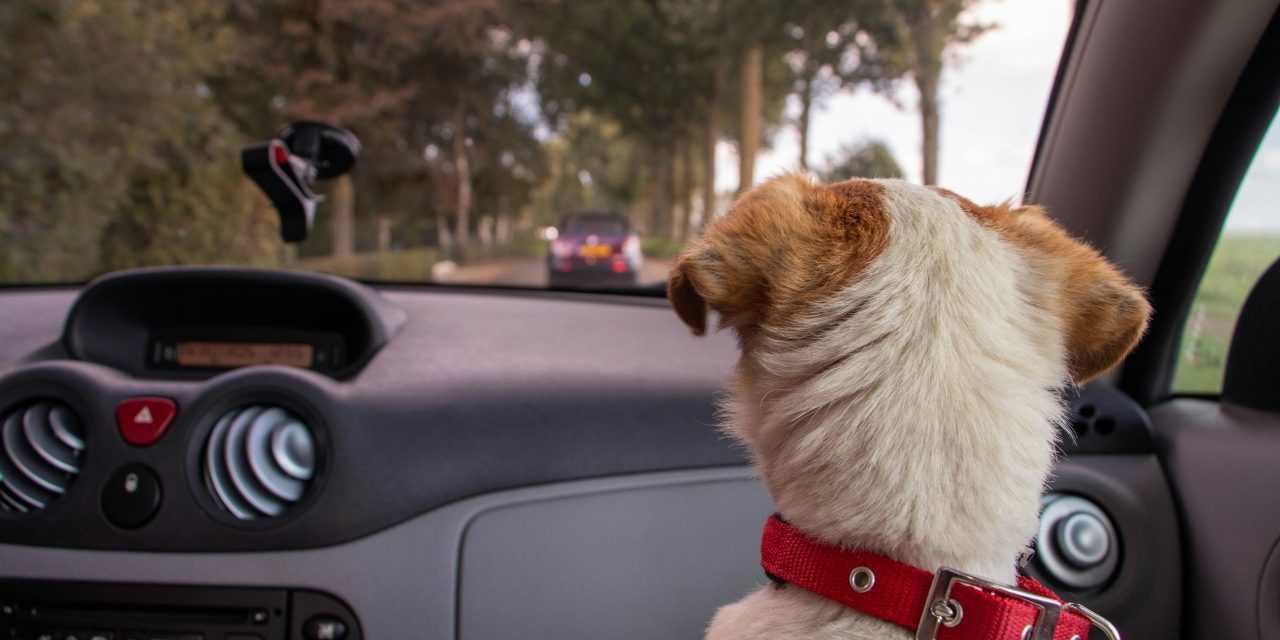
Traveling with your canine companion can be an exhilarating experience, but it requires meticulous preparation to ensure a safe and enjoyable journey. The first step in preparing your dog for car travel is to acclimate them to the vehicle. Begin by allowing your dog to explore the car while it is stationary. This familiarization process helps reduce anxiety and builds positive associations with the vehicle. Gradually introduce short trips around the block, progressively increasing the duration as your dog becomes more comfortable.
Additionally, consider your dog’s health status before embarking on a long journey. Consult your veterinarian to ensure that your pet is fit for travel, especially if they have pre-existing medical conditions or are elderly. Vaccinations should be up to date, and a thorough check-up can help identify any potential issues that may arise during travel. Preparing your dog mentally and physically will set the stage for a successful road trip.
Choosing the Right Restraint System
Selecting an appropriate restraint system is crucial for ensuring your dog’s safety during car travel. Various options are available, including harnesses, seat belts, and crates. A well-fitted harness designed specifically for car travel can prevent your dog from moving around excessively, reducing the risk of injury in case of sudden stops or accidents. Look for harnesses that have been crash-tested and are made from durable materials.
Crates can also provide a secure environment for your dog while traveling. When choosing a crate, ensure it is well-ventilated and spacious enough for your dog to stand, turn around, and lie down comfortably. It is essential to secure the crate properly within the vehicle to prevent it from sliding or tipping during transit. Regardless of the restraint system you choose, always prioritize your dog’s safety and comfort.
Packing Essentials for Your Dog’s Road Trip

When preparing for a road trip with your dog, packing the right essentials is vital for a smooth journey. Start with food and water supplies; bring enough of your dog’s regular food to last the entire trip, along with portable water bowls. Consider packing collapsible bowls for convenience during stops. Additionally, include treats to reward good behavior and keep your dog motivated throughout the journey.
Other essential items include a leash, waste bags for clean-up during breaks, grooming supplies such as brushes or wipes, and any medications your dog may require. A first-aid kit specifically designed for pets can be invaluable in case of emergencies. Don’t forget to bring your dog’s favorite toys or blankets to provide comfort and familiarity during travel.
Planning Frequent Stops for Exercise and Bathroom Breaks

Long car rides can be taxing on dogs, making it essential to plan frequent stops for exercise and bathroom breaks. Aim to stop every two to three hours to allow your dog to stretch their legs and relieve themselves. During these breaks, engage in short walks or playtime to help burn off excess energy and reduce restlessness.
When selecting rest areas, look for pet-friendly locations that provide ample space for your dog to roam safely. Always keep your dog on a leash during breaks to prevent them from running off or encountering hazards. These stops not only benefit your dog’s physical health but also contribute to their mental well-being by breaking up the monotony of long travel hours.
Maintaining a Comfortable Temperature Inside the Car
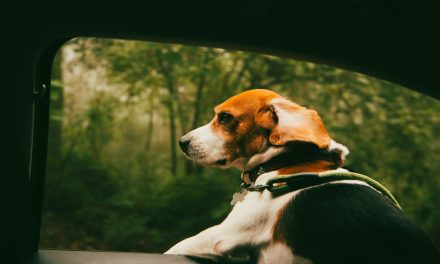
Temperature regulation is critical when traveling with dogs, as they are susceptible to heat stress and hypothermia. During warmer months, ensure that the car’s air conditioning is functioning effectively before starting your journey. Keep windows slightly cracked for ventilation but avoid allowing your dog to stick their head out, as this can pose safety risks.
In colder weather, provide blankets or pet-safe heating pads to keep your dog warm and comfortable. Monitor your dog’s behavior closely; if they appear restless or pant excessively, it may indicate discomfort due to temperature extremes. Always prioritize their comfort by adjusting the climate control settings as needed.
Securing Your Dog’s Crate or Carrier Properly
If you opt for a crate or carrier as a restraint system, securing it properly within the vehicle is paramount for safety. Position the crate in a stable area of the car, ideally in the back seat or cargo area, away from airbags that could deploy in an accident. Use tie-down straps or seatbelt clips designed for crates to prevent movement during transit.
Ensure that the crate is well-ventilated and that your dog has enough space to move comfortably without feeling confined. Familiarize your dog with the crate before travel by allowing them to spend time inside it at home. This will help reduce anxiety and create a sense of security during the journey.
Keeping Your Dog Hydrated and Fed During the Journey
Hydration is essential during travel, especially on long road trips where access to water may be limited. Bring along sufficient water for your dog and offer it regularly during breaks. Portable water bottles with attached bowls can make it easier to provide hydration on-the-go.
Feeding schedules should also be adjusted according to travel plans. It is advisable to feed your dog a light meal a few hours before departure to minimize the risk of motion sickness. During long trips, consider offering small snacks rather than full meals to prevent digestive discomfort. Always monitor your dog’s appetite and hydration levels throughout the journey.
Managing Motion Sickness in Dogs
Motion sickness is a common issue among dogs during car travel, leading to discomfort and anxiety. Symptoms may include drooling, whining, or vomiting. To mitigate these effects, consider acclimating your dog gradually by taking them on shorter trips before embarking on longer journeys.
In some cases, medication may be necessary to manage motion sickness effectively. Consult with your veterinarian about anti-nausea medications specifically formulated for dogs, such as meclizine or dimenhydrinate. These medications can help alleviate symptoms and make travel more enjoyable for both you and your pet.
Ensuring Your Dog’s Identification is Up to Date
Before hitting the road, ensure that your dog’s identification is current and easily accessible. This includes a collar with an ID tag that displays your contact information and an updated rabies tag if applicable. Microchipping is also highly recommended as a permanent form of identification that can help reunite you with your pet in case they become lost.
Regularly check that all information on tags is accurate and legible. In addition to identification tags, consider carrying recent photographs of your dog in case you need to create lost pet flyers during travel.
Avoiding Distractions While Driving
Driving with a pet requires heightened focus and attention on the road. To minimize distractions while driving, ensure that your dog is securely restrained in their designated area before starting the journey. Avoid allowing them to roam freely within the vehicle, as this can lead to dangerous situations.
Consider using calming aids such as pheromone sprays or anxiety wraps if your dog tends to become overly excited or anxious during travel. These products can help create a more serene environment within the car, allowing you to concentrate on driving safely.
Tips for Calming Anxious or Nervous Dogs in the Car
Traveling can be particularly stressful for anxious dogs; therefore, implementing strategies to calm them is essential for a pleasant journey. Create a soothing environment by playing soft music or using calming scents such as lavender in the car.
Additionally, consider using anxiety wraps or vests designed specifically for dogs; these garments apply gentle pressure that can have a calming effect similar to swaddling an infant. Providing familiar items such as blankets or toys can also help alleviate anxiety by offering comfort during travel.
Incorporating regular breaks into your travel itinerary allows anxious dogs time to decompress outside of the vehicle, further reducing stress levels.
In summary, preparing for car travel with your dog involves careful planning and consideration of their needs throughout the journey. From selecting appropriate restraint systems and packing essentials to managing hydration and addressing anxiety, each aspect plays a crucial role in ensuring a safe and enjoyable experience for both you and your furry friend. By following these guidelines and being proactive about potential challenges, you can create lasting memories on the open road together.
### FAQ Section
1. **How can I tell if my dog is anxious during car travel?**
Signs of anxiety may include excessive panting, whining, drooling, pacing, or attempts to escape from their restraint system.
2. **What should I do if my dog vomits in the car?**
Pull over safely and clean up any mess promptly while ensuring your dog remains calm. If vomiting persists, consult with a veterinarian.
3. **Can I give my dog human medication for motion sickness?**
No; always consult with a veterinarian before administering any medication not specifically prescribed for dogs.
4. **How often should I stop during long trips?**
Aim for breaks every two to three hours to allow your dog time to exercise and relieve themselves.
5. **What should I do if my dog escapes during travel?**
Remain calm and search nearby areas thoroughly while calling their name; having recent photos can assist in creating lost pet flyers if necessary.
6. **Is it safe for my dog to ride in the back of a pickup truck?**
No; it poses significant risks including injury from falls or being thrown from the vehicle.
7. **What are some signs my dog may be overheating?**
Excessive panting, drooling, lethargy, or difficulty breathing are indicators of overheating; seek immediate veterinary assistance if these symptoms occur.
8. **Should I feed my dog before traveling?**
It’s best to feed them a light meal several hours prior to departure; avoid feeding immediately before travel to reduce motion sickness risk.
9. **Can I use a regular collar instead of a harness?**
While collars are suitable for walking, harnesses designed for car travel provide better restraint and safety during transit.
10. **What should I do if my dog refuses to enter their crate?**
Encourage them with treats or toys; make the crate inviting by placing familiar items inside and allowing them time to explore it at home before travel.
By addressing these common concerns proactively, you can enhance both safety and comfort while traveling with your beloved canine companion.
FAQs
What are the best ways to secure a dog in the car?
To secure a dog in the car, you can use a pet seatbelt harness, a dog crate, or a pet barrier. A seatbelt harness attaches to the car’s seatbelt and keeps your dog restrained, while a crate provides a safe, enclosed space. A pet barrier can prevent your dog from moving to the front seat, ensuring both the dog’s and passengers’ safety.
How often should I take breaks during a long car trip with my dog?
It is recommended to take breaks every 2 to 3 hours during a long car trip with your dog. This allows your dog to stretch, relieve themselves, and hydrate. Frequent stops can help reduce anxiety and restlessness in your pet.
What should I pack for my dog when traveling by car?
When traveling by car with your dog, pack essentials such as food and water, a leash, waste bags, a first aid kit, a favorite blanket or toy, and any medications your dog may need. Additionally, consider bringing a travel bowl and a crate or carrier for added safety and comfort.
Is it safe to let my dog stick its head out the window?
No, it is not safe to let your dog stick its head out the window. This can lead to serious injuries from debris, wind, or sudden stops. Instead, keep the windows partially closed and ensure your dog is secured in the vehicle to prevent accidents.
What should I do if my dog gets car sick?
If your dog gets car sick, try to acclimate them to car rides gradually by taking short trips and rewarding them with treats. You can also consult your veterinarian for advice on medications or remedies that may help alleviate motion sickness in dogs.