Car sickness in dogs, also known as motion sickness, is a common condition that affects many canines during travel. This phenomenon occurs when the vestibular system, responsible for balance and spatial orientation, becomes overwhelmed by the conflicting signals received from the inner ear, eyes, and body. As a result, dogs may experience nausea, vomiting, and anxiety during car rides. The condition is particularly prevalent in younger dogs, as their vestibular systems are still developing. However, it can also affect older dogs who may have never experienced travel before or those with underlying health issues.
The severity of car sickness can vary significantly among individual dogs. Some may only exhibit mild discomfort, while others may experience severe distress. Factors such as the duration of travel, the type of vehicle, and the dog’s previous experiences with car rides can all contribute to the likelihood of motion sickness. Understanding the underlying mechanisms of this condition is crucial for pet owners seeking effective solutions to alleviate their dog’s discomfort during travel.
Signs and Symptoms of Car Sickness
Recognizing the signs and symptoms of car sickness in dogs is essential for timely intervention. Common indicators include excessive drooling, whining, restlessness, and attempts to escape from the vehicle. Dogs may also exhibit signs of anxiety, such as panting or pacing. In more severe cases, vomiting may occur, which can lead to dehydration if not addressed promptly.
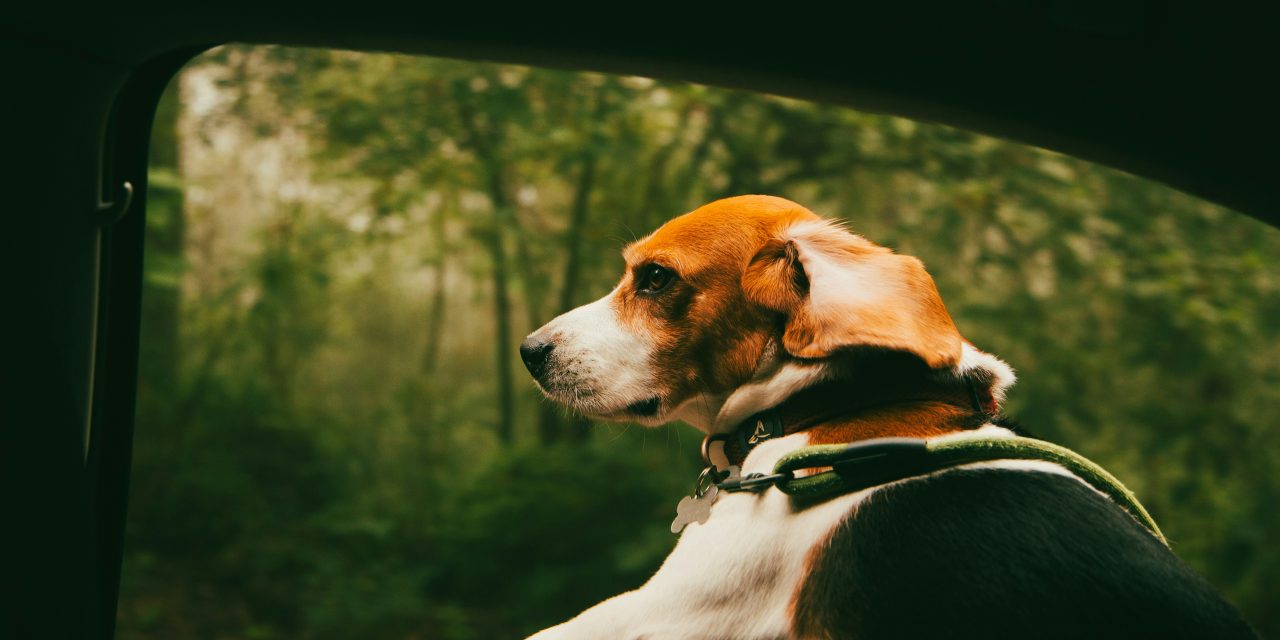
It is important to note that some dogs may not display obvious signs of distress but still experience discomfort. Subtle behaviors such as licking their lips or staring intently out of the window can indicate that a dog is feeling uneasy. Pet owners should remain vigilant during car rides and be prepared to take action if they notice any of these symptoms manifesting in their canine companions.
Preparing Your Dog for Car Rides

Preparation is key to ensuring a positive travel experience for both dogs and their owners. Familiarizing your dog with the vehicle before embarking on a journey can significantly reduce anxiety levels. Start by allowing your dog to explore the car while it is stationary. Encourage them to enter and exit freely, rewarding them with treats and praise to create positive associations with the vehicle.
Additionally, short practice trips can help acclimate your dog to the sensation of movement. Gradually increase the duration of these trips while monitoring your dog’s comfort level. This gradual exposure can help desensitize your dog to the experience of traveling in a car, making longer journeys more manageable.
Choosing the Right Seating and Restraint

Selecting an appropriate seating arrangement and restraint system is crucial for ensuring your dog’s safety and comfort during travel. Dogs should ideally be secured in a well-ventilated area of the vehicle, away from direct sunlight and drafts. A pet seatbelt or harness designed specifically for canine use can provide both safety and stability during transit.
For larger breeds, a secured crate may be an excellent option, as it offers a confined space that can help reduce anxiety. Smaller dogs may benefit from a pet booster seat that elevates them to window height, allowing them to enjoy the scenery while remaining secure. Regardless of the chosen method, ensuring that your dog is properly restrained will minimize distractions for the driver and enhance overall safety.
Gradual Desensitization to Car Travel
Gradual desensitization is an effective technique for helping dogs overcome car sickness. This process involves exposing your dog to the vehicle in a controlled manner over time. Start by allowing your dog to sit in the parked car with the engine off for short periods. Gradually increase the time spent inside while introducing positive reinforcement through treats and praise.
Once your dog appears comfortable in the stationary vehicle, begin taking short trips around the block or to nearby locations. Monitor your dog’s behavior closely during these outings and adjust the duration based on their comfort level. The goal is to create a positive association with car travel so that your dog learns to associate the experience with enjoyable activities rather than discomfort.
Feeding Guidelines Before Travel
Feeding guidelines play a significant role in managing car sickness in dogs. It is generally advisable to avoid feeding your dog a large meal immediately before travel, as a full stomach can exacerbate feelings of nausea. Instead, consider offering a light meal two to three hours prior to departure. This approach allows for digestion while minimizing the risk of vomiting during transit.
In addition to meal timing, the type of food provided can also impact your dog’s comfort level during travel. Opting for easily digestible foods can help reduce gastrointestinal upset. Consult with your veterinarian for recommendations on suitable pre-travel meals tailored to your dog’s specific dietary needs.
Using Natural Remedies and Supplements
Natural remedies and supplements can provide additional support for dogs prone to car sickness. Ginger is widely recognized for its anti-nausea properties and can be administered in various forms, including ginger snaps or powdered ginger mixed into food. Another option is chamomile tea, which has calming effects that may help alleviate anxiety associated with travel.
Additionally, pheromone sprays or diffusers designed for dogs can create a soothing environment within the vehicle. These products release calming scents that may help reduce stress levels during travel. Always consult with your veterinarian before introducing any new supplements or remedies to ensure they are safe and appropriate for your dog’s individual health profile.
Medications for Severe Car Sickness
In cases where natural remedies and behavioral modifications prove insufficient, veterinary intervention may be necessary. Several medications are available to manage severe car sickness in dogs effectively. Antihistamines such as diphenhydramine (Benadryl) are commonly prescribed due to their sedative properties and ability to alleviate nausea.
Another option is maropitant citrate (Cerenia), which is specifically formulated for treating motion sickness in dogs. This medication works by blocking signals in the brain that trigger vomiting and nausea. It is essential to follow your veterinarian’s dosage recommendations carefully and discuss any potential side effects or interactions with other medications your dog may be taking.
Creating a Calm Environment in the Vehicle
Establishing a calm environment within the vehicle is crucial for minimizing anxiety during travel. Consider playing soft music or using white noise machines designed for pets to create a soothing atmosphere. Additionally, providing familiar items such as blankets or toys can offer comfort and reassurance to your dog during long journeys.
Maintaining a consistent temperature within the vehicle is also important; ensure that it is neither too hot nor too cold for your canine companion. Avoid sudden movements or loud noises that could startle your dog while driving, as these factors can contribute to heightened anxiety levels.
Frequent Breaks and Hydration During Trips
Taking frequent breaks during long trips is essential for both you and your dog’s well-being. Plan stops every couple of hours to allow your dog to stretch their legs, relieve themselves, and hydrate adequately. Providing access to fresh water during these breaks will help prevent dehydration and promote overall comfort.
During breaks, encourage your dog to engage in light exercise, such as walking or playing fetch, which can help alleviate pent-up energy and reduce anxiety levels before resuming travel. These brief intermissions not only benefit your dog but also provide an opportunity for you to rest and recharge before continuing on your journey.
When to Consult a Veterinarian
If your dog’s car sickness persists despite implementing various strategies or if they exhibit severe symptoms such as excessive vomiting or lethargy, it is crucial to consult a veterinarian promptly. A thorough examination can help identify any underlying health issues contributing to motion sickness or rule out other medical conditions that may require attention.
Your veterinarian can provide tailored recommendations based on your dog’s specific needs and may suggest additional diagnostic tests if necessary. Early intervention is key in managing car sickness effectively and ensuring that your dog remains healthy and comfortable during travel.
In summary, car sickness in dogs is a multifaceted issue that requires careful consideration from pet owners. By understanding its causes, recognizing symptoms, and implementing effective strategies such as gradual desensitization, proper feeding guidelines, and creating a calm environment, you can significantly improve your dog’s travel experience. If necessary, consult with a veterinarian regarding medication options for severe cases while exploring natural remedies that may provide additional support. With patience and proactive measures, you can help your canine companion enjoy car rides without discomfort or distress.
FAQs
What are the common signs of car sickness in dogs?
Common signs of car sickness in dogs include excessive drooling, whining or barking, restlessness, vomiting, and a general reluctance to get into the car. Some dogs may also display signs of anxiety or distress during car rides.
What can I do to prevent my dog from getting car sick?
To prevent car sickness, you can gradually acclimate your dog to car rides by taking short trips and rewarding them with treats. Ensure your dog is comfortable in the vehicle, use a pet seatbelt or carrier, and avoid feeding them a large meal right before travel.
Are there any medications available for dogs with car sickness?
Yes, there are medications available for dogs suffering from car sickness. Consult your veterinarian for options such as antihistamines or anti-nausea medications that can help alleviate symptoms during travel.
How can I make car rides more comfortable for my dog?
To make car rides more comfortable, ensure proper ventilation, keep the car cool, and provide a familiar blanket or toy. You can also play calming music and take frequent breaks during long trips to allow your dog to stretch and relieve themselves.
When should I consult a veterinarian about my dog’s car sickness?
If your dog’s car sickness persists despite your efforts to manage it, or if they experience severe symptoms such as repeated vomiting or lethargy, it is important to consult a veterinarian. They can help determine if there are underlying health issues or recommend appropriate treatments.