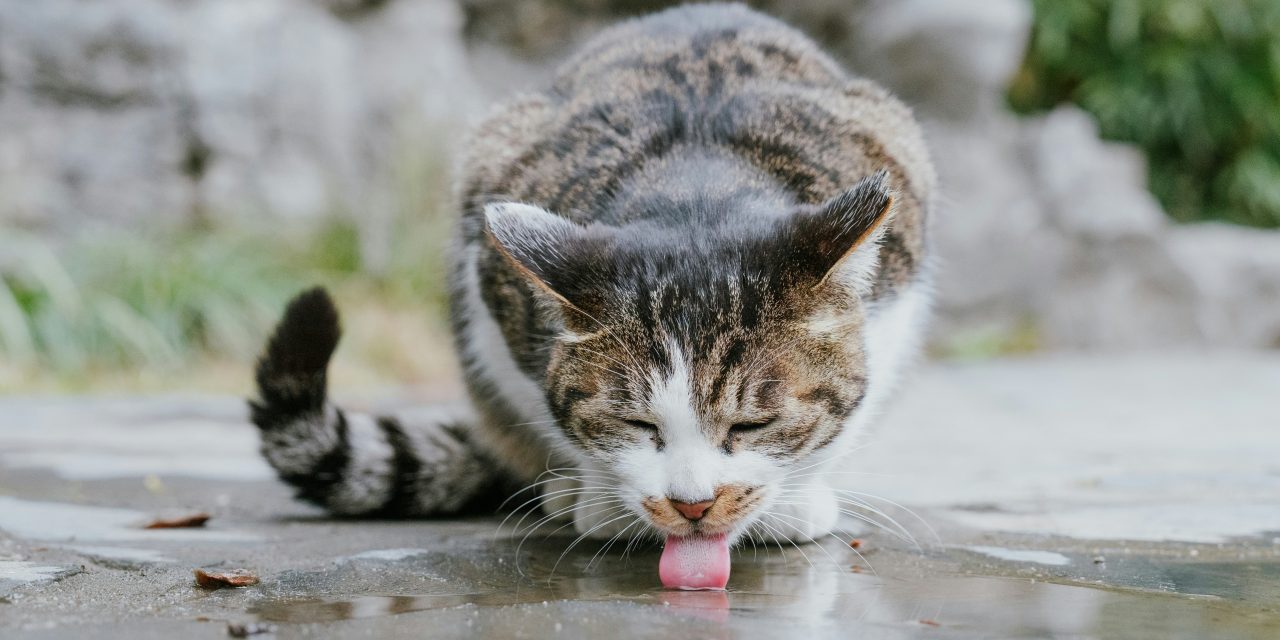
Cats, as obligate carnivores, have unique hydration requirements that are often overlooked by pet owners. Unlike dogs, felines have evolved to derive a significant portion of their moisture from their prey, which is typically high in water content. This evolutionary trait means that cats are not as inclined to drink large amounts of water as other animals. However, it is crucial to understand that adequate hydration is vital for maintaining optimal health in cats. Water plays a pivotal role in various physiological processes, including digestion, circulation, and thermoregulation.
The average adult cat requires approximately 60-70 milliliters of water per kilogram of body weight daily. This translates to about 2.5 to 5 ounces of water for a typical 10-pound cat. Factors such as age, activity level, and environmental conditions can influence these needs. Therefore, it is essential for cat owners to be vigilant about their pet’s hydration status and ensure they have access to fresh water at all times.
Factors Influencing a Cat’s Daily Water Intake
Several factors can significantly impact a cat’s daily water intake. One of the primary determinants is the cat’s diet. Cats consuming dry kibble will generally require more water than those on a wet food diet, as dry food contains only about 10% moisture compared to wet food, which can contain up to 80% moisture. Additionally, environmental conditions such as temperature and humidity can affect hydration needs; hotter climates may lead to increased water consumption due to higher rates of evaporation and perspiration.
Another critical factor is the cat’s age and health status. Kittens and younger cats typically have higher metabolic rates and may require more water than older cats. Furthermore, certain medical conditions, such as diabetes mellitus or kidney disease, can increase a cat’s thirst and urination, necessitating greater water intake. Understanding these variables can help pet owners tailor their approach to ensuring their feline companions remain adequately hydrated.
Average Water Consumption for Cats by Weight

Water consumption in cats can vary significantly based on their weight and overall health. On average, a healthy adult cat weighing around 10 pounds should consume approximately 2.5 to 5 ounces of water daily. For larger cats, the intake requirement increases proportionally; for instance, a 15-pound cat may need around 3.75 to 7.5 ounces of water each day. Conversely, smaller cats weighing around 5 pounds typically require about 1.5 to 3 ounces of water daily.
It is essential to note that these figures are general guidelines and may not apply universally to every cat. Individual variations in metabolism, activity levels, and dietary habits can lead to differences in hydration needs. Therefore, monitoring your cat’s behavior and adjusting their water intake accordingly is crucial for maintaining their health.
The Role of Diet in a Cat’s Hydration

Diet plays a significant role in a cat’s overall hydration status. Cats that consume primarily dry kibble may struggle to meet their hydration needs solely through drinking water. In contrast, those fed wet food benefit from the high moisture content, which can help maintain proper hydration levels without requiring excessive water intake. Wet food can also provide additional nutrients that support kidney function and overall health.
Moreover, the type of protein in a cat’s diet can influence hydration needs. High-protein diets may lead to increased metabolic waste production, necessitating greater water consumption for efficient excretion through urine. Therefore, it is essential for cat owners to consider both the moisture content of their pet’s food and the protein sources when evaluating their hydration needs.
Signs Your Cat May Not Be Drinking Enough Water
Recognizing the signs of dehydration in cats is crucial for preventing serious health issues. Common indicators include lethargy, dry gums, sunken eyes, and decreased skin elasticity. A simple test involves gently pinching the skin at the back of the neck; if it does not return quickly to its original position, this may indicate dehydration.
Additionally, changes in litter box habits can signal inadequate hydration. If a cat is urinating less frequently or producing concentrated urine with a strong odor, it may be a sign that they are not drinking enough water. Monitoring these signs can help pet owners take proactive measures to ensure their feline companions remain well-hydrated.
How to Encourage Your Cat to Drink More Water
Encouraging cats to drink more water can be challenging but is essential for their health. One effective strategy is to provide multiple water bowls throughout the house, as some cats prefer drinking from different locations. Additionally, using shallow dishes can make it easier for cats to access water without feeling threatened or uncomfortable.
Another method is to invest in a pet water fountain. Many cats are attracted to running water due to their instinctual behavior of seeking fresh sources of hydration. The continuous flow can entice them to drink more frequently. Furthermore, adding ice cubes or offering chilled water can make drinking more appealing during warmer months.
The Importance of Fresh and Clean Water Availability
Providing fresh and clean water is paramount for maintaining a cat’s hydration status. Stale or contaminated water can deter cats from drinking and may lead to health issues if ingested. It is advisable to change the water daily and clean the bowls regularly to prevent bacterial growth.
Additionally, using filtered or bottled water can enhance palatability and encourage cats to drink more. Some cats may be sensitive to the taste or odor of tap water due to chlorine or other additives; therefore, offering alternatives can improve their willingness to hydrate.
Effects of Dehydration on Cat Health
Dehydration can have severe consequences on a cat’s health if left unaddressed. It can lead to urinary tract issues, including urinary crystals or stones, which can cause painful blockages and require emergency veterinary intervention. Chronic dehydration can also strain the kidneys over time, potentially leading to renal failure.
Moreover, dehydration affects overall bodily functions, including digestion and circulation. It can result in decreased nutrient absorption and hinder the body’s ability to regulate temperature effectively. Recognizing the importance of hydration is crucial for preventing these adverse effects on feline health.
Using Wet Food to Supplement Water Intake
Incorporating wet food into a cat’s diet is an effective way to enhance hydration levels. Wet food contains significantly higher moisture content than dry kibble, providing an additional source of hydration without requiring extra drinking. This approach is particularly beneficial for older cats or those with specific health concerns that necessitate increased fluid intake.
When selecting wet food options, it is essential to choose high-quality brands that meet nutritional standards and contain adequate protein levels while being low in fillers or artificial additives. Transitioning gradually from dry food to wet food can help cats adjust without causing gastrointestinal upset.
When to Consult a Veterinarian About Your Cat’s Hydration
If you suspect your cat is dehydrated or exhibiting signs of inadequate hydration, it is crucial to consult a veterinarian promptly. A veterinarian can perform diagnostic tests such as blood work or urinalysis to assess kidney function and overall health status. They may also recommend specific treatments or dietary adjustments tailored to your cat’s individual needs.
In cases where dehydration is severe or accompanied by other concerning symptoms such as vomiting or diarrhea, immediate veterinary attention is necessary. Early intervention can prevent complications and ensure your cat receives appropriate care.
Tips for Monitoring Your Cat’s Daily Water Consumption
Monitoring your cat’s daily water consumption can provide valuable insights into their hydration status and overall health. One effective method is using a measuring cup or graduated container when filling their water bowl; this allows you to track how much they drink each day accurately.
Additionally, keeping a journal of your cat’s drinking habits can help identify patterns or changes over time. If you notice significant fluctuations in their water intake or any concerning signs of dehydration, it is essential to consult with a veterinarian for further evaluation.
In summary, understanding your cat’s hydration needs is vital for maintaining their health and well-being. Factors such as diet, weight, age, and environmental conditions all play significant roles in determining daily water intake requirements. By recognizing signs of dehydration and implementing strategies to encourage drinking—such as providing fresh water and incorporating wet food—cat owners can help ensure their feline companions remain hydrated and healthy throughout their lives. Regular monitoring and consultation with a veterinarian are essential components of effective hydration management for cats.
FAQs
How much water should a cat drink daily?
On average, a cat should drink about 2.5 to 4.5 ounces of water per 5 pounds of body weight each day. This can vary based on factors such as diet, activity level, and environmental conditions.
Do cats get enough water from their food?
Yes, cats that eat wet food can obtain a significant amount of their daily water intake from their meals, as wet food typically contains around 70-80% moisture. However, cats on a dry food diet may need to drink more water to stay hydrated.
What are the signs of dehydration in cats?
Signs of dehydration in cats include dry gums, lethargy, loss of appetite, sunken eyes, and decreased skin elasticity. If you notice these symptoms, it’s important to consult a veterinarian.
Can cats drink too much water?
While it’s less common, cats can drink excessive amounts of water, which may indicate underlying health issues such as diabetes or kidney disease. If you notice a sudden increase in your cat’s water intake, it’s advisable to seek veterinary advice.
How can I encourage my cat to drink more water?
To encourage your cat to drink more water, you can provide fresh water daily, use a cat water fountain, offer wet food, and place multiple water bowls around the house. Some cats may also prefer drinking from a bowl rather than a dish.