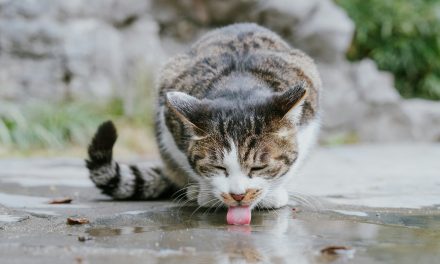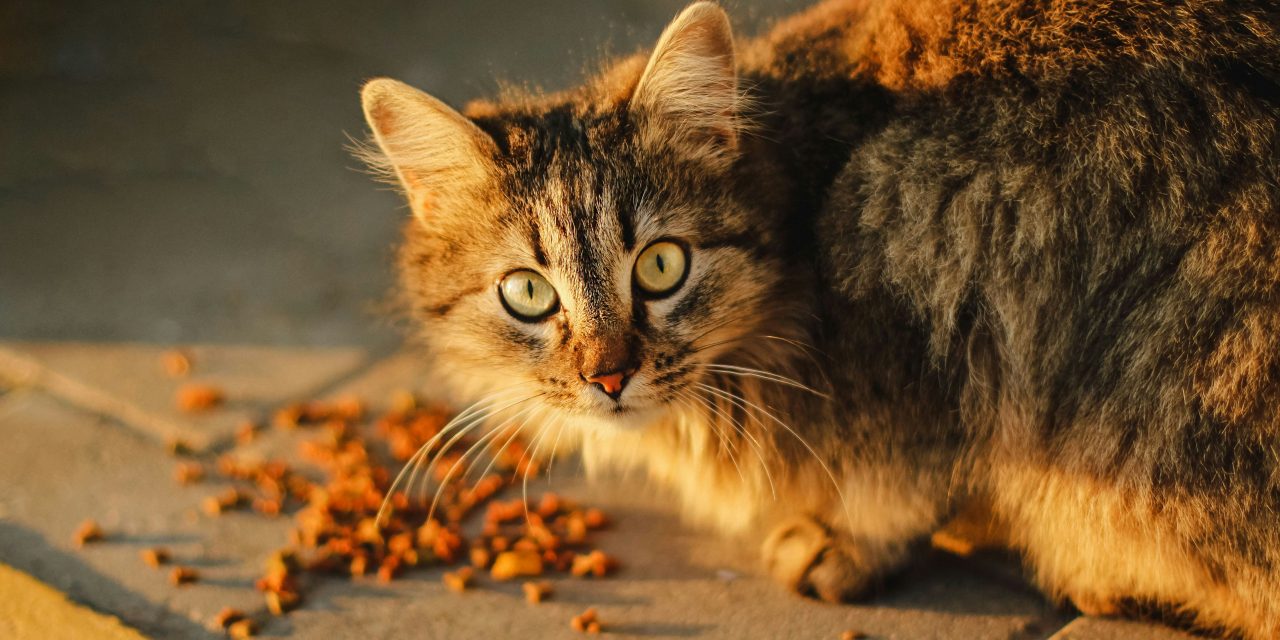
Cats are obligate carnivores, meaning their dietary requirements are primarily met through animal-based proteins. Unlike omnivorous species, felines have evolved to thrive on a diet rich in meat, which provides essential nutrients such as taurine, arachidonic acid, and vitamin Understanding these dietary needs is crucial for cat owners who wish to ensure their pets lead healthy lives. A well-balanced diet not only supports optimal growth and development but also plays a significant role in preventing various health issues.
In addition to protein, cats require specific vitamins and minerals to maintain their overall health. These include calcium, phosphorus, and certain B vitamins. While commercial cat foods are formulated to meet these nutritional requirements, many pet owners often wonder about the safety of sharing human food with their feline companions. This curiosity can lead to unintended consequences if the wrong foods are offered. Therefore, it is essential to educate oneself about both the dietary needs of cats and the potential dangers associated with human food.
Why Human Food Isn’t Always Safe for Cats
While it may be tempting to share your meal with your feline friend, it is crucial to recognize that not all human food is safe for cats. Many foods that are perfectly healthy for humans can be toxic or harmful to cats due to their unique metabolic processes. Cats lack certain enzymes that are necessary for breaking down specific compounds found in various human foods, leading to adverse reactions.
Moreover, the digestive system of a cat is distinctly different from that of humans. For instance, cats have a shorter gastrointestinal tract, which means they process food differently and may not tolerate certain ingredients well. Foods high in carbohydrates or those containing artificial additives can lead to gastrointestinal upset or long-term health issues such as obesity and diabetes. Therefore, understanding which human foods are safe and which are not is vital for any cat owner.
Common Human Foods That Are Toxic to Cats

Several common human foods pose significant risks to feline health. It is essential for cat owners to be aware of these items to prevent accidental poisoning or illness. Some of the most notorious offenders include chocolate, onions, garlic, grapes, and alcohol. Each of these foods contains compounds that can lead to severe health complications in cats.
For example, chocolate contains theobromine and caffeine, both of which can cause cardiac arrhythmias and neurological disturbances in felines. Similarly, onions and garlic contain thiosulfate, which can lead to oxidative damage to red blood cells, resulting in hemolytic anemia. Grapes and raisins have been linked to acute kidney failure in cats, although the exact mechanism remains unclear. Awareness of these toxic foods is crucial for safeguarding your cat’s health.
Chocolate and Caffeine: Dangerous Stimulants

Chocolate and caffeine are two of the most dangerous substances for cats due to their stimulant properties. Both contain methylxanthines, which can lead to a range of symptoms including vomiting, diarrhea, rapid breathing, increased heart rate, and seizures. The severity of these symptoms often depends on the amount ingested and the size of the cat.
Dark chocolate and baking chocolate contain higher concentrations of theobromine compared to milk chocolate, making them particularly hazardous. Even small amounts can be toxic; therefore, it is imperative to keep all chocolate products out of reach of pets. If a cat is suspected of ingesting chocolate or caffeine, immediate veterinary attention is necessary. Treatment may involve inducing vomiting or administering activated charcoal to prevent further absorption of the toxins.
Onions, Garlic, and Other Allium Vegetables to Avoid
Onions and garlic belong to the Allium family of vegetables, which also includes leeks and chives. These foods contain compounds that can be harmful to cats when ingested in significant quantities. Thiosulfate is the primary toxin responsible for causing oxidative damage to red blood cells, leading to hemolytic anemia—a condition characterized by a decrease in red blood cell count.
Symptoms of onion or garlic toxicity may not appear immediately; they can take several days to manifest. Signs include lethargy, weakness, pale gums, and dark-colored urine. If you suspect your cat has consumed any Allium vegetables, it is crucial to seek veterinary care promptly. Treatment may involve supportive care such as intravenous fluids and medications to manage symptoms.
Grapes, Raisins, and Their Harmful Effects on Cats
Grapes and raisins are another category of human food that poses a significant risk to feline health. While the exact mechanism by which these fruits cause toxicity remains unknown, cases of acute kidney failure have been documented following ingestion by cats. Symptoms may include vomiting, diarrhea, lethargy, and decreased appetite.
Even small amounts can be dangerous; therefore, it is advisable to avoid offering grapes or raisins as treats altogether. If a cat consumes these fruits, immediate veterinary intervention is critical. Treatment may involve inducing vomiting or administering activated charcoal to limit absorption of toxins.
Dairy Products: Myths and Realities
The notion that all cats love milk is a common myth that can lead to gastrointestinal distress in many felines. While some cats may tolerate small amounts of dairy products without issue, most adult cats are lactose intolerant due to a decrease in lactase enzyme production after weaning. This intolerance can result in symptoms such as diarrhea, vomiting, and abdominal discomfort.
It is essential for cat owners to recognize that dairy products should not be a staple in their pet’s diet. Instead of milk or cheese, consider offering water or specially formulated cat treats that cater to their nutritional needs without causing digestive upset.
Alcohol and Its Severe Risks for Cats
Alcohol poses severe risks for cats and should never be offered under any circumstances. Even small amounts can lead to intoxication and potentially fatal consequences. Ethanol affects the central nervous system and can cause symptoms such as disorientation, vomiting, difficulty breathing, and even coma.
If a cat is suspected of consuming alcohol, immediate veterinary attention is crucial. Treatment may involve supportive care such as intravenous fluids and medications to manage symptoms while the body metabolizes the alcohol.
Foods High in Salt and Sugar: Why They’re Bad for Cats
Foods high in salt and sugar can have detrimental effects on feline health. Excessive salt intake can lead to sodium ion poisoning, resulting in symptoms such as vomiting, diarrhea, tremors, and seizures. Additionally, high-sugar foods can contribute to obesity and diabetes in cats.
It is essential for cat owners to monitor their pets’ diets closely and avoid offering processed foods that often contain high levels of salt or sugar. Instead, focus on providing balanced meals formulated specifically for feline nutritional needs.
Safe Human Foods That Can Occasionally Be Shared
While many human foods are unsafe for cats, there are some safe options that can be shared occasionally as treats. Cooked meats such as chicken or turkey (without seasoning) can be a delightful addition to your cat’s diet. Additionally, certain vegetables like cooked carrots or peas may be offered in moderation.
Always ensure that any human food shared with your cat is free from harmful additives or seasonings. It is advisable to introduce new foods gradually and monitor for any adverse reactions.
Tips for Feeding Cats a Balanced and Healthy Diet
Feeding your cat a balanced diet involves more than just avoiding harmful foods; it requires careful consideration of their nutritional needs. Here are some tips for ensuring your feline friend receives optimal nutrition:
1. **Choose High-Quality Commercial Cat Food**: Select brands that meet AAFCO (Association of American Feed Control Officials) standards for complete nutrition.
2. **Consult Your Veterinarian**: Regular check-ups will help assess your cat’s dietary needs based on age, weight, activity level, and health status.
3. **Avoid Table Scraps**: Resist the temptation to share leftovers or human food regularly; instead, stick to specially formulated cat treats.
4. **Hydration Matters**: Ensure your cat has access to fresh water at all times; consider incorporating wet food into their diet for added moisture.
5. **Monitor Weight**: Obesity is a common issue among indoor cats; regular weigh-ins will help you maintain a healthy weight for your pet.
In conclusion, understanding the dietary needs of cats is essential for promoting their health and well-being. While sharing human food may seem harmless, it is crucial to recognize the potential dangers associated with certain items. By educating yourself about toxic foods and providing a balanced diet tailored specifically for felines, you can ensure your beloved pet enjoys a long and healthy life filled with vitality.
### FAQ Section
1. **Can I give my cat cooked fish?**
Yes, cooked fish can be offered as an occasional treat but should not replace a balanced diet.
2. **Is it safe for my cat to eat eggs?**
Cooked eggs are generally safe but should be given in moderation due to their high protein content.
3. **What should I do if my cat eats something toxic?**
Contact your veterinarian immediately or call an animal poison control hotline for guidance.
4. **Are there any fruits safe for cats?**
Small amounts of certain fruits like blueberries or watermelon can be safe but should be given sparingly.
5. **How often should I feed my cat?**
Most adult cats do well with two meals per day; however, kittens may require more frequent feeding.
6. **Can I give my cat treats?**
Yes! Just ensure they are specifically formulated for cats and do not exceed 10% of their daily caloric intake.
7. **What signs indicate my cat has eaten something harmful?**
Symptoms may include vomiting, diarrhea, lethargy, or unusual behavior; seek veterinary care if you notice any concerning signs.
8. **Is homemade cat food a good option?**
Homemade diets can be risky unless formulated by a veterinary nutritionist; consult your vet before making any changes.
9. **Can I give my cat bones?**
Cooked bones should never be given as they can splinter; raw bones may be acceptable but should be supervised closely.
10. **How do I transition my cat to a new diet?**
Gradually mix the new food with the old over several days to minimize digestive upset.
In summary, understanding what constitutes a safe diet for cats is paramount for their health and longevity. By being informed about toxic foods and providing balanced nutrition tailored specifically for felines, you can help ensure your furry companion thrives throughout their life.
FAQs
Can cats eat chocolate?
No, cats should not eat chocolate. Chocolate contains theobromine, which is toxic to cats and can lead to serious health issues, including vomiting, diarrhea, rapid breathing, and even seizures.
Is it safe for cats to eat onions?
No, onions are harmful to cats. They contain compounds that can damage a cat’s red blood cells, leading to anemia. Even small amounts can be dangerous, so it’s best to avoid giving onions in any form.
Can cats consume dairy products?
<pWhile many people think cats love milk, most adult cats are lactose intolerant. This means they lack the enzyme needed to properly digest lactose, which can lead to gastrointestinal upset, including diarrhea and stomach cramps.
Are grapes and raisins safe for cats?
No, grapes and raisins are toxic to cats. Ingesting even small amounts can cause kidney failure, which can be life-threatening. It’s important to keep these foods away from your cat.
Can cats eat cooked chicken?
Yes, cooked chicken is generally safe for cats to eat. It is a good source of protein and can be a healthy treat. However, it should be plain, without any seasoning, sauces, or bones, which can pose choking hazards.