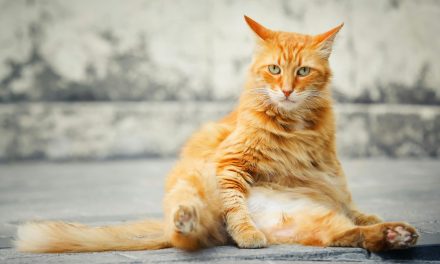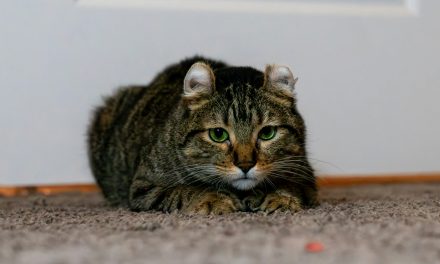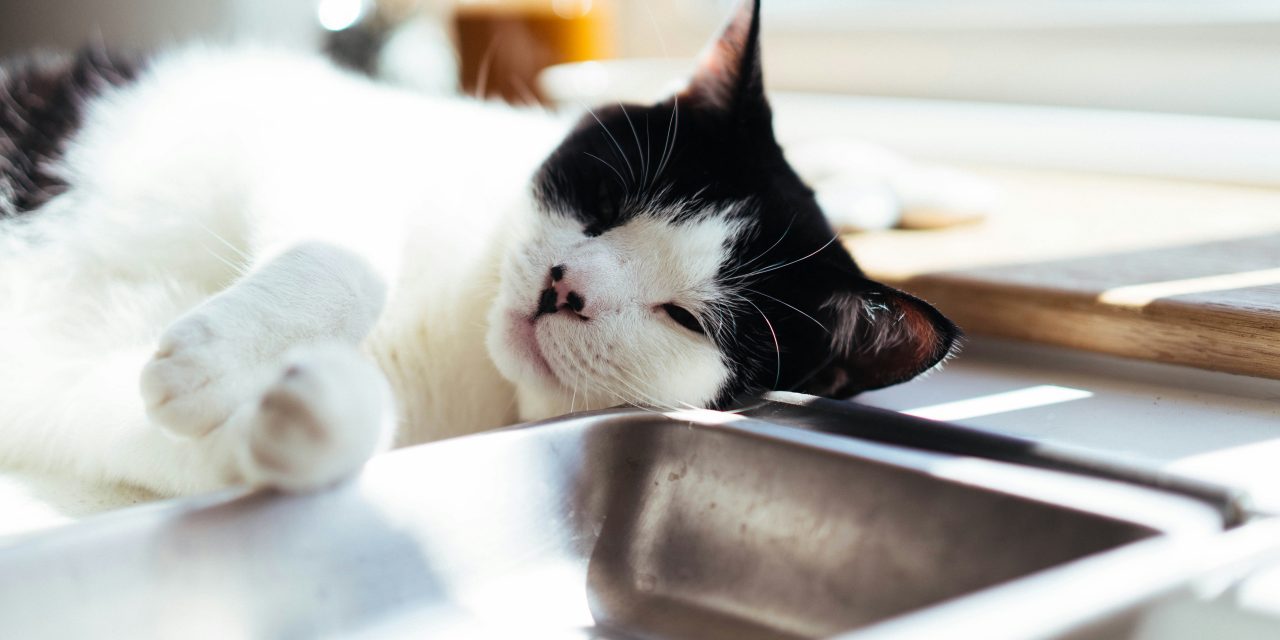
Felines are renowned for their meticulous grooming behaviors, which serve multiple purposes beyond mere cleanliness. Cats possess a unique grooming mechanism that involves the use of their tongues, which are covered in tiny, hook-like structures called papillae. These papillae not only help remove dirt and debris from their fur but also distribute natural oils produced by their skin, promoting a healthy and lustrous coat. This self-grooming ritual is an instinctual behavior that has evolved over thousands of years, allowing cats to maintain hygiene and regulate body temperature.
Moreover, grooming plays a significant role in a cat’s social interactions. Cats often groom each other as a form of bonding, which helps establish social hierarchies and strengthen relationships within a group. This behavior, known as allogrooming, is particularly common among cats that share living spaces. Understanding these grooming habits is essential for cat owners, as it provides insight into their pet’s health and emotional well-being.
Natural Self-Cleaning: Why Cats Usually Don’t Need Baths
Cats are equipped with an innate ability to keep themselves clean, which is one of the reasons they are often considered low-maintenance pets. Their grooming habits are so effective that most cats do not require regular baths. The saliva produced during grooming contains enzymes that break down dirt and bacteria, while the act of licking stimulates blood circulation in the skin, promoting overall health. Additionally, the natural oils secreted by sebaceous glands help repel moisture and dirt, further enhancing their self-cleaning capabilities.
In most cases, bathing a cat can be counterproductive and stressful for both the animal and the owner. Cats generally dislike water, and forcing them into a bath can lead to anxiety and behavioral issues. Therefore, it is crucial for cat owners to recognize that while occasional baths may be necessary in specific situations, routine bathing is typically unnecessary and can disrupt the natural balance of oils in their coat.
Factors That Influence Bathing Frequency

Several factors can influence how often a cat may need a bath, including age, health status, coat type, and lifestyle. For instance, older cats or those with mobility issues may struggle to groom themselves effectively, leading to matting or skin problems that necessitate bathing. Similarly, cats with certain medical conditions, such as obesity or arthritis, may require assistance with grooming and may benefit from occasional baths.
The type of coat also plays a significant role in determining bathing frequency. Long-haired breeds like Persians or Maine Coons may require more frequent baths due to their propensity for tangles and mats. Conversely, short-haired breeds typically maintain their coats more easily and may only need a bath if they become particularly dirty or smelly. Additionally, a cat’s lifestyle can impact its grooming needs; outdoor cats may encounter more dirt and debris than their indoor counterparts, potentially increasing the need for baths.
Signs Your Cat Might Need a Bath

While most cats can maintain their cleanliness through self-grooming, there are specific signs that indicate a bath may be necessary. One of the most apparent signs is an unpleasant odor emanating from the cat’s coat. If your feline friend begins to smell foul despite regular grooming, it may be time for a bath to eliminate any underlying issues.
Another indicator is visible dirt or debris stuck in the fur. If you notice your cat has accumulated mud or other substances that cannot be removed through grooming alone, a bath may be warranted. Additionally, excessive scratching or licking can signal skin irritations or infections that require veterinary attention and possibly a bath to soothe the affected areas. Observing these signs can help ensure your cat remains clean and comfortable.
Common Situations Requiring a Cat Bath
There are several scenarios where bathing a cat becomes necessary. One common situation is when a cat gets into something sticky or greasy, such as motor oil or paint. These substances can be harmful if ingested during grooming and require immediate attention to remove them safely from the fur.
Another situation that may necessitate a bath is when a cat has been exposed to allergens or irritants, such as pollen or chemicals. Bathing can help alleviate skin irritation caused by these substances and provide relief from itching or discomfort. Additionally, if a cat has been diagnosed with certain skin conditions or parasites like fleas or ticks, medicated baths may be prescribed by a veterinarian as part of the treatment plan.
How to Safely Prepare for Bathing Your Cat
Preparing for a cat bath involves several steps to ensure the process is safe and stress-free for both the owner and the pet. First and foremost, gather all necessary supplies before starting the bath. This includes cat-specific shampoo, towels, a non-slip mat for the tub or sink, and possibly a handheld sprayer or cup for rinsing.
Creating a calm environment is essential for reducing anxiety during the bathing process. Consider playing soft music or using pheromone sprays designed to soothe cats. Additionally, it may be helpful to acclimate your cat to the bathing area by allowing them to explore it beforehand without water. This can help reduce fear and make them feel more comfortable when it’s time for the actual bath.
Step-by-Step Guide to Bathing a Cat
Bathing a cat requires patience and care to ensure the experience is as pleasant as possible. Begin by filling the tub or sink with lukewarm water—enough to wet your cat without submerging them completely. Gently place your cat in the water while speaking softly to reassure them.
Next, wet your cat’s fur using a handheld sprayer or cup, avoiding their head initially to prevent panic. Apply a small amount of cat-specific shampoo and lather gently, taking care not to get any soap in their eyes or ears. Rinse thoroughly with lukewarm water until all shampoo is removed; any residue can cause skin irritation.
Once rinsed, carefully lift your cat out of the water and wrap them in a towel to absorb excess moisture. If your cat tolerates it, you can use a blow dryer on a low setting from a safe distance to help dry their coat further.
Choosing the Right Shampoo and Products for Cats
Selecting an appropriate shampoo is crucial for maintaining your cat’s skin health during bathing. Always opt for products specifically formulated for felines; human shampoos can disrupt their skin’s pH balance and lead to irritation. Look for shampoos that are free from harsh chemicals, fragrances, and dyes.
For cats with specific skin conditions or sensitivities, consider using medicated shampoos recommended by your veterinarian. These products often contain ingredients like oatmeal or aloe vera to soothe irritated skin or antifungal agents for treating infections. Always read labels carefully and consult with your veterinarian if you have any concerns about which products are best suited for your pet.
Alternatives to Bathing: Wipes and Dry Shampoo Options
For pet owners who wish to avoid traditional bathing methods altogether, there are several alternatives available that can effectively clean your cat without the stress of water exposure. Cat grooming wipes are an excellent option for quick clean-ups; they are pre-moistened with gentle cleaning solutions that can remove dirt and odors without requiring rinsing.
Dry shampoos specifically designed for cats are another viable alternative. These products come in powder form and can be sprinkled onto your cat’s coat before being brushed out. They work by absorbing excess oils and odors while leaving behind a fresh scent. Both options provide convenient solutions for maintaining cleanliness between baths while minimizing stress for your feline companion.
Post-Bath Care and Drying Techniques
After bathing your cat, proper post-bath care is essential to ensure their comfort and well-being. Gently towel-dry your cat immediately after removing them from the water; this helps prevent them from becoming chilled while also absorbing excess moisture from their fur.
If your cat tolerates it, using a blow dryer on a low setting can expedite drying time; however, always keep it at a safe distance to avoid overheating their skin. Monitor your cat closely during this process to ensure they remain calm and comfortable.
Once dry, consider giving your cat some time in a warm room where they can relax without drafts or cold air exposure. Providing treats or engaging in playtime afterward can help reinforce positive associations with bath time.
When to Consult a Veterinarian About Your Cat’s Skin or Coat Issues
If you notice persistent issues with your cat’s skin or coat despite regular grooming and occasional baths, it may be time to consult with a veterinarian. Signs such as excessive scratching, hair loss, redness, swelling, or unusual odors could indicate underlying health problems that require professional evaluation.
Veterinarians can perform thorough examinations to diagnose conditions such as allergies, infections, or parasitic infestations that may be affecting your cat’s skin health. They may recommend specific treatments ranging from medicated shampoos to dietary changes or medications tailored to address the identified issues effectively.
In conclusion, understanding feline grooming habits is essential for maintaining your cat’s health and well-being. While cats are generally adept at self-cleaning through natural behaviors, there are circumstances where bathing becomes necessary. By recognizing signs that indicate when a bath is needed and following safe bathing practices, owners can ensure their pets remain clean without undue stress. Alternatives such as wipes and dry shampoos offer additional options for maintaining hygiene between baths while minimizing anxiety for both cats and their owners alike. Regular veterinary consultations can further support optimal skin health and address any concerns that arise over time.
FAQs
How often should I bathe my cat?
Most cats do not require regular baths, as they are generally good at grooming themselves. However, if your cat has long hair, is elderly, or has health issues that prevent them from grooming, you may need to bathe them every few months. For cats that get into something particularly dirty or smelly, a bath may be necessary regardless of their grooming habits.
What signs indicate that my cat needs a bath?
Signs that your cat may need a bath include a noticeable odor, greasy or matted fur, or if they have gotten into something sticky or harmful. Additionally, if your cat has been outdoors and is covered in dirt or debris, a bath may be warranted.
Can I use human shampoo to bathe my cat?
No, you should not use human shampoo on your cat. Human shampoos can be too harsh for a cat’s skin and may cause irritation. Instead, use a shampoo specifically formulated for cats, which is pH-balanced for their skin.
How should I prepare my cat for a bath?
To prepare your cat for a bath, gather all necessary supplies such as cat shampoo, towels, and a non-slip mat. Brush your cat beforehand to remove any tangles and reduce shedding. It’s also helpful to acclimate your cat to water by letting them explore the bathing area before the actual bath.
What is the best way to bathe a cat?
The best way to bathe a cat is to fill a sink or tub with a few inches of lukewarm water. Gently wet your cat’s fur, avoiding their head, and apply cat shampoo. Rinse thoroughly to remove all soap, and then wrap your cat in a towel to dry them off. Be sure to keep the experience calm and reassuring to minimize stress for your cat.