Shedding is a natural physiological process that occurs in cats, driven by various factors including genetics, environmental conditions, and overall health. Cats possess a unique coat structure that consists of an undercoat and guard hairs. The undercoat is soft and insulating, while the guard hairs provide protection against environmental elements. Seasonal changes often trigger shedding, as cats adapt to temperature fluctuations. During spring and fall, many felines experience increased shedding as they transition between their winter and summer coats.
Moreover, shedding can be influenced by factors such as stress, hormonal changes, and underlying health issues. For instance, cats may shed excessively due to allergies, skin infections, or parasites like fleas and mites. Understanding the reasons behind shedding is crucial for pet owners to manage it effectively. By recognizing the normal shedding patterns of their feline companions, owners can differentiate between typical fur loss and excessive shedding that may warrant veterinary attention.
Choosing the Right Grooming Tools
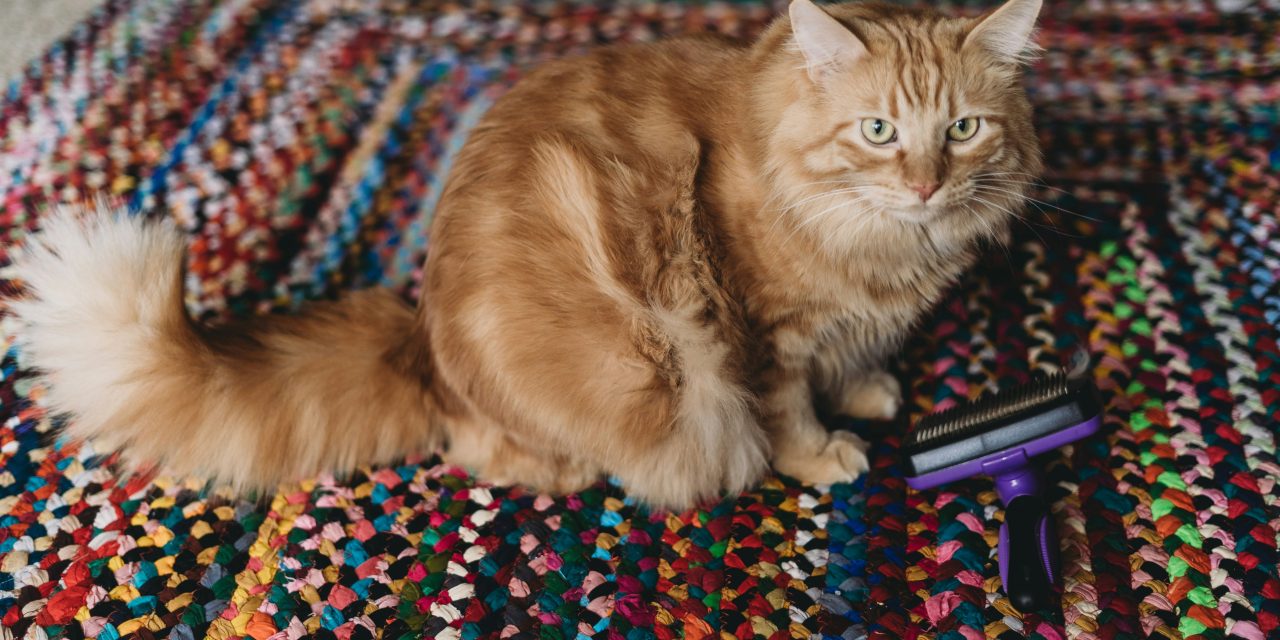
Selecting appropriate grooming tools is essential for managing cat shedding effectively. A variety of brushes and combs are available, each designed to cater to different coat types. For short-haired cats, a rubber grooming mitt or a fine-toothed comb can help remove loose fur while providing a gentle massage. Long-haired breeds, on the other hand, benefit from slicker brushes and wide-toothed combs that can detangle knots and remove dead hair from the undercoat.
In addition to brushes, grooming tools such as de-shedding tools can significantly reduce shedding by reaching deep into the coat. These specialized tools are designed to remove loose fur without damaging the healthy hair. Regularly investing in high-quality grooming tools not only enhances the grooming experience for both the cat and owner but also promotes a healthier coat by minimizing matting and promoting skin health.
Establishing a Regular Brushing Routine

Creating a consistent brushing routine is vital for controlling shedding and maintaining your cat’s coat health. Ideally, cats should be brushed at least once a week; however, long-haired breeds may require daily grooming sessions to prevent tangles and mats. Establishing a routine not only helps reduce shedding but also strengthens the bond between the cat and its owner.
When initiating a brushing routine, it is essential to choose a quiet environment free from distractions. Gradually introduce your cat to the grooming process by allowing them to sniff the brush before starting. Use gentle strokes and pay attention to areas where mats tend to form, such as behind the ears and under the legs. Rewarding your cat with treats or praise during and after grooming can create a positive association with the process, making it easier to maintain regular sessions.
Feeding a Balanced Diet for Healthy Fur

A well-balanced diet plays a crucial role in maintaining a cat’s coat health and minimizing shedding. Nutritional deficiencies can lead to dry skin and excessive fur loss. High-quality cat food should contain essential fatty acids, vitamins, and minerals that promote healthy skin and fur. Omega-3 and Omega-6 fatty acids are particularly beneficial for maintaining skin hydration and reducing inflammation.
Incorporating wet food into your cat’s diet can also contribute to overall hydration, which is vital for skin health. Additionally, consider consulting with a veterinarian about dietary supplements specifically formulated for skin and coat health. These supplements often contain ingredients like biotin, zinc, and fish oil that can enhance fur quality and reduce shedding.
Keeping Your Cat Hydrated
Hydration is an often-overlooked aspect of maintaining a cat’s coat health. Cats are notorious for not drinking enough water, which can lead to dry skin and increased shedding. Providing fresh water daily is essential; consider using a pet water fountain to encourage drinking, as many cats prefer running water over stagnant sources.
In addition to ensuring access to clean water, incorporating wet food into your cat’s diet can significantly boost their overall fluid intake. This approach not only aids in hydration but also contributes to better digestion and urinary tract health. Monitoring your cat’s water consumption is crucial; if you notice any changes in drinking habits or signs of dehydration, consult your veterinarian promptly.
Managing Stress to Minimize Shedding
Stress can be a significant contributor to excessive shedding in cats. Changes in their environment, such as moving to a new home or introducing new pets, can trigger anxiety and lead to increased fur loss. Identifying stressors in your cat’s life is essential for managing shedding effectively.
Creating a calm environment can help alleviate stress-related shedding. Providing safe spaces where your cat can retreat when feeling overwhelmed is beneficial. Additionally, engaging in interactive playtime can reduce anxiety levels while strengthening the bond between you and your feline companion. If stress persists despite these efforts, consider consulting with a veterinarian or animal behaviorist for tailored strategies to manage your cat’s anxiety.
Using Pet-Friendly Cleaning Techniques
Managing cat shedding involves not only grooming but also effective cleaning techniques within the home. Regular vacuuming is essential for removing loose fur from carpets, furniture, and other surfaces. Investing in a vacuum cleaner specifically designed for pet hair can make this task more efficient.
In addition to vacuuming, using lint rollers or pet hair removers can help eliminate fur from clothing and upholstery quickly. When cleaning surfaces, opt for pet-friendly cleaning products that do not contain harsh chemicals that could harm your cat’s health. Regularly washing bedding, blankets, and any fabric items your cat frequently uses will also help minimize allergens and fur accumulation in your living space.
Creating Shedding Zones in Your Home
Designating specific areas in your home as “shedding zones” can help contain loose fur while providing your cat with comfortable spaces to relax. These zones can include areas with washable rugs or blankets where your cat tends to spend most of its time. By concentrating shedding in specific locations, you can simplify cleaning efforts while ensuring your cat has cozy spots to lounge.
Consider placing scratching posts or cat trees in these designated areas to encourage your feline friend to use them instead of furniture or other surfaces. This approach not only helps manage shedding but also promotes healthy scratching behavior that benefits both your cat’s claws and your furniture.
Investing in Furniture Covers and Washable Bedding
To protect your furniture from excessive shedding, investing in furniture covers or slipcovers is an effective solution. These protective layers can be easily removed and washed regularly, preventing fur from embedding itself into upholstery fibers. Look for covers made from durable materials that are resistant to wear and tear while being easy to clean.
Additionally, using washable bedding for your cat provides a comfortable resting place while allowing for easy maintenance. Regularly laundering these items helps reduce allergens in your home while keeping your living space tidy. Opting for pet-friendly fabrics that are less likely to attract fur can further enhance cleanliness.
Regular Vet Checkups to Rule Out Health Issues
Routine veterinary checkups are essential for monitoring your cat’s overall health and addressing any underlying issues that may contribute to excessive shedding. Conditions such as allergies, hormonal imbalances, or skin infections can lead to increased fur loss if left untreated. Regular examinations allow veterinarians to identify potential problems early on.
During these checkups, discuss any concerns regarding your cat’s shedding patterns with your veterinarian. They may recommend diagnostic tests or treatments tailored to address specific health issues affecting your cat’s coat condition. Staying proactive about veterinary care ensures that your feline companion remains healthy and happy.
Utilizing Air Purifiers to Reduce Fur in the Air
Air purifiers equipped with HEPA filters can significantly reduce airborne pet dander and fur within your home environment. These devices work by trapping microscopic particles that contribute to allergies while improving overall air quality. Investing in an air purifier can be particularly beneficial for households with multiple pets or individuals prone to allergies.
Positioning air purifiers strategically throughout your home ensures maximum effectiveness in capturing floating fur particles. Regularly replacing filters according to manufacturer recommendations will maintain optimal performance levels while enhancing indoor air quality.
In summary, managing cat shedding involves understanding its causes, implementing effective grooming practices, providing a balanced diet, ensuring hydration, minimizing stressors, utilizing cleaning techniques, creating designated zones, investing in protective covers, scheduling regular vet visits, and improving air quality with purifiers. By adopting these strategies holistically, pet owners can significantly reduce shedding while promoting their feline companions’ overall well-being.
FAQs
What are the main causes of cat shedding?
Cat shedding is primarily caused by seasonal changes, hormonal fluctuations, and the cat’s overall health. Cats typically shed more during spring and fall as they transition between their winter and summer coats. Additionally, factors such as stress, poor diet, and underlying health issues can also contribute to increased shedding.
How often should I groom my cat to reduce shedding?
Regular grooming is essential for reducing shedding. For short-haired cats, brushing once a week is usually sufficient, while long-haired breeds may require daily grooming. This helps remove loose fur and prevents it from accumulating around your home.
What type of grooming tools are best for reducing cat shedding?
Effective grooming tools include slicker brushes, de-shedding tools, and grooming gloves. Slicker brushes help remove loose hair and mats, while de-shedding tools are designed to reach the undercoat. Grooming gloves can also be useful for collecting loose fur while providing a gentle massage for your cat.
Can diet affect my cat’s shedding?
Yes, a balanced diet plays a crucial role in maintaining your cat’s coat health. Foods rich in omega-3 and omega-6 fatty acids can promote a healthy coat and reduce excessive shedding. Ensure your cat is receiving high-quality nutrition to support their overall health and minimize shedding.
Are there any environmental factors that can increase cat shedding?
Yes, environmental factors such as temperature, humidity, and stress can influence shedding. High temperatures and low humidity can lead to increased shedding as cats try to regulate their body temperature. Additionally, stressful situations, such as moving or changes in routine, can also trigger more shedding.