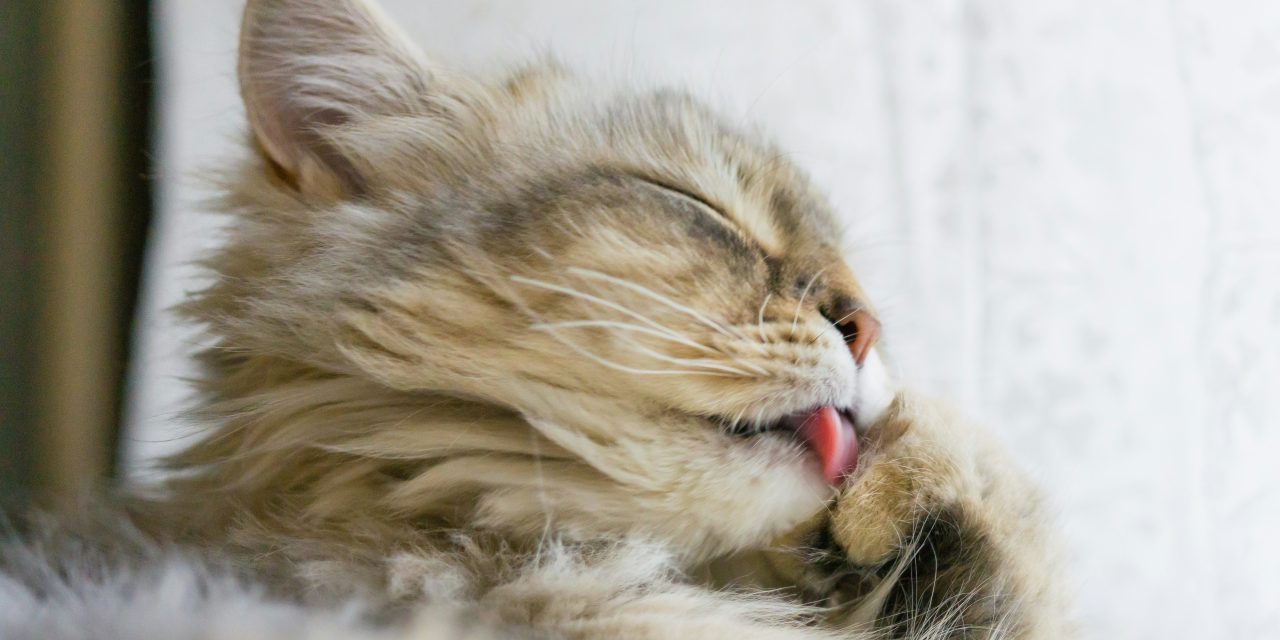
Cats are renowned for their meticulous grooming habits, which serve multiple purposes beyond mere cleanliness. Grooming is an instinctual behavior that plays a crucial role in a cat’s overall health and well-being. Typically, a cat will spend approximately 30-50% of its waking hours grooming itself. This behavior not only helps to remove dirt and debris from their fur but also aids in regulating body temperature and distributing natural oils across their coat, which keeps it healthy and shiny.
Moreover, grooming serves as a form of self-soothing for felines. The repetitive motion of licking can release endorphins, promoting a sense of calm and comfort. Cats also engage in social grooming, known as allogrooming, where they groom each other as a bonding activity. This behavior is particularly common among cats that share close relationships, reinforcing social structures within multi-cat households.
Common Reasons Cats Stop Grooming Themselves
When a cat suddenly ceases its grooming routine, it can be alarming for pet owners. Several factors may contribute to this change in behavior. One prevalent reason is the onset of physical discomfort or pain. Cats are adept at masking their pain, but if they experience discomfort due to an injury or underlying health issue, they may avoid grooming altogether.
Another common reason for a decline in grooming is stress or anxiety. Cats are creatures of habit, and any disruption in their environment—such as moving to a new home, the introduction of a new pet, or changes in their owner’s routine—can lead to behavioral changes, including neglecting grooming. Additionally, certain medical conditions can affect a cat’s motivation to groom, leading to noticeable changes in their grooming habits.
Health Issues That Affect Grooming Habits

Various health issues can significantly impact a cat’s grooming behavior. Conditions such as arthritis can cause pain and stiffness in joints, making it difficult for cats to reach certain areas of their bodies. This discomfort may lead to a noticeable decline in grooming frequency or thoroughness.
Skin conditions, such as dermatitis or infections, can also deter cats from grooming themselves. If a cat experiences itching or irritation, it may avoid grooming those areas altogether, leading to matted fur or skin infections. Additionally, dental problems can cause pain that affects a cat’s overall well-being, further contributing to changes in grooming habits.
The Role of Stress and Anxiety in Grooming Changes

Stress and anxiety are significant contributors to changes in grooming behavior among cats. Environmental factors such as loud noises, unfamiliar visitors, or changes in household dynamics can trigger anxiety responses in felines. When stressed, cats may exhibit behaviors such as excessive grooming (a form of displacement behavior) or, conversely, neglect grooming altogether.
Understanding the triggers of stress is essential for addressing these behavioral changes. Providing a safe space for your cat, utilizing pheromone diffusers, and maintaining a consistent routine can help alleviate anxiety. In some cases, behavioral therapy or medication may be necessary to manage severe anxiety issues effectively.
How Pain and Discomfort Influence Grooming
Pain is a significant factor that can inhibit a cat’s grooming habits. Cats are known for their stoic nature; they often hide signs of pain until it becomes severe. Conditions such as osteoarthritis or dental disease can lead to discomfort that makes grooming difficult or painful.
When cats experience pain, they may avoid certain positions or movements required for effective grooming. For instance, a cat with arthritis may struggle to reach its back or hindquarters, resulting in unkempt fur and potential skin issues due to lack of care. Identifying signs of pain—such as changes in posture, reluctance to jump or play, or vocalizations—can help owners recognize when their cat may need veterinary attention.
Impact of Aging on a Cat’s Grooming Routine
As cats age, their grooming habits often change due to various physiological factors. Older cats may experience decreased mobility due to arthritis or other age-related conditions, making it challenging for them to groom effectively. Additionally, the natural decline in muscle mass and flexibility can hinder their ability to reach certain areas of their bodies.
Cognitive decline is another factor that can affect grooming behavior in senior cats. Conditions such as feline cognitive dysfunction syndrome (CDS) can lead to confusion and disorientation, causing older cats to neglect their grooming routines. Regular veterinary check-ups are essential for monitoring the health of aging cats and addressing any issues that may arise.
Identifying Skin Conditions and Parasites
Skin conditions and parasites are common culprits behind changes in grooming behavior among cats. Fleas, ticks, and mites can cause intense itching and discomfort, leading cats to avoid grooming altogether or excessively groom affected areas. Identifying these parasites early is crucial for effective treatment.
Dermatological issues such as allergies or infections can also lead to changes in grooming habits. Symptoms may include redness, swelling, hair loss, or scabs on the skin. Regularly inspecting your cat’s skin and coat for abnormalities can help catch these issues early on. If you notice any concerning signs, consulting with a veterinarian is essential for proper diagnosis and treatment.
Nutritional Deficiencies and Their Effects on Grooming
A well-balanced diet is vital for maintaining a cat’s overall health and grooming habits. Nutritional deficiencies can lead to poor coat quality and changes in grooming behavior. For instance, insufficient levels of essential fatty acids can result in dry skin and dull fur, making grooming less effective.
Cats require specific nutrients such as proteins, vitamins (particularly B vitamins), and minerals for optimal coat health. A diet lacking these essential components can lead to excessive shedding or matting of fur. Ensuring your cat receives high-quality nutrition tailored to its age and health status is crucial for promoting healthy grooming behaviors.
Behavioral Problems Leading to Grooming Neglect
Behavioral issues can also contribute to a decline in grooming habits among cats. Conditions such as feline hyperesthesia syndrome (FHS) can cause excessive grooming due to heightened sensitivity to touch or movement. Conversely, some cats may develop compulsive behaviors that lead them to neglect grooming altogether.
Understanding the underlying causes of these behavioral problems is essential for effective intervention. Providing enrichment activities, interactive playtime, and mental stimulation can help alleviate boredom and reduce stress-related behaviors that impact grooming.
When to Consult a Veterinarian About Grooming Concerns
If you notice significant changes in your cat’s grooming habits—such as excessive neglect or compulsive grooming—it’s crucial to consult with a veterinarian promptly. A thorough examination can help identify underlying health issues that may be contributing to these changes.
Veterinarians may recommend diagnostic tests such as blood work or skin scrapings to determine the root cause of the problem. Early intervention is key; addressing health concerns promptly can prevent further complications and improve your cat’s quality of life.
Tips to Encourage Your Cat to Resume Grooming
Encouraging your cat to resume its grooming routine involves creating a supportive environment that promotes comfort and reduces stress. Here are several strategies:
1. **Regular Brushing**: Engage in regular brushing sessions with your cat using appropriate tools for its coat type. This not only helps remove loose fur but also stimulates natural oils on the skin.
2. **Create a Calm Environment**: Minimize stressors by providing a quiet space where your cat feels safe and secure.
3. **Pheromone Products**: Consider using pheromone diffusers or sprays designed to reduce anxiety in cats.
4. **Routine Veterinary Check-ups**: Schedule regular veterinary visits to monitor your cat’s health and address any emerging issues promptly.
5. **Dietary Adjustments**: Ensure your cat receives a balanced diet rich in essential nutrients that support coat health.
In conclusion, understanding the multifaceted reasons behind changes in a cat’s grooming behavior is essential for maintaining its overall health and well-being. By recognizing the signs of potential issues—ranging from health concerns to behavioral problems—pet owners can take proactive steps toward ensuring their feline companions remain happy and healthy throughout their lives. Regular veterinary care combined with attentive observation will empower owners to address any concerns effectively while fostering an environment conducive to healthy grooming habits.
FAQs
What are some common reasons why a cat may stop grooming itself?
Cats may stop grooming themselves due to various reasons, including health issues such as dental pain, arthritis, skin conditions, or obesity. Stress or behavioral changes can also lead to a decrease in grooming habits. Additionally, older cats may have reduced mobility, making it difficult for them to groom effectively.
How can I tell if my cat’s lack of grooming is a health issue?
Signs that your cat’s lack of grooming may be health-related include noticeable changes in their coat, such as matting or excessive dirt, as well as behavioral changes like lethargy or decreased appetite. If your cat is also showing signs of pain, such as sensitivity when touched or difficulty moving, it is important to consult a veterinarian.
Can stress or anxiety cause a cat to stop grooming?
Yes, stress or anxiety can significantly impact a cat’s grooming habits. Changes in their environment, such as moving to a new home, the introduction of new pets, or changes in routine can lead to stress. Cats may respond to stress by grooming less or even developing compulsive grooming behaviors.
What should I do if my cat has stopped grooming?
If your cat has stopped grooming, it is essential to observe their overall behavior and health. Schedule a visit to the veterinarian to rule out any underlying medical conditions. Additionally, ensure that your cat’s environment is calm and stress-free, and consider providing enrichment activities to help alleviate anxiety.
Are there any specific grooming products that can help my cat?
While it’s important to address the underlying cause of your cat’s grooming issues, certain grooming products can help maintain their coat. Cat-friendly brushes, grooming wipes, and waterless shampoos can assist in keeping their fur clean. However, these should not replace regular grooming habits, and consulting a veterinarian is advisable for tailored recommendations.