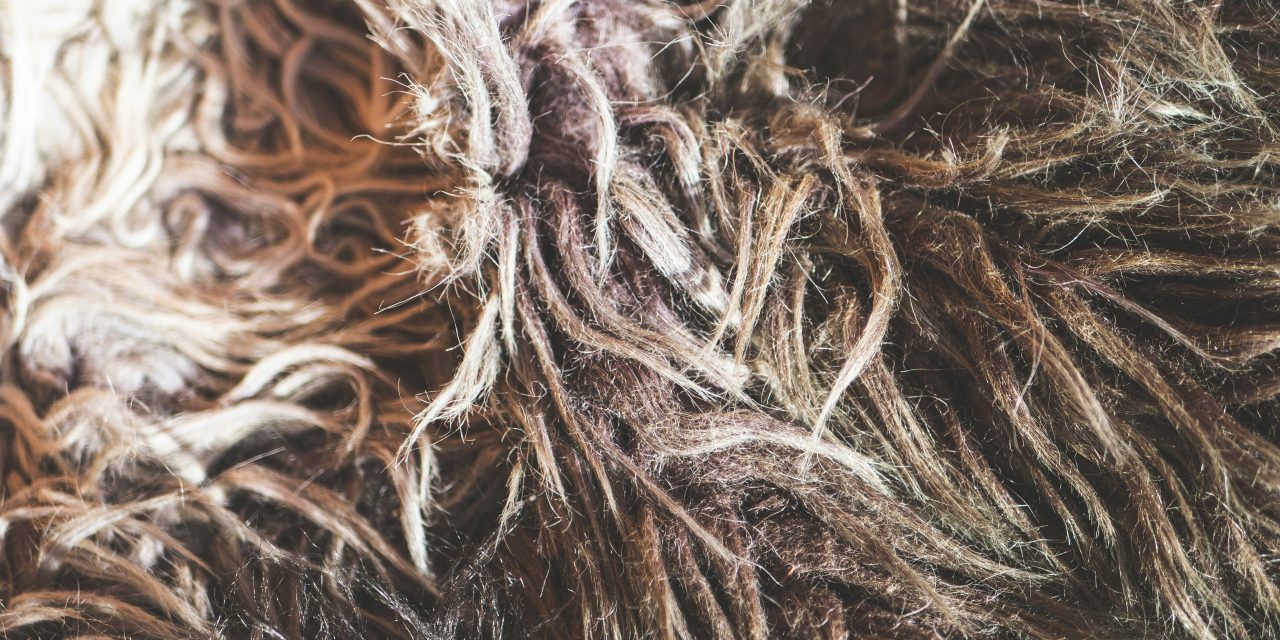
Double-coated dog breeds possess a unique fur structure that consists of two distinct layers: the undercoat and the outer coat. The undercoat is typically soft and dense, providing insulation and warmth, while the outer coat is coarser and serves as a protective barrier against environmental elements. Breeds such as the Siberian Husky, Alaskan Malamute, and Golden Retriever exemplify this coat type, which is particularly advantageous for survival in harsh climates. The dual-layered coat not only aids in temperature regulation but also plays a crucial role in protecting the skin from UV rays and abrasions.
Understanding the characteristics of double-coated breeds is essential for pet owners, as these dogs require specific care to maintain their coat health. The undercoat undergoes seasonal shedding, which can lead to significant fur loss if not managed properly. This shedding cycle is influenced by various factors, including climate, health, and hormonal changes. Owners must be prepared to address these needs through appropriate grooming practices and environmental adjustments to ensure their pets remain comfortable and healthy.
The Science Behind Shedding in Double-Coated Dogs
Shedding in double-coated dogs is a natural physiological process that occurs as a result of the hair growth cycle. Each hair follicle goes through three phases: anagen (growth), catagen (transitional), and telogen (resting). During the telogen phase, hairs are shed to make way for new growth. In double-coated breeds, this process can be particularly pronounced due to the presence of two layers of fur. The undercoat is more prone to seasonal shedding, which can occur twice a year—typically in spring and fall—as dogs transition between their winter and summer coats.
Hormonal fluctuations, environmental factors, and overall health can significantly influence shedding patterns. For instance, increased daylight during spring can trigger hormonal changes that stimulate shedding. Additionally, stressors such as changes in routine or diet can exacerbate shedding. Understanding these underlying mechanisms allows pet owners to better manage their dog’s shedding and implement strategies to minimize fur loss.
Importance of Regular Grooming

Regular grooming is paramount for maintaining the health of double-coated breeds. Grooming not only helps control shedding but also promotes skin health by removing dirt, debris, and dead hair that can accumulate in the coat. This practice stimulates blood circulation and distributes natural oils throughout the fur, enhancing its luster and softness. Moreover, grooming sessions provide an opportunity for owners to inspect their dog’s skin for any signs of irritation, parasites, or infections.
In addition to aesthetic benefits, grooming serves as a bonding experience between the dog and owner. Establishing a routine can help dogs become accustomed to handling, making veterinary visits and other care procedures less stressful. Regular grooming also allows owners to monitor their pet’s overall health, ensuring that any potential issues are addressed promptly.
Choosing the Right Brush for Your Dog’s Coat

Selecting the appropriate brush for a double-coated dog is crucial for effective grooming. Different brushes serve various purposes based on coat type and length. For instance, an undercoat rake is ideal for removing loose undercoat fur without damaging the outer coat. This tool features long teeth that penetrate deep into the undercoat, effectively loosening trapped hair.
A slicker brush is another valuable tool for double-coated breeds, designed to remove tangles and mats from the outer coat while also capturing loose hairs. For dogs with longer fur, a pin brush may be beneficial for detangling and smoothing the coat. It is essential to choose brushes that are gentle on the skin to prevent irritation or discomfort during grooming sessions.
Bathing Techniques to Minimize Shedding
Bathing can play a significant role in managing shedding in double-coated dogs. However, it is essential to approach bathing with care to avoid stripping the coat of its natural oils. Using a high-quality dog shampoo formulated for double-coated breeds can help maintain coat health while effectively cleaning the fur.
When bathing a double-coated dog, it is advisable to use lukewarm water and ensure thorough rinsing to remove all shampoo residue. After bathing, gently towel-dry the dog before using a blow dryer on a low setting to avoid overheating the skin. This process helps remove loose hairs while keeping the coat healthy and hydrated.
Diet and Nutrition Tips to Promote Healthy Fur
A well-balanced diet plays a pivotal role in maintaining a double-coated dog’s coat health. Nutritional deficiencies can lead to dry skin and excessive shedding. Owners should prioritize high-quality dog food that contains essential fatty acids, such as omega-3 and omega-6, which promote healthy skin and fur.
Incorporating supplements like fish oil or flaxseed oil can further enhance coat quality. Additionally, ensuring adequate hydration is vital for maintaining skin elasticity and preventing dryness. Fresh water should always be available to keep your dog hydrated and support overall health.
Seasonal Shedding Patterns and How to Manage Them
Double-coated dogs typically experience seasonal shedding patterns that coincide with changes in temperature and daylight hours. In spring, dogs shed their dense winter undercoat to prepare for warmer weather, while in fall, they grow a thicker undercoat in anticipation of colder temperatures. Understanding these cycles allows owners to anticipate increased shedding periods and take proactive measures.
To manage seasonal shedding effectively, owners should increase grooming frequency during these times. Daily brushing can help remove loose fur before it spreads throughout the home. Additionally, maintaining a consistent bathing schedule during shedding seasons can help control loose hair while keeping the coat clean and healthy.
Using Deshedding Tools Effectively
Deshedding tools are specifically designed to tackle excessive shedding in double-coated breeds. These tools often feature stainless steel blades or combs that effectively remove loose undercoat fur without damaging the outer layer. When using deshedding tools, it is essential to follow proper techniques to maximize effectiveness while minimizing discomfort for the dog.
Begin by brushing in sections, starting from the neck and working your way down to the tail. Use gentle pressure and short strokes to avoid pulling on the dog’s skin. Regular use of deshedding tools can significantly reduce loose hair around the home while promoting a healthier coat.
Creating a Shedding Control Routine
Establishing a shedding control routine is vital for managing fur loss in double-coated dogs effectively. This routine should include regular grooming sessions at least once or twice a week, with increased frequency during shedding seasons. Incorporating bathing into this routine every four to six weeks can help maintain coat cleanliness while minimizing loose hair.
Additionally, owners should monitor their dog’s diet and hydration levels as part of this routine. Keeping track of any changes in shedding patterns or skin condition will allow for timely interventions if issues arise. Consistency is key; adhering to this routine will yield better results over time.
When to Consult a Veterinarian About Excessive Shedding
While shedding is a natural process for double-coated dogs, excessive or sudden changes in shedding patterns may indicate underlying health issues that require veterinary attention. Conditions such as allergies, hormonal imbalances, or skin infections can contribute to abnormal shedding rates.
If you notice your dog experiencing bald patches, inflamed skin, or excessive itching alongside increased shedding, it is crucial to consult a veterinarian promptly. A thorough examination may reveal underlying conditions that require treatment or management strategies tailored to your dog’s specific needs.
Additional Home Remedies and Preventative Measures
In addition to grooming and dietary considerations, several home remedies can help manage shedding in double-coated breeds effectively. Regularly vacuuming your home and using lint rollers can help control loose hair accumulation on furniture and clothing. Additionally, using air purifiers can reduce airborne allergens that may exacerbate shedding.
Natural remedies such as coconut oil can be applied topically to promote skin hydration and reduce dryness that contributes to excessive shedding. Furthermore, ensuring your dog receives regular exercise can improve overall health and reduce stress-related shedding.
In summary, understanding double-coated dog breeds involves recognizing their unique grooming needs due to their dual-layered coats. Shedding is a natural process influenced by various factors; thus, regular grooming is essential for maintaining coat health. Choosing appropriate grooming tools, implementing effective bathing techniques, providing proper nutrition, managing seasonal shedding patterns, utilizing deshedding tools effectively, creating a consistent routine, consulting veterinarians when necessary, and exploring home remedies are all integral components of effective shedding management strategies for double-coated breeds. By adopting these practices, pet owners can ensure their furry companions remain healthy and comfortable throughout their lives.
FAQs
What are double-coated dogs?
Double-coated dogs have two layers of fur: a soft, insulating undercoat and a longer, protective outer coat. This coat structure helps regulate their body temperature and provides protection against various weather conditions.
Why do double-coated dogs shed?
Double-coated dogs shed to remove dead hair and to prepare for seasonal changes in temperature. Shedding is a natural process that helps maintain a healthy coat and skin, allowing for new hair growth.
How often should I groom my double-coated dog to reduce shedding?
It is recommended to groom double-coated dogs at least once a week, but during shedding seasons (spring and fall), more frequent grooming—up to several times a week—can help manage loose fur and reduce shedding.
What grooming tools are best for reducing shedding in double-coated dogs?
Tools such as an undercoat rake, slicker brush, and deshedding tool are effective for managing shedding in double-coated dogs. These tools help remove loose hair from the undercoat and prevent matting in the outer coat.
Are there any dietary changes that can help reduce shedding in double-coated dogs?
Yes, a balanced diet rich in omega-3 and omega-6 fatty acids can promote healthy skin and coat, potentially reducing shedding. Consult with a veterinarian for specific dietary recommendations tailored to your dog’s needs.