Indoor cats have unique requirements that differ significantly from their outdoor counterparts. Understanding these needs is crucial for ensuring their physical and mental well-being. Unlike outdoor cats, which can roam freely and engage in natural hunting behaviors, indoor cats often face limitations that can lead to boredom, anxiety, and behavioral issues. It is essential to recognize that indoor cats still possess strong instincts that need to be fulfilled through various forms of enrichment.
One of the primary needs of indoor cats is mental stimulation. Cats are naturally curious creatures, and without adequate stimulation, they may resort to destructive behaviors or develop health issues such as obesity. Providing an environment that caters to their instincts—such as climbing, scratching, and hunting—is vital for their overall happiness. Additionally, social interaction plays a significant role in their emotional health. Cats thrive on companionship, whether it be with humans or other pets, and fostering these relationships can greatly enhance their quality of life.
Creating a Stimulating Environment
Creating a stimulating environment for indoor cats involves more than just providing food and shelter; it requires thoughtful consideration of their natural behaviors and preferences. A well-designed living space should incorporate various elements that encourage exploration and play. This can include a combination of hiding spots, climbing structures, and interactive areas where cats can engage in their instinctual behaviors.
Incorporating diverse textures and surfaces is also essential. Cats enjoy scratching, climbing, and lounging on different materials. Providing scratching posts made from sisal, cardboard, or wood can satisfy their need to scratch while protecting furniture. Additionally, creating cozy hideaways using boxes or cat tunnels can offer them a sense of security and a place to retreat when they feel overwhelmed. By thoughtfully arranging the living space, owners can create an enriching environment that promotes physical activity and mental engagement.
Providing Interactive Toys and Puzzles

Interactive toys and puzzles are invaluable tools for enriching the lives of indoor cats. These toys stimulate their minds and encourage physical activity by mimicking hunting scenarios. Toys that dispense treats or require problem-solving skills can keep cats engaged for extended periods. For instance, puzzle feeders challenge cats to work for their food, promoting both mental stimulation and healthy eating habits.
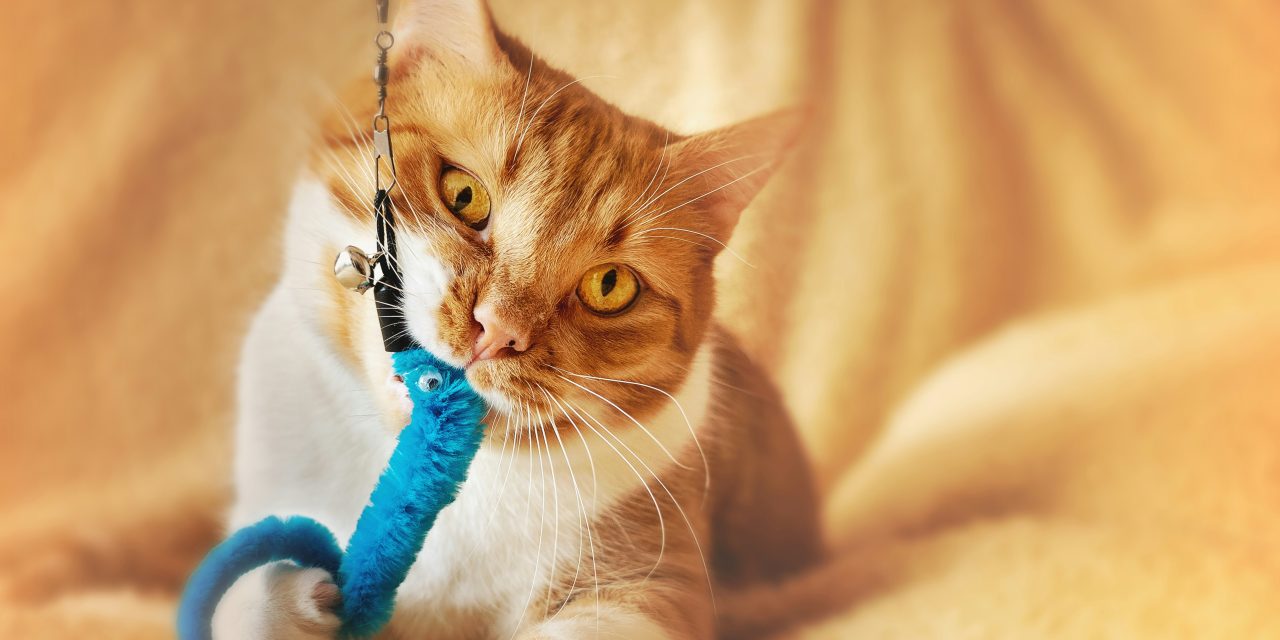
When selecting interactive toys, it is essential to consider the individual preferences of each cat. Some may prefer toys that mimic prey, such as feather wands or laser pointers, while others may enjoy toys that make noise or have unique textures. Rotating these toys regularly can prevent boredom and maintain their interest. By providing a variety of interactive options, owners can ensure that their feline companions remain mentally stimulated and physically active.
Establishing a Playtime Routine

Establishing a consistent playtime routine is crucial for indoor cats’ physical and mental health. Regular play sessions not only provide exercise but also strengthen the bond between the cat and its owner. Cats are creatures of habit, and having a predictable schedule can help them feel secure and reduce anxiety.
During playtime, it is essential to engage in activities that mimic natural hunting behaviors. Using toys that allow for chasing, pouncing, and stalking can tap into their instincts and provide an outlet for pent-up energy. Owners should aim for at least 15-30 minutes of interactive play each day, adjusting the duration based on the cat’s age and energy level. By incorporating play into their daily routine, owners can help prevent behavioral issues while promoting a healthy lifestyle.
Incorporating Vertical Spaces and Climbing Areas
Vertical spaces are an often-overlooked aspect of indoor cat enrichment. Cats are natural climbers, and providing them with opportunities to ascend can significantly enhance their environment. Cat trees, shelves, or wall-mounted perches allow cats to explore their surroundings from different heights while satisfying their instinctual desire to climb.
Incorporating vertical spaces not only provides physical exercise but also creates a sense of security for cats. Elevated areas allow them to observe their environment from a safe vantage point, reducing stress and anxiety. When designing vertical spaces, it is essential to ensure stability and safety to prevent accidents. By offering a variety of climbing options, owners can create an engaging environment that caters to their feline companions’ natural instincts.
Using Window Perches for Outdoor Views
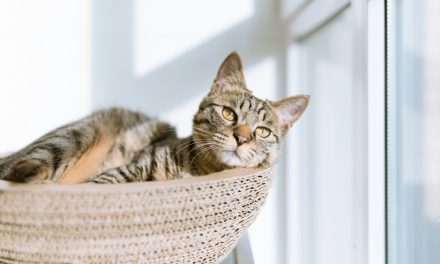
Window perches are an excellent addition to any indoor cat’s environment, providing them with a front-row seat to the outside world. Cats are naturally curious animals, and watching birds, squirrels, or passing cars can provide endless entertainment. A well-placed window perch allows them to bask in sunlight while observing the activity outside.
When selecting a window perch, it is crucial to ensure it is securely mounted and safe for the cat to use. Some perches come with adjustable heights or can be easily removed for cleaning purposes. Additionally, providing access to fresh air through open windows (with screens) can enhance their sensory experience. By incorporating window perches into their living space, owners can enrich their indoor cats’ lives while satisfying their curiosity about the outside world.
Introducing Safe and Engaging Catnip Activities
Catnip is a well-known herb that many cats find irresistible due to its psychoactive properties. Introducing safe and engaging catnip activities can provide an additional layer of enrichment for indoor cats. Catnip-infused toys or scratching posts can stimulate playful behavior and encourage exercise.
However, not all cats respond to catnip; sensitivity varies among individuals due to genetic factors. For those who do enjoy it, rotating catnip toys or offering fresh catnip in different forms—such as sprays or dried leaves—can keep their interest piqued. Additionally, incorporating catnip into playtime routines can enhance engagement during interactive sessions. By utilizing catnip effectively, owners can create enjoyable experiences that promote physical activity and mental stimulation.
Encouraging Social Interaction and Bonding
Social interaction is vital for the emotional well-being of indoor cats. While some cats may be more independent than others, fostering social bonds with humans or other pets can significantly enhance their quality of life. Engaging in gentle petting sessions or interactive playtime helps build trust and strengthens the bond between owner and cat.
Introducing new pets into the household should be done gradually to ensure a smooth transition. Providing separate spaces initially allows both animals to acclimate to each other’s presence without feeling threatened. Positive reinforcement techniques—such as treats or praise—can encourage friendly interactions between pets over time. By prioritizing social interaction, owners can create a nurturing environment that supports their cats’ emotional health.
Rotating Toys to Maintain Interest
Cats are known for their short attention spans; therefore, rotating toys regularly is an effective strategy for maintaining interest in playtime activities. By periodically introducing new toys or rediscovering old favorites, owners can keep their feline companions engaged and excited about play.
A simple rotation system involves grouping toys into categories based on type or function—such as interactive toys, plush toys, or puzzle feeders—and swapping them out every few weeks. This approach prevents boredom while ensuring that each toy remains novel when reintroduced. Additionally, observing which toys elicit the most enthusiasm can help owners tailor future rotations to suit their cats’ preferences better.
Offering Varied and Enriching Feeding Experiences
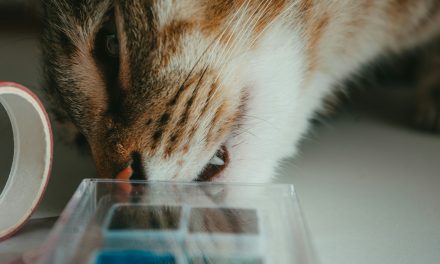
Feeding time presents an excellent opportunity for enrichment beyond simply providing food in a bowl. Offering varied feeding experiences can stimulate a cat’s natural hunting instincts while promoting mental engagement during mealtime. Puzzle feeders or treat-dispensing toys encourage cats to work for their food, mimicking the effort required in the wild.
Additionally, incorporating different feeding methods—such as scatter feeding or hiding treats around the house—can turn mealtime into an engaging activity rather than a mundane task. This approach not only promotes physical activity but also helps prevent obesity by encouraging slower eating habits. By diversifying feeding experiences, owners can enhance their indoor cats’ overall well-being.
Monitoring Behavior and Adjusting Enrichment Strategies
Monitoring behavior is essential for understanding how well enrichment strategies are working for indoor cats. Observing changes in activity levels, playfulness, or social interactions can provide valuable insights into their emotional state and overall health. If a cat exhibits signs of boredom or stress—such as excessive grooming or aggression—it may be necessary to adjust enrichment strategies accordingly.
Regularly assessing the effectiveness of various enrichment activities allows owners to tailor experiences based on individual preferences and needs. This may involve introducing new toys, altering playtime routines, or enhancing social interactions with other pets or humans. By remaining attentive to behavioral cues and making necessary adjustments, owners can create an enriching environment that supports their indoor cats’ physical and emotional well-being.
In summary, understanding the unique needs of indoor cats is crucial for promoting their overall health and happiness. By creating stimulating environments filled with interactive toys, establishing consistent play routines, incorporating vertical spaces, utilizing window perches for outdoor views, introducing engaging catnip activities, encouraging social interaction, rotating toys regularly, offering varied feeding experiences, and monitoring behavior closely—owners can significantly enhance the quality of life for their feline companions. Through thoughtful enrichment strategies tailored to individual preferences, indoor cats can thrive in a fulfilling and engaging environment that caters to their natural instincts.
FAQs
What are some effective ways to provide mental stimulation for an indoor cat?
Indoor cats can benefit from various forms of mental stimulation, such as interactive toys, puzzle feeders, and treat-dispensing toys. Engaging them in playtime with feather wands or laser pointers can also keep their minds active. Additionally, rotating toys regularly can maintain their interest and curiosity.
How important is playtime for indoor cats?
Playtime is crucial for indoor cats as it helps them expend energy, reduces boredom, and prevents behavioral issues. Regular play sessions can also strengthen the bond between the cat and its owner, making it an essential part of their daily routine.
Can indoor cats benefit from having climbing structures?
Yes, indoor cats greatly benefit from climbing structures such as cat trees or shelves. These structures provide them with opportunities to climb, explore, and observe their environment from different heights, which can mimic their natural instincts and behaviors.
What role does environmental enrichment play in keeping indoor cats happy?
Environmental enrichment is vital for indoor cats as it enhances their quality of life. This can include providing scratching posts, hiding spots, and safe access to windows for bird-watching. A stimulating environment helps prevent boredom and encourages natural behaviors, contributing to their overall happiness.
How can I tell if my indoor cat is bored or unhappy?
Signs that an indoor cat may be bored or unhappy include excessive sleeping, lack of interest in play, destructive behavior, or changes in eating habits. If a cat is vocalizing more than usual or displaying aggression, these can also be indicators of stress or dissatisfaction with their environment.