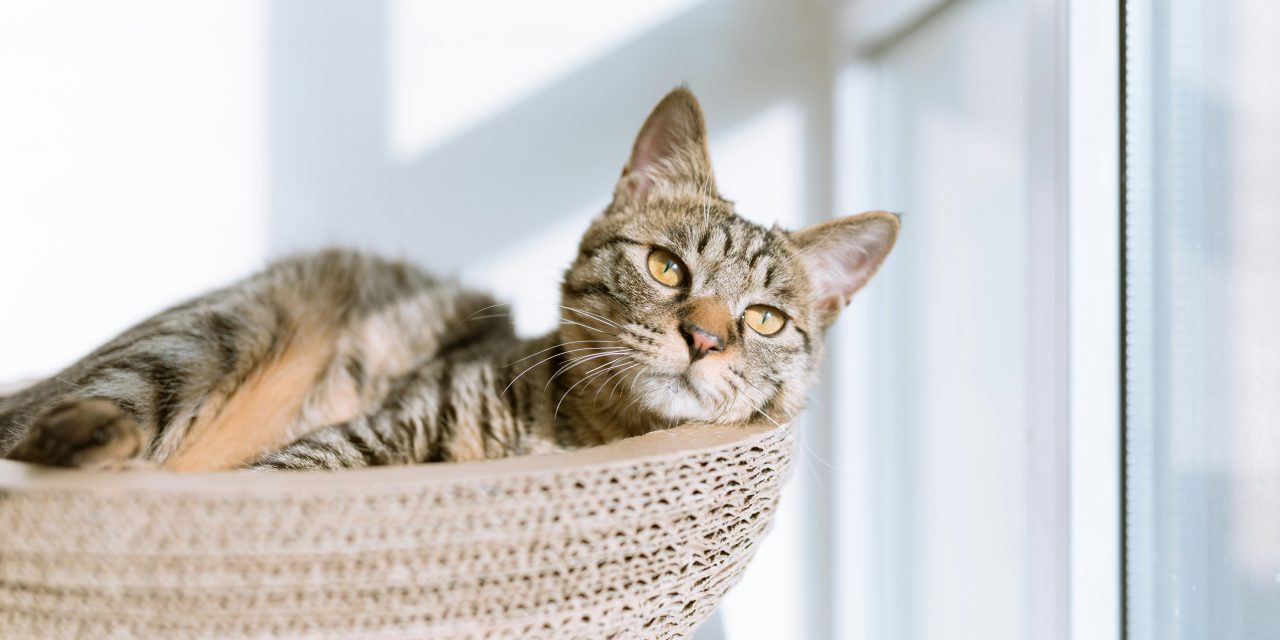
Feline anxiety is a complex behavioral condition that can manifest in various forms, including excessive vocalization, hiding, aggression, or inappropriate elimination. Understanding the underlying causes of anxiety in cats is crucial for effective management. Factors such as changes in the environment, introduction of new pets, loud noises, or even alterations in routine can trigger stress responses. Cats are creatures of habit, and any disruption to their established patterns can lead to heightened anxiety levels.
Recognizing the signs of anxiety is essential for pet owners. Symptoms may include pacing, excessive grooming, loss of appetite, or withdrawal from social interactions. It is important to differentiate between normal behavioral changes and those indicative of anxiety disorders. By observing your cat’s behavior closely, you can identify triggers and develop strategies to alleviate their distress. Understanding your cat’s unique personality and preferences will also aid in tailoring an approach that suits their needs.
Preparing the Carrier in Advance
One of the most significant stressors for cats is the carrier, often associated with trips to the veterinarian or other stressful experiences. To mitigate this anxiety, it is essential to prepare the carrier well in advance of any travel. Start by selecting a comfortable and spacious carrier that allows your cat to stand, turn around, and lie down comfortably. Familiarizing your cat with the carrier can help reduce their apprehension.
Introduce the carrier gradually by placing it in a familiar area of your home. Encourage your cat to explore it by leaving the door open and placing their favorite blanket or toys inside. You can also use treats to create positive associations with the carrier. Over time, your cat will begin to view the carrier as a safe space rather than a source of anxiety. This proactive approach can significantly reduce stress during travel.
Using Familiar Scents to Comfort Your Cat

Cats rely heavily on their sense of smell, which plays a vital role in their emotional well-being. Utilizing familiar scents can provide comfort and reassurance during stressful situations. Consider using items that carry your cat’s scent, such as their bedding or toys, when preparing for travel or introducing changes in their environment.
Additionally, you can use synthetic pheromone products designed to mimic the calming scents produced by cats. These pheromones can help create a sense of security and reduce anxiety levels. Spraying these products in the carrier or around your home can promote relaxation and alleviate stress during challenging times.
Creating a Calm Environment at Home

A serene home environment is crucial for managing feline anxiety. Begin by minimizing loud noises and sudden disruptions that may startle your cat. Creating designated quiet spaces where your cat can retreat when feeling overwhelmed is essential. These areas should be equipped with comfortable bedding, toys, and access to food and water.
Consider using soft lighting and calming colors in your home decor to promote relaxation. Additionally, maintaining a consistent routine can help your cat feel more secure. Feeding, playtime, and other daily activities should occur at regular intervals to establish predictability in their environment.
Gentle Handling Techniques
When interacting with an anxious cat, employing gentle handling techniques is paramount. Approach your cat slowly and calmly, allowing them to come to you on their terms. Avoid sudden movements or loud noises that may startle them further. Use soothing tones when speaking to your cat to convey a sense of safety.
When picking up your cat, support their body properly by cradling them securely without applying excessive pressure. This gentle handling fosters trust and helps reduce anxiety during necessary interactions, such as vet visits or grooming sessions.
Playing Soothing Music or White Noise
Auditory stimuli can significantly impact a cat’s emotional state. Playing soothing music or white noise can create a calming atmosphere that helps alleviate anxiety. Research has shown that certain types of music, particularly classical compositions with slow tempos, can have a relaxing effect on cats.
White noise machines can also be beneficial in masking sudden sounds that may trigger anxiety responses. By providing a consistent auditory backdrop, you can help your cat feel more secure and relaxed in their environment.
Utilizing Calming Sprays and Diffusers
Calming sprays and diffusers containing synthetic pheromones are effective tools for managing feline anxiety. These products work by releasing calming scents into the environment, mimicking the natural pheromones produced by cats during relaxed states. Using these sprays in areas where your cat spends time can create a soothing atmosphere.
Diffusers are particularly useful for providing continuous pheromone release over an extended period. Placing a diffuser in common areas of your home can help maintain a tranquil environment and reduce overall anxiety levels for your feline companion.
Offering Treats and Positive Reinforcement
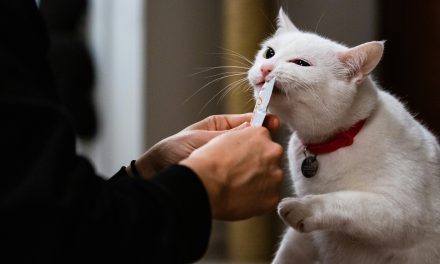
Positive reinforcement is a powerful tool for modifying behavior and reducing anxiety in cats. Offering treats during calm moments or after successful interactions can help create positive associations with previously stressful situations. For example, rewarding your cat with treats when they enter the carrier voluntarily reinforces this behavior.
Incorporating interactive play sessions with toys that stimulate your cat’s natural hunting instincts can also serve as a form of positive reinforcement. Engaging in playtime not only distracts from anxiety but also strengthens the bond between you and your feline friend.
Scheduling Vet Visits During Quiet Hours
Timing is crucial when it comes to minimizing stress during veterinary visits. Scheduling appointments during quieter hours at the clinic can significantly reduce anxiety levels for both you and your cat. Fewer people and animals in the waiting area create a more serene environment, allowing your cat to feel less threatened.
Additionally, informing the veterinary staff about your cat’s anxiety can lead to tailored approaches during examinations or treatments. They may offer suggestions for calming techniques or provide additional support during the visit.
Considering Natural Supplements or Medications
In some cases, natural supplements or medications may be necessary to manage severe anxiety in cats effectively. Various products are available that contain ingredients such as L-theanine, valerian root, or chamomile, which have calming properties. These supplements can be administered orally or added to food.
If natural remedies prove insufficient, consulting with a veterinarian about prescription medications may be warranted. Common medications prescribed for feline anxiety include selective serotonin reuptake inhibitors (SSRIs) like fluoxetine or clomipramine, which help regulate mood and reduce anxiety symptoms.
Consulting Your Veterinarian for Additional Tips
When dealing with feline anxiety, consulting with a veterinarian is essential for developing an effective management plan tailored to your cat’s specific needs. Your veterinarian can provide valuable insights into behavioral modifications, recommend appropriate products, and discuss potential medical interventions if necessary.
Regular follow-ups with your veterinarian will ensure that any changes in behavior are monitored closely and adjustments to treatment plans are made as needed. Collaborating with a professional will empower you to provide the best possible care for your anxious feline companion.
In summary, understanding feline anxiety involves recognizing its signs and triggers while implementing strategies to create a calm environment for your cat. Preparing the carrier in advance, utilizing familiar scents, and employing gentle handling techniques are essential steps in reducing stress during travel or vet visits. Additionally, playing soothing music, using calming sprays, offering treats as positive reinforcement, scheduling appointments during quiet hours, considering natural supplements or medications, and consulting with a veterinarian will further enhance your ability to manage your cat’s anxiety effectively. By taking these proactive measures, you can foster a sense of security and well-being for your beloved feline friend.
FAQs
Why is my cat anxious before a vet visit?
Cats are often anxious before vet visits due to unfamiliar environments, strange smells, and the presence of other animals. They may also associate the vet with negative experiences, such as vaccinations or examinations, which can heighten their stress levels.
What can I do to prepare my cat for a vet visit?
To prepare your cat, you can acclimate them to their carrier by leaving it out in a familiar space, allowing them to explore it. You can also practice short car rides to help them get used to traveling. Additionally, using calming pheromones or sprays can help reduce anxiety.
Should I feed my cat before the vet visit?
It is generally recommended to feed your cat a light meal before the visit, as this can help prevent nausea during travel. However, if your cat is scheduled for a procedure that requires anesthesia, you should follow your vet’s instructions regarding fasting.
What calming products can I use for my cat?
There are several calming products available for cats, including pheromone diffusers, calming collars, and herbal supplements. Always consult your veterinarian before using any new products to ensure they are safe and appropriate for your cat.
How can I keep my cat calm during the vet visit?
During the vet visit, you can help keep your cat calm by speaking softly and reassuringly. Bringing along a favorite blanket or toy can provide comfort. Additionally, allowing your cat to explore the examination room while on a leash can help them feel more secure.