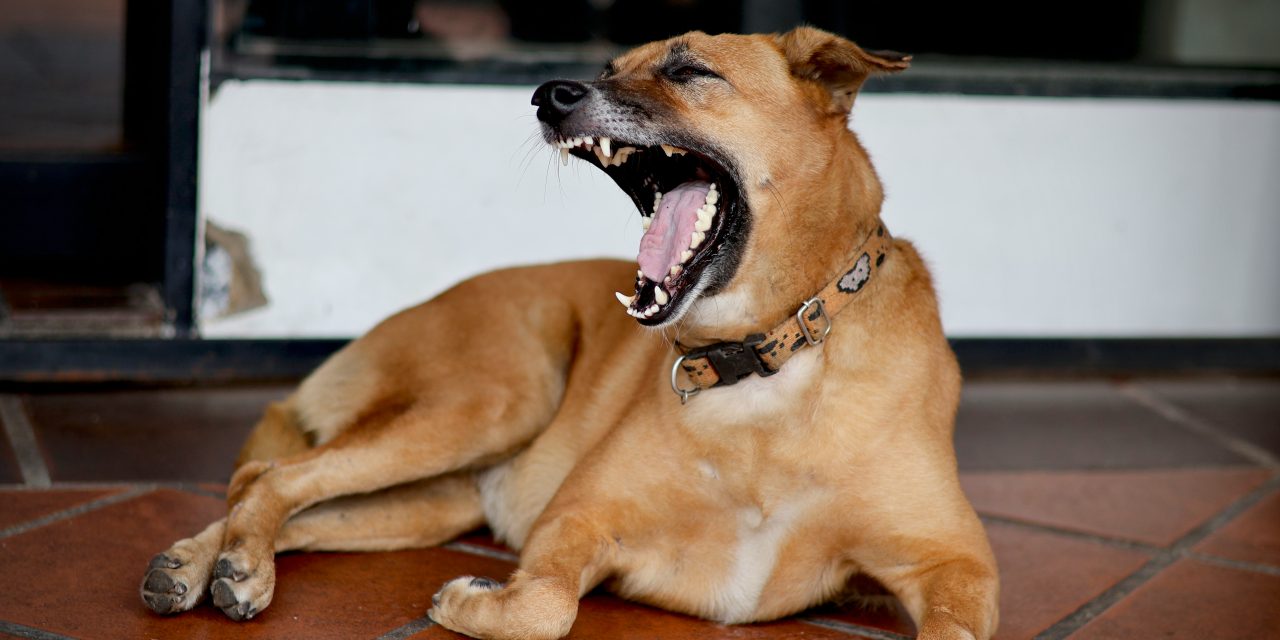
Separation anxiety is a prevalent behavioral disorder in canines, characterized by excessive distress when a dog is left alone or separated from its owner. This condition can manifest in various ways, including destructive behaviors, vocalizations, and inappropriate elimination. The emotional turmoil experienced by these dogs can lead to significant distress not only for the pet but also for the owner, creating a challenging dynamic that requires understanding and intervention.
The underlying mechanisms of separation anxiety are complex and often rooted in a dog’s attachment to its owner. Dogs are inherently social animals, and their reliance on human companionship can lead to heightened anxiety when they perceive a threat to that bond. This condition is not merely a phase; it can escalate if left unaddressed, leading to chronic stress and behavioral issues that may require professional intervention.
Common Signs and Symptoms of Separation Anxiety
Identifying separation anxiety in dogs involves recognizing a range of behavioral indicators. Common signs include excessive barking or howling, destructive chewing or digging, and attempts to escape from confinement. These behaviors typically occur shortly after the owner leaves and can persist for hours, indicating the dog’s distress.
In addition to these overt behaviors, dogs may exhibit more subtle signs of anxiety. These can include pacing, drooling, panting, and even self-harm through excessive licking or biting. Some dogs may also display signs of depression or lethargy when their owners are home, indicating an underlying emotional struggle. Understanding these symptoms is crucial for pet owners to differentiate between normal canine behavior and signs of distress that require intervention.
Differentiating Separation Anxiety from Other Behavioral Issues

It is essential to distinguish separation anxiety from other behavioral problems that may present similarly. For instance, barking can also be a sign of boredom or lack of exercise, while destructive behavior might stem from teething or lack of appropriate chew toys. A thorough assessment of the dog’s behavior in various contexts is necessary to accurately diagnose separation anxiety.
Veterinarians and behaviorists often utilize specific criteria to differentiate separation anxiety from other issues. For example, if a dog exhibits destructive behavior only when left alone but is calm when the owner is present, this may indicate separation anxiety. Conversely, if the dog displays similar behaviors regardless of the owner’s presence, it may suggest other underlying issues such as boredom or lack of training.
Causes and Risk Factors of Separation Anxiety in Dogs

Several factors contribute to the development of separation anxiety in dogs. One significant cause is a traumatic experience associated with being left alone, such as abandonment or a sudden change in the owner’s routine. Additionally, dogs that have experienced multiple changes in ownership or have been adopted from shelters may be more susceptible to developing this condition.
Certain breeds are also predisposed to separation anxiety due to their temperament and attachment styles. Breeds such as Labrador Retrievers, German Shepherds, and Cavalier King Charles Spaniels are known for their strong bonds with humans and may exhibit heightened anxiety when separated. Furthermore, age plays a role; puppies and younger dogs are often more prone to developing separation anxiety as they adjust to their new environments.
The Role of Breed, Age, and Environment
The interplay between breed, age, and environment significantly influences the likelihood of developing separation anxiety. For instance, breeds known for their loyalty and companionship may struggle more with solitude than independent breeds. Additionally, puppies that have not been adequately socialized during critical developmental periods may develop anxiety-related behaviors as they mature.
Environmental factors also play a crucial role in shaping a dog’s emotional well-being. A chaotic household with frequent changes or disruptions can exacerbate feelings of insecurity in dogs. Conversely, a stable environment with consistent routines can help mitigate anxiety symptoms. Owners should strive to create an environment that fosters security and predictability for their pets.
Diagnosing Separation Anxiety: What Veterinarians Look For
Veterinarians employ a comprehensive approach to diagnosing separation anxiety in dogs. This process typically begins with a thorough medical examination to rule out any underlying health issues that could contribute to behavioral changes. Following this assessment, veterinarians will gather detailed information about the dog’s history, including any past traumas or changes in routine.
Behavioral assessments are also crucial in diagnosing separation anxiety. Veterinarians may ask owners to keep a diary of their dog’s behaviors when left alone, noting the frequency and severity of symptoms. This information helps create a clearer picture of the dog’s emotional state and guides treatment recommendations.
Behavioral Treatment Options for Separation Anxiety
Behavioral modification techniques are often the first line of treatment for separation anxiety in dogs. These strategies aim to gradually desensitize the dog to being alone while reinforcing positive behaviors. Techniques such as counter-conditioning involve associating the owner’s departure with positive experiences, such as treats or toys.
Gradual desensitization is another effective approach where owners practice leaving their dogs alone for short periods and gradually increasing the duration over time. This method helps the dog learn that being alone is not a threat and can reduce anxiety levels significantly. Consistency and patience are key components of successful behavioral treatment.
The Use of Medication in Managing Separation Anxiety
In some cases, behavioral modification alone may not suffice to alleviate severe separation anxiety symptoms. In such instances, veterinarians may prescribe medication as part of a comprehensive treatment plan. Commonly used medications include selective serotonin reuptake inhibitors (SSRIs) like fluoxetine and clomipramine, which help regulate mood and reduce anxiety levels.
These medications typically take several weeks to become effective and should be used in conjunction with behavioral therapies for optimal results. It is essential for pet owners to work closely with their veterinarians to monitor their dog’s response to medication and make any necessary adjustments.
Training Techniques to Reduce Anxiety and Promote Independence
Training plays a vital role in managing separation anxiety by promoting independence and confidence in dogs. Techniques such as crate training can provide a safe space for dogs when left alone, helping them feel secure during periods of solitude. Additionally, teaching commands like “stay” or “place” can encourage dogs to remain calm in designated areas while their owners are away.
Positive reinforcement training methods are particularly effective in building confidence and reducing anxiety-related behaviors. Rewarding dogs for calm behavior when left alone reinforces the idea that solitude is safe and acceptable. Engaging in regular exercise and mental stimulation can also help alleviate boredom and reduce anxiety levels.
Creating a Safe and Comfortable Environment for Your Dog
Establishing a secure environment is crucial for managing separation anxiety effectively. Owners should create a designated space where their dogs feel comfortable and safe when left alone. This area should include familiar items such as blankets, toys, and items with the owner’s scent to provide reassurance.
Additionally, maintaining a consistent routine can help reduce anxiety levels in dogs. Predictable schedules for feeding, walks, and playtime create a sense of stability that can alleviate feelings of insecurity. Owners should also consider using calming aids such as pheromone diffusers or anxiety wraps to further enhance their dog’s comfort during periods of solitude.
When to Seek Professional Help: Trainers and Veterinary Behaviorists
If a dog’s separation anxiety persists despite implementing behavioral modifications and environmental adjustments, seeking professional help is advisable. Certified dog trainers specializing in behavioral issues can provide tailored strategies to address specific concerns effectively. Veterinary behaviorists offer advanced expertise in diagnosing and treating complex behavioral disorders.
Professional guidance can be invaluable in developing an individualized treatment plan that considers the dog’s unique needs and circumstances. Early intervention is crucial; addressing separation anxiety promptly can prevent further escalation of symptoms and improve the overall quality of life for both the dog and its owner.
In summary, separation anxiety is a complex behavioral disorder that requires careful understanding and intervention. By recognizing signs and symptoms early on, differentiating it from other issues, and implementing effective treatment strategies—both behavioral and medicinal—owners can help their dogs overcome this challenging condition. Creating a supportive environment while seeking professional guidance when necessary will foster emotional well-being for both pets and their owners alike.
FAQs
What are the common signs of separation anxiety in dogs?
Common signs of separation anxiety in dogs include excessive barking or howling, destructive behavior such as chewing furniture or digging, urination or defecation in the house, pacing, and attempts to escape from the home or crate. Dogs may also exhibit signs of distress when their owner prepares to leave, such as following them around or becoming overly clingy.
What causes separation anxiety in dogs?
Separation anxiety in dogs can be caused by various factors, including a traumatic event such as abandonment, changes in the household (like moving or a new family member), or a lack of socialization during puppyhood. Some breeds are also more prone to separation anxiety due to their temperament and attachment styles.
How can separation anxiety in dogs be treated?
Treatment for separation anxiety in dogs often involves behavioral modification techniques, such as desensitization and counter-conditioning. Gradually increasing the time the dog spends alone can help them adjust. Additionally, providing mental stimulation through toys and puzzles, establishing a consistent routine, and in some cases, medication prescribed by a veterinarian can also be effective.
Can separation anxiety be prevented in dogs?
Yes, separation anxiety can often be prevented by ensuring proper socialization during puppyhood, gradually acclimating the dog to being alone, and providing a safe and comfortable environment. Training sessions that promote independence and confidence can also help reduce the likelihood of developing separation anxiety.
When should a dog owner seek professional help for separation anxiety?
A dog owner should seek professional help if their dog’s separation anxiety is severe, leading to destructive behavior, self-harm, or if the dog is unable to be left alone without exhibiting extreme distress. Consulting with a veterinarian or a certified animal behaviorist can provide tailored strategies and support for managing the condition effectively.