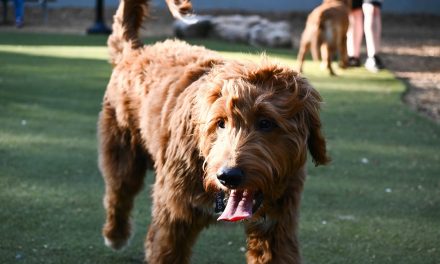
Teaching your dog to wait at the door is a fundamental aspect of canine training that fosters discipline and enhances safety. This command not only instills patience in your pet but also establishes boundaries that can prevent unwanted behaviors, such as bolting out the door or overwhelming guests. A well-trained dog that understands the concept of waiting can significantly reduce the risk of accidents, especially in busy households or when encountering unfamiliar environments.
Moreover, the ability to wait at the door can enhance your dog’s overall obedience and responsiveness to commands. This skill is particularly beneficial in various scenarios, such as during vet visits, when encountering other animals, or while navigating crowded spaces. By teaching your dog to pause and wait, you are promoting a sense of calmness and control, which can lead to a more harmonious relationship between you and your furry companion.
Preparing Your Training Environment
Creating an optimal training environment is crucial for effective learning. Begin by selecting a quiet space free from distractions, where both you and your dog can focus entirely on the task at hand. This could be a designated area near the entrance of your home or a secluded room where interruptions are minimal. Ensure that the environment is comfortable for your dog, with adequate space for movement and a non-slip surface to prevent accidents.
Additionally, consider the time of day when training sessions will take place. Choose moments when your dog is alert and energetic, as this will facilitate better engagement and responsiveness. Early mornings or late afternoons are often ideal, as dogs tend to be more active during these times. By establishing a consistent training routine in a controlled environment, you set the stage for successful learning and reinforce positive behaviors.
Gathering Necessary Training Tools and Supplies

Before embarking on your training journey, it is essential to gather the necessary tools and supplies that will aid in teaching your dog to wait at the door. A sturdy leash is paramount, as it provides control during training sessions and helps prevent your dog from rushing out unexpectedly. Additionally, consider using a harness for added security, especially for larger breeds or those prone to pulling.
Treats are another vital component of your training toolkit. Opt for high-value rewards that your dog finds irresistible, such as small pieces of chicken or cheese. These treats will serve as motivation during training sessions and reinforce positive behavior effectively. A clicker can also be beneficial for marking desired behaviors with precision, allowing your dog to associate the sound with positive reinforcement.
Introducing the “Wait” Command to Your Dog

Once you have prepared your environment and gathered your supplies, it is time to introduce the “wait” command to your dog. Begin by standing at the door with your dog on a leash, ensuring they are calm and focused on you. Use a clear and firm voice to say “wait” while simultaneously using hand signals to reinforce the command visually. It is essential to maintain a positive demeanor throughout this process, as dogs are highly attuned to their owner’s emotions.
Initially, keep the duration of the wait short—just a few seconds—before rewarding your dog with praise and a treat. This helps establish a positive association with the command. Gradually increase the duration as your dog becomes more comfortable with the concept of waiting. Consistency is key; practice this command regularly to reinforce learning and ensure that your dog understands what is expected of them.
Using Positive Reinforcement to Encourage Patience
Positive reinforcement is an effective training technique that encourages desired behaviors through rewards. When teaching your dog to wait at the door, it is crucial to reward them immediately after they successfully follow the command. This could involve verbal praise, petting, or offering a treat. The immediacy of the reward helps solidify the connection between the behavior and its positive outcome.
Incorporating varied rewards can also enhance motivation. For instance, if your dog responds well to treats, consider mixing in playtime or their favorite toy as a reward for waiting patiently. This variety keeps training sessions engaging and reinforces the idea that waiting leads to enjoyable experiences. Remember that patience is essential; some dogs may take longer than others to grasp this concept fully.
Practicing Door Waiting with Short Intervals
To build your dog’s understanding of waiting at the door, start with short intervals that gradually increase over time. Begin by asking your dog to sit or stay while you open the door slightly without allowing them to rush through. If they remain calm and patient, reward them immediately with praise or a treat. This initial practice helps establish a foundation for longer waiting periods.
As your dog becomes more accustomed to waiting at the door, gradually extend the duration of time they must remain in place before receiving their reward. This incremental approach allows them to build confidence and reinforces their understanding of the command. Consistent practice during these short intervals will help solidify their ability to wait patiently over time.
Gradually Increasing the Waiting Time
Once your dog has mastered short waiting intervals, it is time to gradually increase the duration they must wait before being released. This step is crucial for reinforcing their patience and ensuring they understand that waiting leads to rewards. Start by extending the waiting time by just a few seconds at first; this gradual increase prevents frustration and encourages success.
During this phase, continue to monitor your dog’s behavior closely. If they become restless or anxious, revert to shorter intervals until they regain their composure. The goal is to create a positive experience around waiting; if your dog feels overwhelmed, it may hinder their progress. Celebrate small victories along the way, as each successful wait reinforces their understanding of the command.
Managing Distractions During Training Sessions
Distractions can significantly impact your dog’s ability to focus during training sessions. To ensure effective learning, it is essential to manage potential distractions in your environment. Begin training in a quiet space where external stimuli are minimal; this allows your dog to concentrate solely on you and the task at hand.
As your dog becomes more proficient at waiting at the door, gradually introduce mild distractions—such as sounds from outside or family members moving around—while maintaining control over their environment. If your dog remains focused despite these distractions, reward them generously for their patience. This practice helps them learn to maintain composure even in more stimulating situations.
Teaching Your Dog to Wait at Different Doors and Locations
Once your dog has mastered waiting at one specific door, it is beneficial to generalize this behavior across different doors and locations within your home or outside environments. Start by practicing at various entry points in your house—such as back doors or gates—using the same “wait” command consistently.
As they become comfortable with waiting in different locations, consider taking training sessions outside in public spaces like parks or busy streets. This exposure helps reinforce their understanding of waiting regardless of location while also building their confidence in diverse environments. Always reward them for successfully waiting in these new settings to strengthen their learning.
Troubleshooting Common Challenges and Setbacks
Training can sometimes present challenges or setbacks that require troubleshooting strategies. One common issue is when dogs become overly excited or anxious at the sight of an open door. In such cases, it may be helpful to practice desensitization techniques by repeatedly opening and closing the door without allowing them to rush through initially.
If your dog struggles with maintaining focus during training sessions, consider shortening practice times or increasing rewards for successful waits. Additionally, if they exhibit signs of frustration or disobedience, take a step back and revisit previous steps before progressing further. Patience and consistency are vital; every dog learns at their own pace.
Maintaining and Reinforcing the Behavior Over Time
Once your dog has successfully learned to wait at the door, ongoing reinforcement is essential for maintaining this behavior over time. Regularly practice waiting commands during daily routines—such as before walks or mealtimes—to keep their skills sharp and reinforce positive associations with waiting.
Incorporate occasional surprises into training sessions by varying rewards or introducing new commands related to waiting—such as “stay” or “go”—to keep things fresh and engaging for both you and your dog. Consistent reinforcement ensures that waiting remains an ingrained behavior rather than a temporary skill.
In summary, teaching your dog to wait at the door is an invaluable skill that enhances safety and obedience while fostering patience in your furry companion. By preparing an appropriate training environment, utilizing positive reinforcement techniques, managing distractions effectively, and maintaining consistent practice over time, you can successfully instill this important command in your dog’s repertoire. With dedication and patience, you will cultivate a well-behaved pet who understands boundaries and enjoys rewarding experiences through their newfound skills.
FAQs
What is the best age to start training my dog to wait at the door?
It is recommended to start training your dog to wait at the door as early as possible, ideally when they are a puppy around 8 weeks old. However, older dogs can also learn this behavior with patience and consistent training.
What commands should I use when training my dog to wait at the door?
Common commands to use include “wait,” “stay,” or “stop.” Choose one command and consistently use it during training to help your dog understand what is expected of them.
How long should training sessions be when teaching my dog to wait at the door?
Training sessions should be short and focused, ideally lasting between 5 to 10 minutes. This helps keep your dog engaged and prevents them from becoming bored or frustrated.
What rewards can I use to reinforce the behavior of waiting at the door?
Positive reinforcement is key in training. Use treats, praise, or toys as rewards when your dog successfully waits at the door. This encourages them to repeat the behavior in the future.
How can I troubleshoot if my dog is not learning to wait at the door?
If your dog is struggling to learn, ensure that you are consistent with your commands and rewards. Additionally, minimize distractions during training sessions and consider breaking the training into smaller steps to make it easier for your dog to understand.