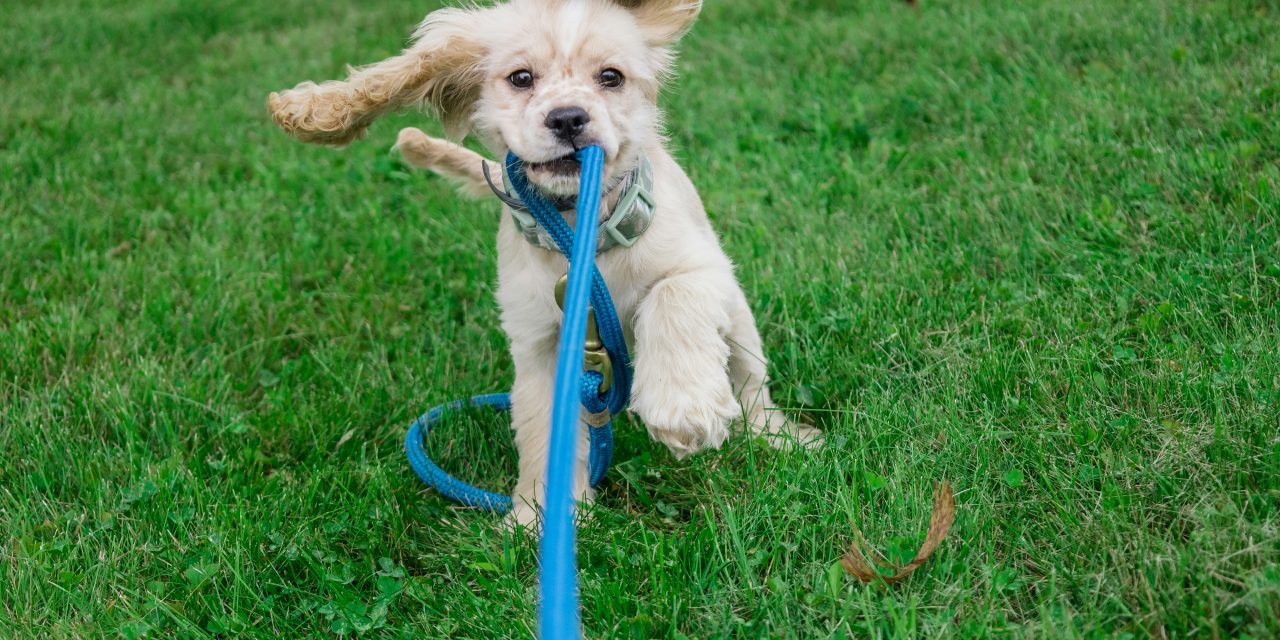
Every dog possesses a distinct learning style that can significantly influence their training outcomes. Recognizing these individual differences is crucial for effective communication and successful behavior modification. For instance, some dogs may respond better to visual cues, while others might excel with auditory signals or tactile feedback. Understanding whether your dog is a visual learner, an auditory learner, or a kinesthetic learner can help tailor your training approach to suit their needs.
Moreover, factors such as breed characteristics, age, and previous experiences can shape a dog’s learning style. For example, herding breeds like Border Collies may thrive on tasks that engage their intelligence and physical agility, while more laid-back breeds might prefer a gentler approach. Observing your dog’s reactions to various training methods can provide insights into their preferred learning style, allowing you to adapt your techniques accordingly. This personalized approach not only enhances the training experience but also fosters a stronger bond between you and your canine companion.
Inconsistent Commands and Expectations
Inconsistent commands and expectations can create confusion for dogs, leading to frustration for both the pet and the owner. When commands are not uniform, dogs may struggle to understand what is being asked of them. For instance, if “sit” is sometimes accompanied by a hand signal and other times is given verbally without any gesture, the dog may become uncertain about how to respond. This inconsistency can hinder their ability to learn effectively.
To mitigate this issue, it is essential to establish clear and consistent commands that all family members adhere to. Creating a training manual or guide that outlines the specific commands and their corresponding actions can help ensure everyone is on the same page. Additionally, using the same tone of voice and body language for each command reinforces clarity. By maintaining consistency in commands and expectations, you provide your dog with a stable framework within which they can learn and thrive.
Neglecting Proper Socialization Early On

Socialization is a critical aspect of a dog’s development that should not be overlooked. Early exposure to various environments, people, and other animals helps dogs develop confidence and adaptability. Puppies are particularly impressionable during their socialization window, which typically spans from three to fourteen weeks of age. Failing to provide adequate socialization during this period can lead to behavioral issues later in life, such as fearfulness or aggression.
To ensure proper socialization, it is vital to introduce your puppy to diverse experiences in a controlled manner. This includes exposing them to different sounds, sights, and smells, as well as interactions with other dogs and people of varying ages. Puppy classes can be an excellent resource for facilitating socialization in a safe environment. By prioritizing socialization early on, you equip your dog with the skills necessary to navigate the world confidently and positively.
Using Punishment Instead of Positive Reinforcement

The use of punishment as a training method has been widely debated in the canine training community. While some may argue that aversive techniques can yield quick results, research consistently shows that positive reinforcement is far more effective in promoting long-term behavioral change. Punishment can lead to fear-based responses, anxiety, and even aggression in dogs, ultimately damaging the bond between pet and owner.
Positive reinforcement involves rewarding desired behaviors with treats, praise, or playtime, thereby encouraging the dog to repeat those behaviors. This method fosters a positive learning environment where dogs feel safe and motivated to engage with their owners. Implementing clicker training as a form of positive reinforcement can further enhance communication by providing immediate feedback when the dog performs the desired action. By focusing on rewarding good behavior rather than punishing undesirable actions, you create a more harmonious training experience.
Overlooking the Importance of Patience and Timing
Training a dog requires patience and impeccable timing. Dogs learn through repetition and reinforcement; therefore, it is essential to provide immediate feedback when they exhibit desired behaviors. Delayed responses can confuse dogs and diminish the effectiveness of the training session. For example, if you wait too long to reward your dog for sitting on command, they may not associate the reward with the action you intended.
Moreover, patience is vital when working with dogs who may take longer to grasp certain concepts or commands. Each dog learns at their own pace; some may master a command quickly while others require more time and practice. It is crucial to remain calm and supportive throughout the training process, as frustration can hinder progress. By cultivating an atmosphere of patience and timely reinforcement, you set your dog up for success in their learning journey.
Skipping Basic Obedience Training Foundations
Basic obedience training serves as the cornerstone for all subsequent training endeavors. Commands such as “sit,” “stay,” “come,” and “down” form the foundation upon which more advanced skills are built. Skipping these fundamental lessons can lead to behavioral issues down the line, as dogs may lack the necessary skills to respond appropriately in various situations.
Investing time in teaching basic obedience not only enhances communication but also establishes boundaries and expectations for your dog. Consistent practice of these commands in different environments helps reinforce their understanding and reliability. Incorporating basic obedience training into daily routines—such as during walks or playtime—ensures that these skills become ingrained habits. By prioritizing foundational training, you create a solid framework for future learning.
Failing to Set Realistic Training Goals
Setting realistic training goals is essential for maintaining motivation and ensuring progress in your dog’s learning journey. Unrealistic expectations can lead to frustration for both the owner and the dog, potentially resulting in setbacks or abandonment of training altogether. It is crucial to break down larger goals into smaller, achievable milestones that allow for incremental progress.
For instance, if your ultimate goal is for your dog to perform off-leash obedience in public spaces, start by mastering basic commands at home before gradually introducing distractions in controlled environments. Celebrate small victories along the way to keep both you and your dog motivated. By establishing realistic training goals that account for your dog’s unique learning style and pace, you foster a positive training experience that encourages continued growth.
Ignoring the Need for Regular Practice Sessions
Regular practice sessions are vital for reinforcing learned behaviors and ensuring retention over time. Dogs thrive on consistency; therefore, incorporating short training sessions into daily routines helps solidify their understanding of commands and tricks. Ignoring this need can lead to regression in learned behaviors, making it challenging for dogs to retain skills over time.
Aim for multiple brief training sessions throughout the day rather than one lengthy session. This approach keeps your dog engaged while preventing boredom or frustration. Additionally, varying the locations and contexts of practice sessions helps generalize learned behaviors across different environments. By prioritizing regular practice sessions, you enhance your dog’s ability to respond reliably regardless of distractions or changes in surroundings.
Not Addressing Behavioral Issues Promptly
Behavioral issues can escalate if not addressed promptly and effectively. Ignoring signs of anxiety, aggression, or destructive behavior can lead to more significant problems down the line. Early intervention is key; identifying triggers and implementing appropriate strategies can prevent undesirable behaviors from becoming ingrained habits.
Consulting with a professional dog trainer or behaviorist can provide valuable insights into addressing specific behavioral concerns. They can help develop tailored strategies that consider your dog’s unique temperament and circumstances. Additionally, maintaining open communication with your veterinarian ensures any underlying medical issues contributing to behavioral problems are addressed promptly. By taking proactive measures to address behavioral issues early on, you set your dog up for success in their training journey.
Relying Too Much on Treats Without Gradual Fading
While treats are an effective tool for positive reinforcement during training sessions, relying solely on them without gradual fading can create dependency issues in dogs. If dogs come to expect treats every time they perform a command, they may struggle to respond when treats are not available. This reliance can hinder their ability to generalize learned behaviors across different contexts.
To prevent this dependency from developing, it is essential to gradually fade out treats over time while maintaining praise and affection as rewards. Start by rewarding with treats intermittently rather than every time your dog performs a command correctly. Incorporating verbal praise or playtime as rewards reinforces positive behavior without creating an over-reliance on food rewards. By implementing this gradual fading technique, you encourage your dog to respond based on understanding rather than expectation.
Forgetting to Make Training Fun and Engaging
Training should be an enjoyable experience for both you and your dog; forgetting this aspect can lead to disengagement and reluctance during sessions. Incorporating fun elements into training—such as games or interactive toys—can enhance motivation while reinforcing learned behaviors. Engaging activities not only make training enjoyable but also strengthen the bond between you and your canine companion.
Consider incorporating playtime into training sessions by using toys as rewards or incorporating agility exercises that challenge your dog’s physical abilities while reinforcing commands. Varying activities keeps sessions fresh and exciting while catering to your dog’s interests and energy levels. By prioritizing fun and engagement during training, you create a positive atmosphere that encourages enthusiasm for learning.
In summary, understanding your dog’s unique learning style is paramount for effective training outcomes. Consistency in commands and expectations fosters clarity while proper socialization lays the groundwork for confident behavior. Positive reinforcement techniques promote long-term behavioral change without fear-based responses. Patience and timely feedback enhance learning experiences while foundational obedience training establishes essential skills.
Setting realistic goals ensures motivation remains high while regular practice sessions reinforce learned behaviors over time. Promptly addressing behavioral issues prevents escalation while gradually fading reliance on treats encourages independent responses from dogs. Finally, making training fun fosters engagement and strengthens bonds between owners and their pets.
By implementing these strategies thoughtfully and consistently, you pave the way for a successful training journey that enriches both your life and that of your beloved canine companion.
FAQs
What are some common mistakes dog owners make during training?
Common mistakes include inconsistent commands, using negative reinforcement, failing to socialize the dog properly, not being patient, and neglecting to reward good behavior. These errors can hinder a dog’s learning process and lead to confusion.
How can inconsistency in commands affect dog training?
Inconsistency in commands can confuse dogs, as they may not understand what is expected of them. If different family members use different words or tones for the same command, it can lead to frustration for both the dog and the owner, making training less effective.
Why is positive reinforcement important in dog training?
Positive reinforcement encourages desired behaviors by rewarding the dog when it performs correctly. This method builds a stronger bond between the dog and owner, increases motivation, and leads to more effective learning compared to negative reinforcement methods.
What role does socialization play in dog training?
Socialization is crucial for a dog’s development, as it helps them become well-adjusted and confident in various environments. Proper socialization reduces the likelihood of behavioral issues, such as aggression or fearfulness, and enhances the dog’s ability to interact with people and other animals.
How can owners avoid being impatient during training sessions?
Owners can avoid impatience by setting realistic goals, breaking training into manageable sessions, and practicing mindfulness. Understanding that learning takes time and celebrating small successes can help maintain a positive attitude during training.