Understanding the exercise requirements of your canine companion is paramount for ensuring their overall health and well-being. Dogs, much like humans, require a balanced regimen of physical activity to maintain optimal health. Exercise not only helps in managing weight but also plays a crucial role in behavioral health, reducing anxiety and promoting socialization. The amount and type of exercise needed can vary significantly based on several factors, including age, breed, and individual temperament.
As responsible pet owners, it is essential to recognize that each dog has unique exercise needs that must be met to foster a happy and healthy life. This article delves into the various aspects of canine exercise, providing insights into why it is vital, how to tailor activities to different life stages and breeds, and the importance of mental stimulation alongside physical activity.
Why Exercise Is Essential for Dogs’ Health
Regular physical activity is fundamental for maintaining a dog’s physical health. Exercise aids in weight management by burning calories and building muscle mass. Obesity in dogs can lead to a plethora of health issues, including diabetes, joint problems, and cardiovascular diseases. According to the Association for Pet Obesity Prevention, approximately 56% of dogs in the United States are classified as overweight or obese, underscoring the necessity for regular exercise.
Moreover, exercise contributes significantly to mental health. Dogs are inherently social animals that thrive on interaction and stimulation. Engaging in physical activities helps alleviate behavioral issues such as excessive barking, chewing, or digging, which often stem from boredom or pent-up energy. Regular exercise fosters a sense of routine and stability in a dog’s life, promoting emotional well-being and reducing anxiety levels.
Factors Influencing Daily Exercise Requirements

Several factors influence the daily exercise needs of dogs, including age, breed, size, and overall health status. Puppies typically require shorter bursts of activity throughout the day as they are still developing their physical capabilities. Conversely, adult dogs generally need more sustained periods of exercise to expend energy effectively.
Breed characteristics also play a significant role in determining exercise requirements. Working breeds such as Border Collies or Siberian Huskies have higher energy levels and require more vigorous activities compared to toy breeds like Chihuahuas or Pomeranians. Additionally, a dog’s size can influence their stamina; larger breeds may need longer walks while smaller breeds may benefit from shorter, more frequent play sessions.
Health conditions can also dictate exercise levels. Dogs with arthritis or other mobility issues may require modified activities that are less strenuous yet still engaging. Consulting with a veterinarian can provide tailored recommendations based on an individual dog’s health status.
Exercise Guidelines for Puppies: Building Healthy Habits Early

Establishing a solid foundation for exercise during a puppy’s formative months is crucial for their long-term health. Puppies have boundless energy but also require ample rest to support their growth and development. A general guideline is to provide five minutes of structured exercise per month of age up to twice a day. For instance, a three-month-old puppy would benefit from approximately 15 minutes of exercise per session.
Activities should focus on socialization and basic training while incorporating playtime to keep the experience enjoyable. Engaging in games like fetch or tug-of-war can help develop coordination and strength while also fostering a bond between the puppy and owner. It is essential to monitor the puppy’s energy levels and provide breaks as needed to prevent overexertion.
In addition to physical activity, mental stimulation is equally important for puppies. Introducing puzzle toys or basic obedience training can enhance cognitive development while keeping them engaged. This dual approach ensures that puppies grow into well-rounded adult dogs with healthy habits ingrained from an early age.
Adult Dogs: Tailoring Activity to Breed and Energy Levels
As dogs transition into adulthood, their exercise needs evolve significantly. Adult dogs typically require at least 30 minutes to two hours of exercise daily, depending on their breed and energy levels. High-energy breeds necessitate more vigorous activities such as running or agility training, while lower-energy breeds may be satisfied with leisurely walks or play sessions.
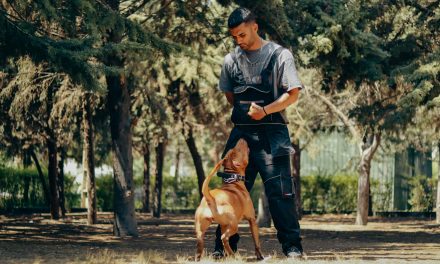
Tailoring activities to suit individual preferences is vital for maintaining motivation and enjoyment. For instance, some dogs may thrive in structured environments like obedience classes or agility courses, while others may prefer free play at a dog park or engaging in scent work activities. Understanding your dog’s personality can help create an enriching routine that keeps them physically fit and mentally stimulated.
Moreover, incorporating variety into an adult dog’s exercise regimen can prevent boredom and promote enthusiasm for physical activity. Rotating between different types of exercises—such as hiking, swimming, or playing fetch—can keep the experience fresh and exciting for both the dog and owner.
Senior Dogs: Adjusting Exercise for Aging Bodies
As dogs age, their exercise requirements change significantly due to decreased energy levels and potential health issues such as arthritis or mobility limitations. Senior dogs still benefit from regular activity; however, it is crucial to adjust the intensity and duration of exercises accordingly. Shorter walks or gentle play sessions can help maintain muscle tone and joint flexibility without overexerting them.
Monitoring your senior dog’s behavior during exercise is essential; signs of fatigue or discomfort should prompt immediate cessation of activity. Incorporating low-impact exercises such as swimming or walking on soft surfaces can provide beneficial cardiovascular workouts without placing undue stress on aging joints.
Additionally, mental stimulation remains vital for senior dogs. Engaging them in interactive games or teaching new tricks can help keep their minds sharp while providing a sense of accomplishment. Regular veterinary check-ups are also essential for assessing any underlying health issues that may affect exercise capabilities.
High-Energy Breeds: How Much Activity Do They Really Need?
High-energy breeds such as Australian Shepherds, Labrador Retrievers, and Belgian Malinois require substantial amounts of physical activity to remain healthy and well-adjusted. These breeds typically need at least 60 to 120 minutes of vigorous exercise daily to prevent behavioral issues stemming from pent-up energy.
Activities should include high-intensity workouts such as running, hiking, or participating in dog sports like agility or flyball. Engaging in interactive play sessions that challenge both physical stamina and mental acuity can also be beneficial. For instance, incorporating fetch with varying distances or introducing obstacle courses can provide both physical exertion and mental engagement.
It is crucial for owners of high-energy breeds to establish a consistent routine that meets their dog’s needs while also allowing for flexibility based on weather conditions or individual circumstances. Regularly varying activities can help maintain enthusiasm and prevent boredom.
Low-Energy Breeds: Avoiding Overexertion
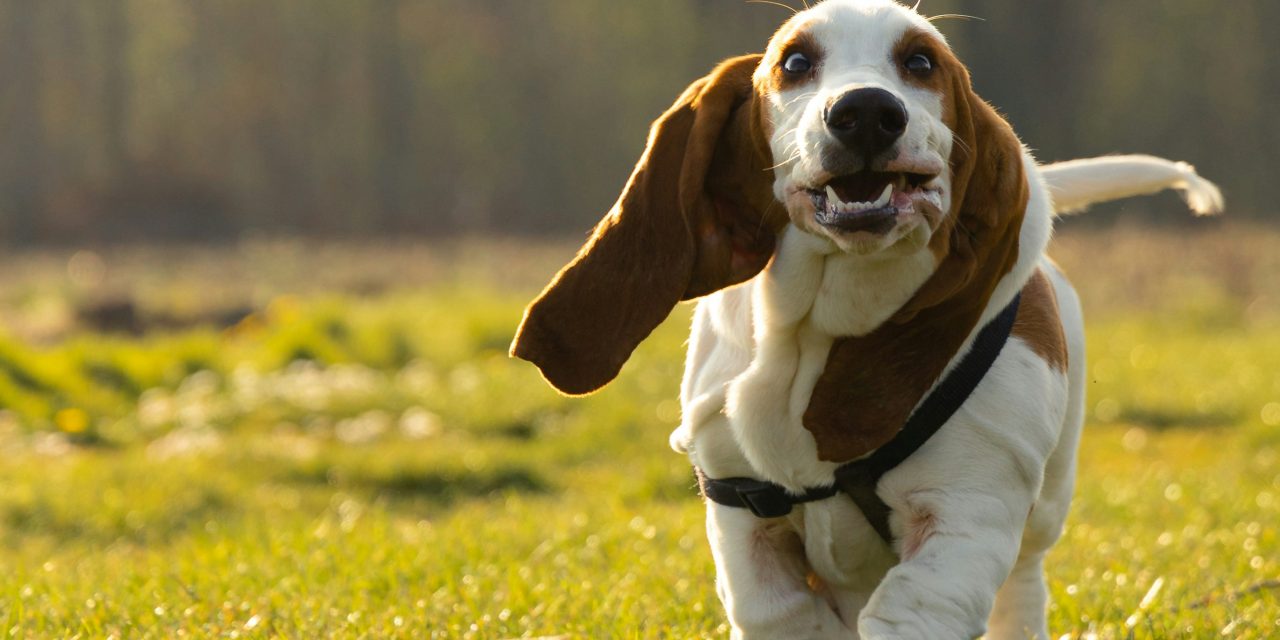
Low-energy breeds such as Bulldogs, Basset Hounds, and Shih Tzus typically require less intense exercise compared to their high-energy counterparts. While these breeds still need regular activity—approximately 30 minutes to an hour daily—owners must be cautious not to overexert them due to their predisposition to certain health issues such as respiratory problems or joint concerns.
Gentle walks around the neighborhood or short play sessions in the yard can suffice for low-energy breeds. It is essential to monitor their breathing patterns during exercise; if they show signs of distress or fatigue, it may be necessary to reduce the intensity or duration of activities.
Incorporating mental stimulation through puzzle toys or training exercises can also help keep low-energy dogs engaged without requiring excessive physical exertion. This balanced approach ensures that these breeds remain healthy while respecting their natural tendencies toward lower activity levels.
Mental Stimulation: The Role of Play and Training in Daily Exercise
Mental stimulation is an often-overlooked aspect of canine exercise that plays a critical role in overall well-being. Engaging dogs in mentally challenging activities can help alleviate boredom and reduce behavioral issues associated with excess energy. Incorporating training sessions into daily routines not only reinforces obedience but also provides cognitive challenges that stimulate the mind.
Interactive toys that dispense treats or require problem-solving skills can keep dogs engaged for extended periods while providing mental enrichment. Activities such as scent work or hide-and-seek games can also enhance cognitive function while promoting bonding between dog and owner.
Furthermore, socialization opportunities through playdates with other dogs can provide both physical activity and mental engagement. These interactions allow dogs to practice social skills while expending energy in a controlled environment.
Signs Your Dog Is Getting Too Much or Too Little Exercise
Recognizing the signs that your dog may be receiving too much or too little exercise is crucial for maintaining their health. Signs of insufficient activity include excessive barking, destructive behavior, weight gain, lethargy, or hyperactivity during playtime. Conversely, signs of overexertion may manifest as excessive panting, limping, reluctance to engage in activities they previously enjoyed, or signs of distress during walks.
Monitoring your dog’s behavior closely during and after exercise sessions can provide valuable insights into their comfort levels and overall well-being. Adjusting routines based on these observations ensures that your dog receives an appropriate amount of physical activity tailored to their individual needs.
Creating a Balanced Exercise Routine for Your Dog’s Unique Needs
Developing a balanced exercise routine requires careful consideration of your dog’s unique needs based on age, breed characteristics, energy levels, and health status. Begin by assessing your dog’s current fitness level and gradually introduce new activities while monitoring their response.
Incorporate a mix of aerobic exercises—such as walking or running—with strength-building activities like agility training or swimming. Additionally, ensure that mental stimulation is integrated into daily routines through training sessions or interactive playtime.
Establishing consistency in your dog’s exercise regimen fosters predictability while allowing for flexibility based on individual circumstances or environmental factors. Regularly reassessing your dog’s needs as they age will ensure that their exercise routine remains appropriate throughout their life stages.
In summary, understanding your dog’s exercise needs is essential for promoting their overall health and well-being. By recognizing the importance of physical activity tailored to individual characteristics—such as age, breed, and energy levels—owners can create balanced routines that foster both physical fitness and mental stimulation. Regular monitoring of behavior will help ensure that dogs receive appropriate amounts of exercise while preventing potential health issues associated with inactivity or overexertion.
FAQs
How much exercise does a puppy need each day?
Puppies typically require about 5 minutes of exercise per month of age, up to twice a day. For example, a 3-month-old puppy should have around 15 minutes of exercise, while a 6-month-old puppy may need about 30 minutes. It’s important to balance playtime with rest to support their developing bodies.
Do different dog breeds require different amounts of exercise?
Yes, different dog breeds have varying exercise needs. High-energy breeds like Border Collies and Labrador Retrievers may require 1-2 hours of vigorous exercise daily, while lower-energy breeds like Bulldogs or Basset Hounds may only need 30 minutes to an hour of moderate activity.
How does a dog’s age affect its exercise requirements?
As dogs age, their exercise needs typically decrease. Puppies require more frequent, shorter bursts of activity, while adult dogs need regular exercise to maintain health. Senior dogs may benefit from shorter, gentler walks and play sessions to accommodate their reduced stamina and joint health.
What are some signs that a dog is getting enough exercise?
Signs that a dog is getting enough exercise include a healthy weight, good muscle tone, and a calm demeanor at home. Additionally, a well-exercised dog will typically show less destructive behavior and have a lower tendency to bark excessively or exhibit hyperactivity.
Can too much exercise be harmful to a dog?
Yes, excessive exercise can lead to injuries, fatigue, and stress in dogs. Signs of overexertion include excessive panting, limping, or reluctance to continue exercising. It’s important to tailor exercise routines to a dog’s age, breed, and health status to prevent overexertion.