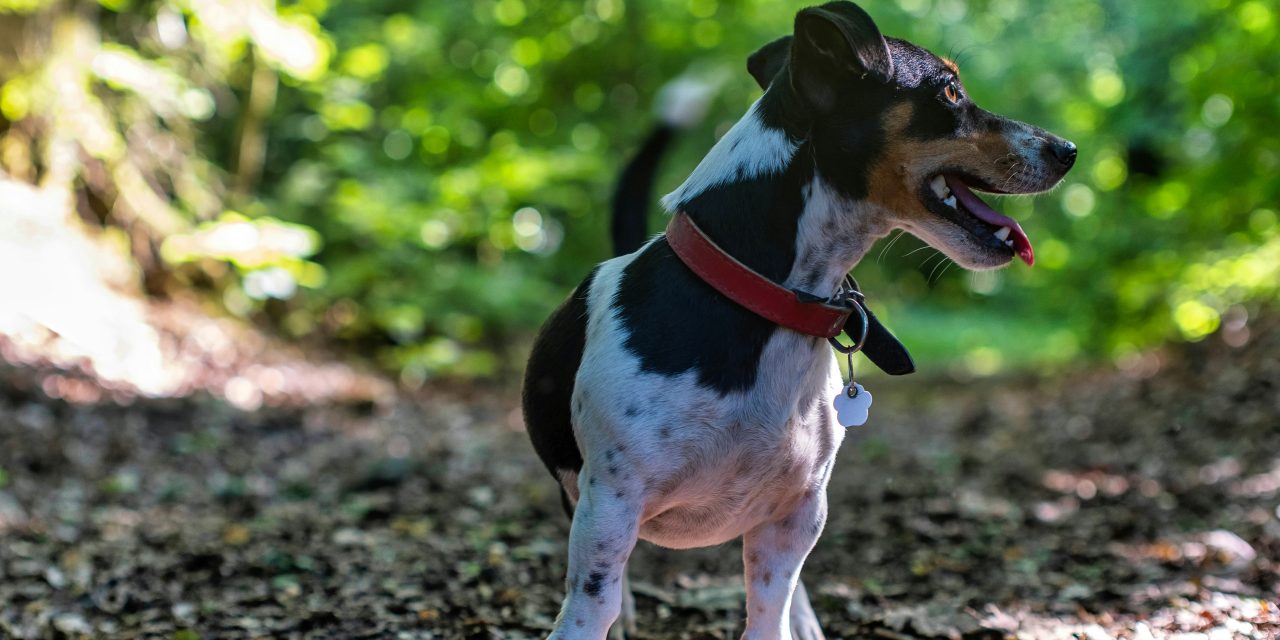
When it comes to canine companions, the choice between a dog harness and a collar is pivotal for both safety and comfort. These essential accessories serve not only as tools for restraint but also as means of communication between the owner and the pet. The decision to use one over the other can significantly influence a dog’s behavior, health, and overall experience during walks. Understanding the fundamental differences, advantages, and disadvantages of each option is crucial for any responsible dog owner.
Collars have been a traditional choice for pet owners for decades, often used for identification purposes and basic control. However, harnesses have gained popularity in recent years due to their ability to distribute pressure more evenly across a dog’s body. This article delves into the anatomy of collars and harnesses, their respective uses, safety considerations, and how they impact a dog’s health and behavior. By exploring these aspects, we aim to equip dog owners with the knowledge necessary to make informed decisions tailored to their furry friends’ needs.
The Anatomy of a Dog Collar: Types and Uses
Dog collars come in various styles, each designed for specific purposes. The most common types include flat collars, martingale collars, choke chains, and prong collars. Flat collars are typically made from nylon or leather and are ideal for everyday use. They often feature an adjustable strap and a buckle or snap closure, making them easy to put on and take off. These collars are primarily used for identification, as they can hold tags with the dog’s name and owner’s contact information.
Martingale collars are particularly beneficial for dogs that tend to slip out of their collars. They consist of a loop that tightens when pulled, preventing escape without choking the dog. Choke chains and prong collars are more controversial; while they can provide control for strong pullers, they pose risks of injury if misused. Understanding the anatomy of these collars is essential for selecting the right type based on your dog’s behavior and training needs.
Exploring Dog Harnesses: Styles and Functions

Dog harnesses have evolved significantly over the years, offering various styles that cater to different activities and dog temperaments. The most common types include back-clip harnesses, front-clip harnesses, and no-pull harnesses. Back-clip harnesses feature a D-ring on the back, making them suitable for well-behaved dogs that do not pull excessively. They provide comfort and ease of use but may not be effective for training purposes.
Front-clip harnesses are designed to discourage pulling by redirecting the dog’s movement when they attempt to lunge forward. This style is particularly beneficial for training dogs that exhibit leash aggression or pulling tendencies. No-pull harnesses combine elements of both front-clip and back-clip designs, offering additional control while ensuring comfort. Each style serves distinct functions, allowing owners to choose based on their dog’s behavior and training requirements.
Safety is paramount when selecting between a harness and a collar. Collars can pose risks if not fitted correctly; they may cause choking or injury if a dog pulls suddenly or engages in rough play. Additionally, certain collar types can exacerbate respiratory issues in brachycephalic breeds like Bulldogs or Pugs due to pressure on the neck.
Harnesses generally provide a safer alternative by distributing pressure across the dog’s chest and back rather than concentrating it on the neck. This design minimizes the risk of injury during walks or when the dog pulls unexpectedly. However, it is essential to ensure that the harness fits properly; an ill-fitting harness can lead to chafing or discomfort. Ultimately, understanding the safety implications of each option is crucial for protecting your dog’s well-being during daily activities.
Comfort and Fit: What Works Best for Your Dog?

Finding the right fit is essential for both comfort and functionality when choosing between a harness and a collar. A well-fitted collar should allow for two fingers to fit comfortably between the collar and the dog’s neck without being too loose or tight. Conversely, harnesses should be snug but not restrictive; they should allow for natural movement without causing chafing or discomfort.
Different breeds may require different considerations regarding fit. For example, breeds with broad chests may benefit from a harness that accommodates their body shape, while smaller breeds may require lightweight options that do not overwhelm them. Owners should also consider their dog’s activity level; active dogs may require more robust designs that withstand wear and tear during outdoor adventures.
Control and Training Benefits of Harnesses and Collars
Harnesses often provide superior control compared to collars, especially for dogs that exhibit pulling behavior during walks. The design of front-clip harnesses allows owners to guide their dogs more effectively, making them an excellent choice for training purposes. By redirecting a dog’s movement when they pull, these harnesses can help reinforce positive walking behavior over time.
Collars can also be effective training tools when used correctly; however, they may not offer the same level of control as harnesses in certain situations. For instance, using a martingale collar can help prevent escape while still allowing for some degree of correction during training sessions. Ultimately, the choice between a harness and a collar should be based on individual training goals and the specific behaviors exhibited by the dog.
Impact on Dog Health: Neck and Respiratory Concerns
The impact of collars on a dog’s health cannot be overlooked, particularly concerning neck injuries and respiratory issues. Dogs that pull excessively on their collars may experience strain on their necks, leading to potential injuries such as tracheal collapse or cervical spine problems. This risk is especially pronounced in small breeds with delicate neck structures.
Harnesses mitigate these risks by distributing pressure across the dog’s body rather than concentrating it on the neck area. This design is particularly beneficial for brachycephalic breeds that are prone to respiratory issues; using a harness can help alleviate pressure on their airways during walks. Owners should be vigilant about monitoring their dogs’ health and behavior to ensure that their chosen restraint method does not contribute to any underlying health concerns.
Suitability for Different Dog Breeds and Sizes
The suitability of harnesses versus collars varies significantly based on breed size, temperament, and individual behavior traits. Small breeds such as Chihuahuas or Dachshunds may benefit from lightweight collars or harnesses that do not overwhelm them while providing adequate control during walks. Conversely, larger breeds like Great Danes or Rottweilers may require sturdier collars or specialized harnesses designed to accommodate their strength.
Additionally, certain breeds exhibit specific behavioral tendencies that may influence the choice between a harness and a collar. For example, high-energy breeds such as Border Collies may require front-clip harnesses to manage their pulling tendencies effectively during walks. Understanding these nuances is essential for selecting the most appropriate restraint method tailored to your dog’s unique characteristics.
Daily Walk Experience: Owner and Dog Perspectives
The daily walk experience is an integral part of a dog’s routine, impacting both physical health and mental stimulation. From an owner’s perspective, choosing between a harness and a collar can significantly influence how enjoyable these outings are. A well-fitted harness can provide peace of mind by ensuring better control over an excitable dog while minimizing the risk of escape.
From a dog’s perspective, comfort plays a crucial role in their enjoyment of walks. A properly fitted harness allows for natural movement without causing discomfort or chafing, enhancing their overall experience outdoors. Conversely, an ill-fitting collar may lead to frustration or anxiety during walks if it causes discomfort or restricts movement. Ultimately, prioritizing both owner control and canine comfort will lead to more enjoyable daily walks for both parties involved.
Cost and Durability Comparison
When considering dog accessories, cost and durability are essential factors that influence purchasing decisions. Collars generally tend to be more affordable than harnesses; however, prices can vary significantly based on materials used and brand reputation. Basic nylon collars can be found at low prices, while high-quality leather options may command higher costs.
Harnesses typically range in price depending on their design complexity and materials used; no-pull or specialized training harnesses may be more expensive than standard back-clip models but offer enhanced functionality. Durability is another critical consideration; investing in high-quality products can save money in the long run by reducing the need for frequent replacements due to wear and tear.
Making the Right Choice for Your Daily Walks
In conclusion, selecting between a dog harness and a collar requires careful consideration of various factors including safety, comfort, control, breed suitability, and cost-effectiveness. Each option has its unique advantages that cater to different needs; therefore, understanding your dog’s behavior and physical characteristics is paramount in making an informed decision.
Ultimately, prioritizing your dog’s well-being during daily walks will lead to more enjoyable experiences for both you and your furry companion. Whether you opt for a collar or a harness, ensuring proper fit and functionality will enhance your bond with your pet while promoting their health and happiness during outdoor adventures together.
—
**FAQ Section**
1. **What is the best type of collar for my dog?**
– The best type of collar depends on your dog’s behavior and needs. Flat collars are suitable for everyday use while martingale collars are ideal for dogs that tend to slip out.
2. **Are harnesses better than collars?**
– Harnesses are generally considered safer as they distribute pressure across the body rather than concentrating it on the neck.
3. **How do I know if my dog’s collar fits properly?**
– A properly fitted collar should allow two fingers to fit comfortably between it and your dog’s neck without being too loose or tight.
4. **Can I use both a collar and a harness?**
– Yes! Many owners use both—a collar for identification tags and a harness for walks—to maximize safety.
5. **What should I do if my dog pulls excessively?**
– Consider using a front-clip harness designed to discourage pulling behavior while providing better control during walks.
6. **How often should I replace my dog’s collar or harness?**
– Regularly inspect your dog’s collar or harness for signs of wear or damage; replace them as needed to ensure safety.
7. **Are there specific harnesses recommended for small breeds?**
– Yes! Lightweight back-clip or step-in harnesses are often recommended for small breeds to ensure comfort without overwhelming them.
8. **What are some signs my dog is uncomfortable in their collar or harness?**
– Signs include excessive scratching at the area, reluctance to walk or play, or visible chafing marks on their skin.
9. **Can using a collar cause health issues?**
– Yes; improper use of collars can lead to neck injuries or respiratory issues in certain breeds if they pull excessively.
10. **What materials are best for dog collars and harnesses?**
– Durable materials such as nylon or leather are commonly used; choose based on your dog’s activity level and sensitivity.
By understanding these aspects thoroughly, you can make an informed decision that enhances your daily walks with your beloved canine companion while ensuring their safety and comfort at all times.
FAQs
What are the main differences between a dog harness and a collar?
A dog harness is designed to distribute pressure across a dog’s body, typically around the chest and back, while a collar is worn around the dog’s neck. Harnesses are often preferred for dogs that pull on the leash, as they provide better control and reduce strain on the neck. Collars are generally simpler and can hold ID tags and licenses, but they may not be suitable for all dogs, especially those prone to pulling.
Which option is better for dogs that pull on the leash?
A harness is generally better for dogs that pull on the leash. It helps to prevent choking and reduces the risk of injury to the dog’s neck and throat. Many harnesses also come with a front-clip option that can help redirect a pulling dog back towards the owner, making walks more manageable.
Are there specific types of harnesses for different dog breeds?
Yes, there are various types of harnesses designed for different dog breeds and sizes. For example, some harnesses are specifically made for small breeds, while others are designed for larger or more muscular dogs. Additionally, there are specialized harnesses for specific activities, such as running or hiking, which may offer additional support and features.
Can a collar be used safely with a harness?
Yes, a collar can be used safely with a harness. Many dog owners choose to use both, with the collar holding ID tags and the harness providing control during walks. However, it’s important to ensure that the collar is not too tight and does not cause discomfort, especially if the dog is also wearing a harness.
How do I choose the right size harness or collar for my dog?
To choose the right size harness or collar, measure your dog’s neck circumference for a collar and their chest girth for a harness. Most manufacturers provide sizing charts that correlate measurements to specific sizes. It’s crucial to ensure a snug fit without being too tight, allowing for comfortable movement while preventing escape.