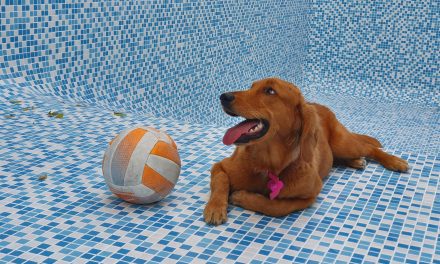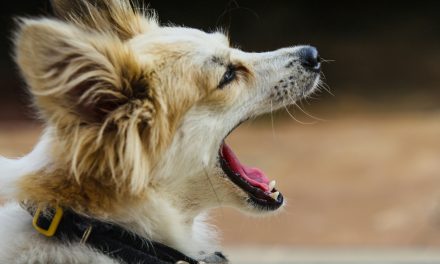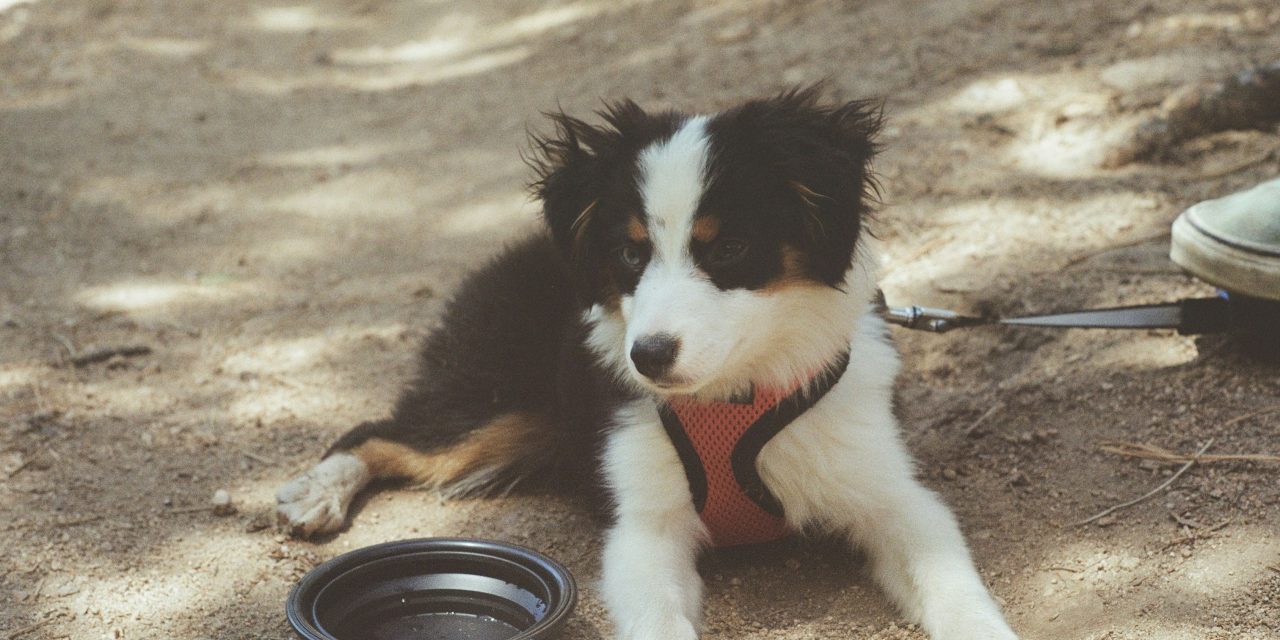
Canine body language is a complex system of signals that dogs use to communicate their feelings, intentions, and reactions to their environment. Understanding these signals is crucial for dog owners, as it allows them to interpret their pet’s emotional state and respond appropriately. Dogs communicate through a combination of vocalizations, postures, facial expressions, and even tail movements. For instance, a wagging tail does not always indicate happiness; the position and speed of the wag can convey excitement, anxiety, or even aggression.
Recognizing subtle cues such as ear position, eye contact, and body posture can provide insights into a dog’s mood. A relaxed dog may have a loose body posture and soft eyes, while a fearful or anxious dog may exhibit a tucked tail, flattened ears, and avoidance behaviors. By learning to read these signals, owners can foster a better relationship with their pets and create a more harmonious living environment.
The Role of Resource Guarding in Dogs
Resource guarding is a behavioral phenomenon where dogs exhibit protective behaviors over items they perceive as valuable, such as food, toys, or resting spots. This instinctual behavior can stem from a dog’s evolutionary background, where competition for resources was essential for survival. While resource guarding is a natural behavior, it can become problematic when it leads to aggressive displays towards humans or other animals.
Understanding the underlying motivations for resource guarding is essential for addressing the behavior effectively. Dogs may guard resources due to fear of losing them or past experiences of deprivation. Recognizing this behavior early on can help owners implement strategies to mitigate its impact and promote a more peaceful coexistence.
Evolutionary Roots of Food Protection

The evolutionary roots of food protection in dogs can be traced back to their wild ancestors. In the wild, competition for food resources was fierce, and those who could successfully defend their meals had a better chance of survival. This instinct has been passed down through generations, manifesting in domestic dogs as resource guarding behaviors.
In many cases, this instinct is heightened in dogs that have experienced food scarcity or competition during their formative years. Breeds that were historically used for hunting or herding may exhibit stronger guarding tendencies due to their ancestral roles. Understanding these evolutionary factors can help owners appreciate why their dogs may display certain behaviors and how to address them effectively.
Common Triggers for Food-Related Growling

Food-related growling is often triggered by specific situations that provoke a dog’s instinct to guard its resources. Common triggers include the presence of other pets or humans near their food bowl, sudden movements, or even the sound of food being prepared. Dogs may also growl when they feel threatened or anxious about losing access to their food.
Identifying these triggers is crucial for managing growling behavior. Owners should observe their dog’s reactions in various scenarios to pinpoint what causes the growling. By understanding these triggers, owners can implement strategies to reduce anxiety and promote a more relaxed feeding environment.
How Fear Influences Your Dog’s Behavior Around Food
Fear plays a significant role in how dogs behave around food. A dog that has experienced negative interactions during feeding times may develop anxiety or fear-based responses when approached while eating. This fear can manifest as growling, snapping, or even fleeing from the food bowl altogether.
Addressing fear-related behaviors requires patience and understanding from the owner. Creating positive associations with feeding times can help alleviate anxiety. Gradually desensitizing the dog to the presence of people or other pets during meals can foster a sense of security and reduce fear-driven reactions.
The Importance of Establishing Trust
Establishing trust between a dog and its owner is paramount in addressing resource guarding behaviors. A trusting relationship allows dogs to feel secure in their environment, reducing anxiety and the need to guard resources aggressively. Building trust involves consistent positive interactions, rewarding good behavior, and respecting the dog’s boundaries.
Owners should engage in activities that promote bonding, such as playtime, training sessions, and gentle handling during feeding times. By fostering trust, owners can create an atmosphere where dogs feel safe enough to share their resources without resorting to aggressive behaviors.
Signs Your Dog Is Warning You, Not Attacking
It is essential for dog owners to recognize the signs that indicate their pet is warning rather than attacking. Warning signs may include growling, baring teeth, stiff body posture, and intense eye contact. These signals are often meant to communicate discomfort or a desire for space rather than an outright threat.
Understanding these warning signs allows owners to respond appropriately without escalating the situation. Instead of punishing the dog for growling, owners should focus on identifying the underlying cause of the behavior and addressing it through training and positive reinforcement.
How to Safely Approach a Dog While It’s Eating
Approaching a dog while it is eating requires caution and respect for its space. Owners should avoid sudden movements or loud noises that could startle the dog. Instead, approach calmly and quietly from the side rather than directly in front of the dog.
It is advisable to establish a routine where the dog associates positive experiences with human presence during feeding times. Gradually desensitizing the dog by standing nearby while it eats and rewarding calm behavior can help create a more relaxed atmosphere around mealtime.
Training Techniques to Reduce Food Growling
Training techniques aimed at reducing food growling focus on desensitization and positive reinforcement. One effective method is the “trade-up” technique, where owners offer high-value treats in exchange for the dog’s food bowl. This encourages the dog to associate human presence with positive outcomes rather than threats.
Another approach involves gradually increasing proximity to the dog’s food bowl while rewarding calm behavior with treats or praise. Over time, this helps the dog learn that humans approaching during mealtime are not a threat but rather a source of positive experiences.
When to Seek Professional Help for Aggression
If resource guarding behaviors escalate into aggression or if an owner feels overwhelmed by their dog’s behavior, seeking professional help is crucial. A certified animal behaviorist or trainer can provide tailored strategies to address aggression safely and effectively.
Professional intervention may involve behavioral modification techniques that focus on desensitization and counter-conditioning. In some cases, medication may be recommended to help manage anxiety levels in dogs exhibiting severe aggression related to resource guarding.
Creating a Calm Feeding Environment for Your Dog
Creating a calm feeding environment is essential for promoting positive behaviors during mealtime. Owners should designate a quiet space free from distractions where the dog can eat comfortably. Reducing noise levels and minimizing foot traffic during feeding times can help alleviate anxiety.
Additionally, establishing a consistent feeding routine can provide structure and predictability for the dog. Feeding at the same time each day allows dogs to anticipate mealtime positively, reducing stress and promoting relaxation during eating.
In summary, understanding canine body language and resource guarding behaviors is vital for fostering a harmonious relationship between dogs and their owners. By recognizing triggers, addressing fear-based responses, establishing trust, and implementing effective training techniques, owners can mitigate aggressive behaviors related to food guarding. Creating a calm feeding environment further enhances this process, ensuring that dogs feel secure during mealtime interactions. If challenges persist, seeking professional guidance can provide valuable support in managing aggression effectively.
FAQs
Why does my dog growl when I approach its food?
Dogs may growl when you approach their food as a form of communication indicating that they feel threatened or possessive over their meal. This behavior is often rooted in instinctual protective traits, where the dog perceives food as a valuable resource that it needs to guard.
Is growling a sign of aggression in dogs?
Growling can be a sign of aggression, but it is also a way for dogs to express discomfort or fear. In the context of food, a growl may indicate that the dog is feeling anxious about losing its meal rather than outright aggression. Understanding the context is crucial for interpreting the growl correctly.
How can I stop my dog from growling when I approach its food?
To reduce growling, you can work on desensitizing your dog to your presence near its food. Gradually approach while offering treats or praise, creating positive associations with your presence. Training commands like “leave it” or “stay” can also help establish boundaries and reduce possessiveness.
Is it safe to approach my dog while it is eating?
Approaching a dog while it is eating can be risky, especially if the dog is displaying growling behavior. It is important to respect the dog’s space during mealtime to avoid potential bites or aggressive reactions. Training and gradual desensitization can help make this interaction safer over time.
What should I do if my dog bites me while I approach its food?
If your dog bites you while you approach its food, it is essential to seek professional help from a dog trainer or behaviorist. They can assess the situation and provide guidance on how to modify the dog’s behavior safely. In the meantime, avoid approaching the dog during mealtime to prevent further incidents.