A car battery serves as the heart of your vehicle’s electrical system, providing the necessary power to start the engine and operate various electrical components. Typically, a lead-acid battery is utilized, which consists of six cells filled with an electrolyte solution. Each cell generates approximately 2.1 volts, culminating in a total voltage of around 12.6 volts when fully charged. The significance of maintaining a healthy battery cannot be overstated, as it directly influences the reliability and performance of your vehicle.
A well-functioning battery ensures that your vehicle starts smoothly and that all electrical systems, including lights, radio, and air conditioning, operate efficiently. Conversely, a failing battery can lead to unexpected breakdowns, leaving you stranded and potentially incurring costly repairs. Regular maintenance and awareness of warning signs can prolong the life of your battery and enhance your vehicle’s overall performance.
If you’re looking to determine whether your car battery is bad, you might find it helpful to read a related article that discusses various signs of battery failure and how to troubleshoot common issues. Understanding these indicators can save you time and money in the long run. For more information on a different topic, you can check out this recipe for air fryer baked sweet potatoes with loaded toppings at this link.
Sign 1: Slow Engine Crank When Starting
One of the most telling indicators of a weakening battery is a slow engine crank when attempting to start your vehicle. This phenomenon occurs when the battery struggles to provide sufficient voltage to the starter motor, resulting in a sluggish or labored engine turnover. A healthy battery should deliver a rapid and robust crank, allowing the engine to start promptly.
If you notice that your engine takes longer than usual to start or sounds like it is struggling, it may be time to investigate further. A slow crank can also be attributed to other issues such as a faulty starter motor or poor electrical connections; however, it is essential to prioritize battery health as the first line of defense against starting problems.
Sign 2: Dimming Headlights and Interior Lights

Another prominent sign of a failing battery is the dimming of headlights and interior lights. When the battery’s charge diminishes, it cannot supply adequate power to the vehicle’s electrical systems, leading to reduced brightness in lights. This symptom is particularly noticeable at night when headlights are essential for safe driving.
Dimming lights can also indicate issues with the alternator or wiring; however, if this symptom coincides with other signs of battery failure, it is prudent to have the battery tested. Ignoring this warning could lead to complete electrical failure while driving, posing significant safety risks.
Sign 3: Check Engine or Battery Warning Light Illuminates

Modern vehicles are equipped with sophisticated onboard diagnostic systems that monitor various components, including the battery. If the check engine light or battery warning light illuminates on your dashboard, it serves as an alert that something is amiss within the electrical system. While these warning lights can indicate multiple issues, a failing battery is often a primary suspect.
When these warning lights appear, it is crucial to address them promptly. Ignoring these signals may lead to further complications, including complete battery failure or damage to other electrical components. A diagnostic scan can help pinpoint the exact issue, allowing for timely intervention.
If you’re trying to determine whether your car battery is bad, it’s essential to look for signs such as dim headlights or difficulty starting the engine. For a more comprehensive guide on maintaining your vehicle, you might find this article on how to clean your car’s interior particularly useful. It provides tips on keeping your upholstery in top shape, which can enhance your overall driving experience. You can check it out here.
Sign 4: Corroded or Swollen Battery Terminals
Corrosion on battery terminals is a common issue that can significantly impact battery performance. This corrosion typically appears as a white, powdery substance around the terminals and can hinder the flow of electricity between the battery and the vehicle’s electrical system. Swollen terminals may indicate overcharging or internal damage within the battery.
Regular inspection of battery terminals is essential for maintaining optimal performance. If corrosion is detected, it can be cleaned using a mixture of baking soda and water, followed by thorough rinsing and drying. In cases where swelling is evident, it may be necessary to replace the battery entirely to prevent further complications.
Sign 5: Strange Odor Coming from the Battery
A strange odor emanating from the battery can be an alarming sign of potential failure or leakage. A sulfuric smell often indicates that the battery is overcharging or experiencing internal damage, leading to gas buildup and potential rupture. This situation poses not only a risk to the vehicle but also to personal safety due to the corrosive nature of battery acid.
If you detect any unusual odors near your battery, it is imperative to take immediate action. Avoid opening or attempting to charge a damaged battery; instead, consult a professional mechanic for assessment and potential replacement.
Sign 6: Frequent Need for Jump Starts
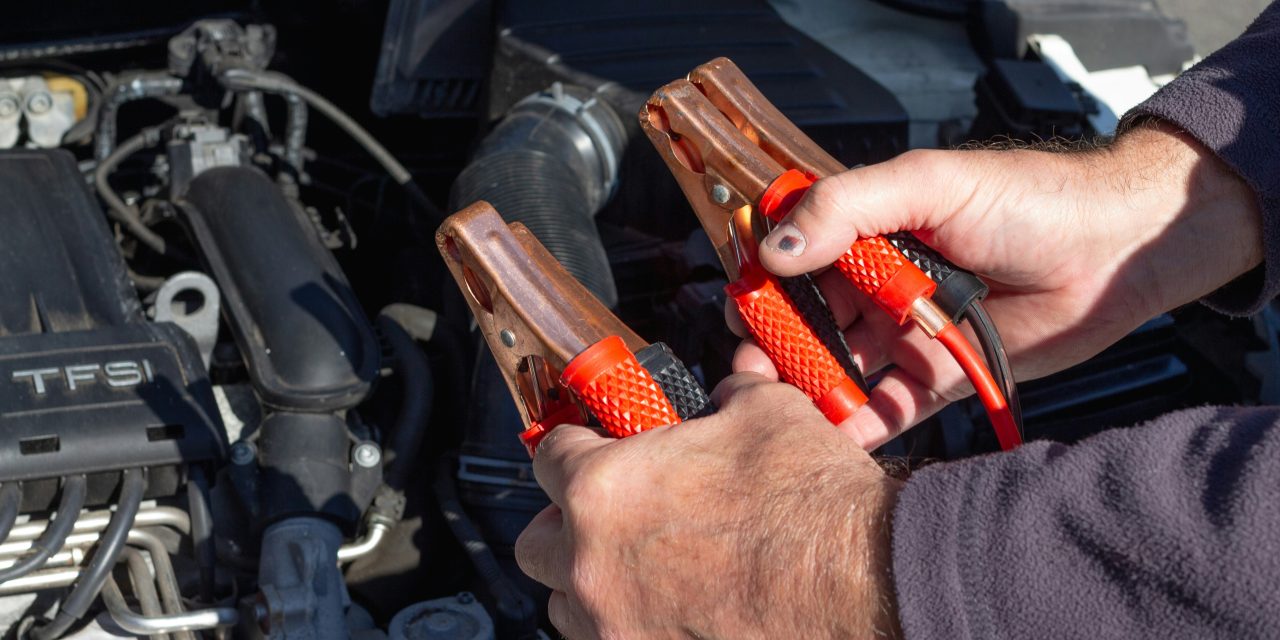
If you find yourself frequently needing jump starts to get your vehicle running, it is a clear indication that your battery may be nearing the end of its lifespan. A healthy battery should hold a charge for an extended period without requiring assistance from another vehicle. Frequent jump starts suggest that the battery cannot retain sufficient energy due to age or internal damage.
While jump-starting can provide a temporary solution, relying on this method repeatedly can lead to further complications within the electrical system. It is advisable to have your battery tested and replaced if necessary to avoid being stranded unexpectedly.
Sign 7: Age of the Battery and Its Impact on Performance
The age of your car battery plays a significant role in its performance and reliability. Most lead-acid batteries have an average lifespan of three to five years, depending on usage patterns and environmental conditions. As batteries age, their ability to hold a charge diminishes, leading to increased susceptibility to failure.
Regularly checking the manufacturing date on your battery can help you gauge its remaining lifespan. If your battery is approaching or exceeding its expected lifespan, proactive replacement can prevent unexpected breakdowns and ensure consistent vehicle performance.
How to Perform a Simple Battery Voltage Test at Home
Performing a simple voltage test at home can provide valuable insights into your battery’s health. To conduct this test, you will need a digital multimeter:
1. **Preparation**: Ensure your vehicle is turned off and all electrical components are inactive.
2. **Set Up**: Set your multimeter to measure DC voltage.
3. **Connect Leads**: Attach the red lead to the positive terminal and the black lead to the negative terminal of the battery.
4. **Read Voltage**: A fully charged battery should read around 12.6 volts or higher. If the reading falls below 12.4 volts, it indicates that the battery may be undercharged or failing.
5. **Load Test**: For more accurate results, consider performing a load test using a specialized load tester available at auto parts stores.
This simple procedure can help you assess whether your battery requires further attention or replacement.
When to Replace Your Car Battery to Avoid Being Stranded
Knowing when to replace your car battery is crucial for avoiding unexpected breakdowns. Signs such as slow cranking, dimming lights, frequent jump starts, and age should prompt immediate consideration for replacement. Additionally, if your battery has been subjected to extreme temperatures or has experienced multiple deep discharges, it may be time for an upgrade.
Most automotive experts recommend replacing batteries every three to five years as a preventive measure. Keeping track of your battery’s age and performance will help you make informed decisions about replacement before you find yourself stranded.
Tips for Maintaining Your Car Battery’s Health and Longevity
To ensure optimal performance and longevity of your car battery, consider implementing these maintenance tips:
1. **Regular Inspections**: Periodically check for corrosion on terminals and clean them as needed.
2. **Secure Connections**: Ensure that all connections are tight and free from dirt or debris.
3. **Avoid Short Trips**: Frequent short trips can prevent the battery from fully charging; try to take longer drives when possible.
4. **Limit Electrical Use**: Minimize usage of electrical components when the engine is off.
5. **Temperature Considerations**: Store your vehicle in a climate-controlled environment when possible; extreme temperatures can adversely affect battery life.
6. **Battery Maintenance Products**: Consider using maintenance-free batteries or those with built-in indicators for charge status.
By following these guidelines, you can significantly extend your car battery’s lifespan while ensuring reliable performance throughout its service life.
In summary, understanding the importance of maintaining a healthy car battery is essential for ensuring reliable vehicle operation. Recognizing signs such as slow engine cranking, dimming lights, warning lights on the dashboard, corrosion on terminals, strange odors, frequent jump starts, and considering age will help you identify potential issues early on. Performing simple voltage tests at home can provide insights into your battery’s health while knowing when to replace it can prevent unexpected breakdowns. Lastly, implementing maintenance tips will enhance longevity and performance, ensuring that your vehicle remains dependable for years to come.
FAQs
What are the common signs of a bad car battery?
Common signs of a bad car battery include difficulty starting the engine, dimming headlights, electrical issues, a swollen battery case, and a check engine light. If you notice any of these symptoms, it may indicate that your battery is failing.
How can I test my car battery’s voltage?
You can test your car battery’s voltage using a multimeter. Set the multimeter to the DC voltage setting, connect the red probe to the positive terminal and the black probe to the negative terminal. A healthy battery should read around 12.6 volts or higher when the engine is off.
What is the lifespan of a typical car battery?
The average lifespan of a car battery is typically between 3 to 5 years, depending on factors such as climate, driving habits, and maintenance. Regular checks can help you determine when it might be time for a replacement.
Can extreme temperatures affect my car battery?
Yes, extreme temperatures can significantly affect a car battery’s performance. Cold weather can reduce the battery’s capacity, making it harder to start the engine, while excessive heat can cause the battery fluid to evaporate, leading to damage and reduced lifespan.
What should I do if I suspect my car battery is bad?
If you suspect your car battery is bad, you should first test its voltage and inspect it for any visible signs of damage. If the battery is low on voltage or shows signs of wear, it is advisable to have it tested by a professional or replaced to avoid being stranded.