Power windows have become a standard feature in modern vehicles, providing convenience and ease of use for drivers and passengers alike. These systems operate through an electric motor that raises and lowers the window glass with the push of a button. The mechanism consists of several components, including the window regulator, motor, switches, and wiring harnesses. Understanding how these elements work together is crucial for diagnosing and resolving issues when they arise.
The power window system is typically controlled by a switch located on the driver’s door panel or individual switches on each passenger door. When the switch is activated, it sends an electrical signal to the window motor, prompting it to engage and move the window up or down. This seamless operation enhances the driving experience, allowing for quick adjustments to airflow and temperature without manual effort. However, like any mechanical system, power windows can encounter problems that may hinder their functionality.
If you’re experiencing issues with your power windows not working, it can be frustrating and inconvenient. There are several potential reasons for this problem, ranging from a blown fuse to a faulty window motor or switch. To explore more about troubleshooting electrical issues in vehicles, you might find this related article helpful: How to Cook Rice in a Rice Cooker: Water Ratios and Timing. Understanding the basics of electrical systems can aid in diagnosing the issue effectively.
Common Causes of Power Window Failure
Power window failures can stem from various issues, each requiring a different approach for resolution. One of the most prevalent causes is electrical malfunctions, which can occur due to faulty wiring or connections. Additionally, mechanical failures such as broken regulators or motors can prevent windows from operating correctly. Understanding these common causes can help vehicle owners identify problems early and take appropriate action.
Another frequent issue is related to the power source itself. A dead or weak battery can lead to insufficient power reaching the window motor, resulting in sluggish or non-responsive windows. Furthermore, blown fuses can interrupt the electrical circuit necessary for window operation. Recognizing these potential pitfalls is essential for maintaining a fully functional power window system.
Dead or Weak Car Battery Issues

A dead or weak car battery is one of the primary culprits behind power window malfunctions. The battery supplies the necessary voltage to power various electrical components in a vehicle, including the power windows. If the battery is not functioning optimally, it may not provide enough energy to operate the window motors effectively.
Symptoms of a weak battery may include dimming headlights, slow cranking when starting the engine, or intermittent electrical issues throughout the vehicle. To address this problem, vehicle owners should regularly check their battery’s health and replace it if necessary. A fully charged battery typically measures around 12.6 volts when the engine is off and should maintain a voltage of approximately 13.7 to 14.7 volts while running.
Blown Fuses and How to Replace Them

Blown fuses are another common reason for power window failure. Fuses act as protective devices within the electrical system, designed to prevent excessive current from damaging components. When a fuse blows, it interrupts the circuit, rendering the power windows inoperative.
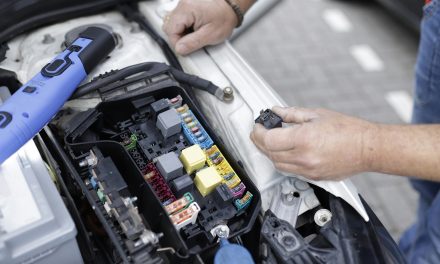
To replace a blown fuse, vehicle owners should first consult their owner’s manual to locate the fuse box and identify the specific fuse associated with the power windows. Once located, the fuse can be removed using a fuse puller or pliers. It is essential to replace it with a fuse of the same amperage rating to ensure proper functionality and safety. After replacing the fuse, testing the power windows will confirm whether this solution resolved the issue.
If you’re experiencing issues with your power windows not working, it could be due to various reasons such as a blown fuse, faulty switches, or wiring problems. To gain a deeper understanding of potential causes and solutions, you might find it helpful to read a related article that discusses troubleshooting techniques. For more insights, check out this informative piece on service dog training, which, while focused on a different topic, emphasizes the importance of understanding the underlying issues in any situation.
Faulty Power Window Switches
Power window switches are integral components that allow users to control window movement. Over time, these switches can wear out or become damaged due to frequent use or exposure to moisture. A faulty switch may result in windows that do not respond when activated or exhibit erratic behavior.
To diagnose a malfunctioning switch, vehicle owners can perform a simple test by using a multimeter to check for continuity when pressing the switch. If no continuity is detected, replacement of the switch may be necessary. Fortunately, replacing a power window switch is often a straightforward process that can be accomplished with basic tools and minimal mechanical knowledge.
Malfunctioning Window Motors
The window motor is responsible for driving the movement of the window glass up and down. If this motor fails, it can lead to complete inoperability of the power windows. Symptoms of a malfunctioning motor may include unusual noises when attempting to operate the windows or no movement at all.
To troubleshoot a suspected motor issue, vehicle owners can listen for any sounds when activating the switch. If there are no sounds or movement, testing the motor directly with a multimeter can confirm whether it is receiving power. If it is determined that the motor is faulty, replacement may be necessary. This process typically involves removing door panels and disconnecting wiring harnesses, making it advisable for those without experience to seek professional assistance.
Broken or Disconnected Window Regulators
Window regulators are mechanical devices that facilitate the movement of the window glass within its frame. Over time, these regulators can become damaged or disconnected due to wear and tear or improper handling during repairs. A broken regulator may prevent the window from moving altogether or cause it to become stuck in one position.
Diagnosing regulator issues often requires removing the door panel to access the internal components. Signs of a malfunctioning regulator include visible damage or misalignment within the mechanism. If repairs are not feasible, replacing the regulator may be necessary to restore proper window function.
Wiring Problems and Electrical Connections
Wiring problems can significantly impact the performance of power windows. Corroded connections, frayed wires, or loose terminals can disrupt electrical flow and lead to intermittent operation or complete failure of the system. Identifying wiring issues often involves visual inspections and testing with a multimeter.
To address wiring problems, vehicle owners should carefully examine all connections related to the power window system for signs of corrosion or damage. Repairing or replacing faulty wiring can restore functionality and prevent future issues from arising.
Diagnosing the Problem Step-by-Step
Diagnosing power window issues requires a systematic approach to identify the root cause effectively. The following steps can guide vehicle owners through this process:
1. **Check Battery Voltage**: Ensure that the battery is fully charged and functioning correctly.
2. **Inspect Fuses**: Examine fuses related to power windows for any signs of damage.
3. **Test Switches**: Use a multimeter to check for continuity in power window switches.
4. **Listen for Motor Sounds**: Activate switches while listening for any sounds from window motors.
5. **Examine Regulators**: Remove door panels to inspect regulators for damage or disconnection.
6. **Inspect Wiring**: Look for frayed wires or corroded connections that may disrupt electrical flow.
By following these steps methodically, vehicle owners can pinpoint issues more accurately and determine whether DIY fixes are feasible or if professional assistance is required.
DIY Fixes for Power Window Issues
Many power window problems can be addressed through DIY fixes, saving time and money on repairs. Some common solutions include:
– **Replacing Blown Fuses**: As previously mentioned, replacing blown fuses is a straightforward task that requires minimal tools.
– **Switch Replacement**: If a switch is determined to be faulty, purchasing a replacement switch and installing it can often be done in under an hour.
– **Lubricating Window Tracks**: Sometimes, windows may become sluggish due to dirt buildup in tracks; applying lubricant can improve movement.
– **Reconnecting Loose Wiring**: If wiring issues are identified, reconnecting loose terminals or repairing frayed wires can restore functionality.
While many DIY fixes are manageable for those with basic mechanical skills, caution should be exercised to avoid causing further damage.
When to Seek Professional Help
While many power window issues can be resolved independently, certain situations warrant professional intervention. If diagnosing problems becomes overly complex or if specialized tools are required for repairs, seeking assistance from an automotive technician is advisable. Additionally, if multiple electrical components are malfunctioning simultaneously, this may indicate deeper electrical issues that necessitate expert evaluation.
Professional mechanics possess advanced diagnostic equipment and experience that can expedite troubleshooting processes and ensure repairs are conducted safely and effectively.
In summary, understanding power windows involves recognizing their components and common failure points such as battery issues, blown fuses, faulty switches, malfunctioning motors, broken regulators, and wiring problems. Diagnosing these issues step-by-step allows vehicle owners to determine whether DIY fixes are viable or if professional help is needed for resolution. Regular maintenance and prompt attention to symptoms can prolong the life of power window systems and enhance overall vehicle functionality.
FAQs
What are common reasons for power windows not working?
Common reasons for power windows not working include a blown fuse, a faulty window motor, a malfunctioning window switch, or issues with the wiring. Additionally, problems with the vehicle’s battery or electrical system can also affect the operation of power windows.
How can I check if the fuse for my power windows is blown?
To check if the fuse for your power windows is blown, locate the fuse box in your vehicle, which is usually found under the dashboard or in the engine compartment. Refer to the owner’s manual to identify the specific fuse for the power windows. Remove the fuse and inspect it; if the metal strip inside is broken or burnt, the fuse is blown and needs to be replaced.
What should I do if the window switch is not working?
If the window switch is not working, first check if the switch is stuck or dirty. You can clean it with electrical contact cleaner. If cleaning does not resolve the issue, you may need to replace the switch. Testing the switch with a multimeter can help determine if it is functioning properly.
Can a dead battery affect power windows?
Yes, a dead or weak battery can affect power windows. Power windows rely on the vehicle’s electrical system, and if the battery does not have enough charge, the windows may not operate. Ensure that the battery is fully charged and in good condition to rule out this issue.
Is it possible for power windows to get stuck due to cold weather?
Yes, cold weather can cause power windows to get stuck. Ice can form around the window seals, making it difficult for the window to move. Additionally, low temperatures can affect the lubrication in the window mechanism. If this happens, gently try to free the window or allow the vehicle to warm up before attempting to operate the windows again.