The starter motor is a crucial component in the automotive electrical system, responsible for initiating the engine’s operation. It converts electrical energy from the battery into mechanical energy, enabling the engine to crank and start. This process involves a series of intricate interactions between various components, including the ignition switch, battery, and solenoid. When the ignition key is turned, an electrical signal is sent to the starter motor, prompting it to engage with the engine’s flywheel and initiate combustion.
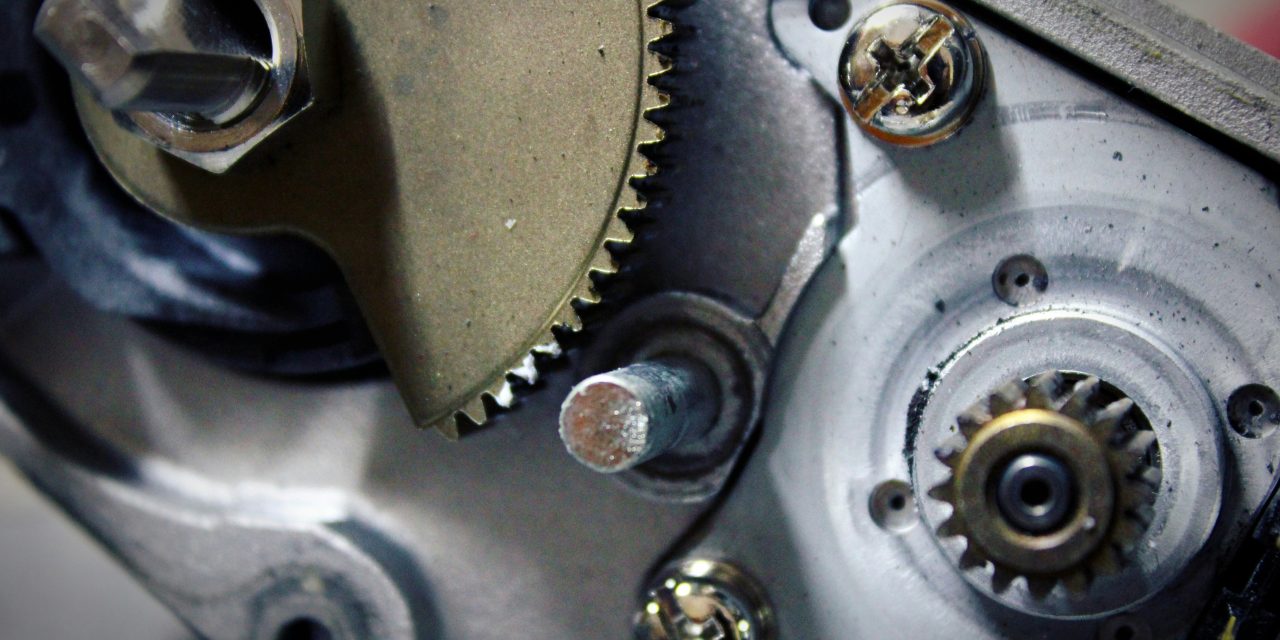
The starter motor typically consists of a powerful electric motor, a solenoid, and a pinion gear. The solenoid acts as a relay, allowing high current to flow from the battery to the motor when activated. The pinion gear engages with the flywheel, allowing the engine to turn over. Understanding this mechanism is essential for diagnosing issues related to starting problems, as any malfunction in these components can lead to significant operational challenges.
If you’re experiencing issues with your vehicle, it’s essential to understand the symptoms of a bad starter motor, which can include a clicking sound when turning the key, a grinding noise, or the engine not starting at all. For more insights on related automotive topics, you might find this article on the benefits of doggy daycare interesting, as it highlights the importance of proper care and attention, much like ensuring your vehicle is in good working condition. You can read more about it here: Top Benefits of Pawesome Academy Doggy Day Care and Training.
Sign 1: Engine Fails to Crank
One of the most apparent signs of a failing starter motor is when the engine fails to crank upon turning the ignition key. This symptom can manifest in various ways, such as complete silence or a faint clicking sound. A silent response often indicates that the starter motor is not receiving power, possibly due to a dead battery or faulty wiring. Conversely, if there is a clicking noise, it may suggest that the solenoid is attempting to engage but lacks sufficient power to turn the motor.
In such cases, it is essential to conduct a thorough inspection of the battery and electrical connections. A multimeter can be used to measure voltage levels at the battery terminals and starter motor. If the battery voltage is low, recharging or replacing it may resolve the issue. However, if the battery is functioning correctly, further investigation into the starter motor and its associated wiring may be necessary.
Sign 2: Clicking Noise When Turning the Key

A clicking noise when attempting to start the vehicle is another common indicator of starter motor issues. This sound typically arises from the solenoid engaging but failing to provide enough power to turn the starter motor. The clicking may be rapid or intermittent, depending on the severity of the problem. In many instances, this symptom points to a weak battery or corroded connections that impede electrical flow.
To address this issue, it is advisable to inspect battery terminals for corrosion and ensure they are tightly connected. Cleaning any corrosion with a wire brush can improve conductivity. If the problem persists after addressing these connections, testing the battery’s voltage and load capacity is crucial. A battery that cannot hold a charge may need replacement, while persistent clicking could indicate a malfunctioning starter motor requiring further examination.
Sign 3: Intermittent Starting Issues

Intermittent starting issues can be particularly frustrating for vehicle owners, as they often occur without warning and can be challenging to diagnose. This symptom may manifest as sporadic failures to start or a delay in engine cranking. Such irregularities often suggest that there is an underlying issue with the starter motor or its electrical connections.
In many cases, intermittent problems can be traced back to faulty wiring or poor connections within the starting system. Conducting a visual inspection of all wiring harnesses and connectors can help identify any signs of wear or damage. Additionally, testing the ignition switch and relay can provide insight into whether these components are contributing to the inconsistency in starting performance.
If you’re experiencing issues with your vehicle not starting, it may be due to a bad starter motor, which can present several symptoms such as a clicking noise or a grinding sound when you turn the key. To better understand the potential problems with your car’s starting system, you might find it helpful to read a related article that discusses common signs of starter motor failure. This resource can provide you with valuable insights and tips for diagnosing the issue. You can check it out here: common signs of starter motor failure.
Sign 4: Starter Motor Spins Without Engaging
When the starter motor spins without engaging with the engine’s flywheel, it indicates a failure in the engagement mechanism. This issue often arises from wear and tear on the pinion gear or solenoid malfunction. In such scenarios, while the starter motor may operate normally, it fails to initiate engine cranking effectively.
To diagnose this problem, one must inspect both the pinion gear and flywheel for signs of damage or excessive wear. If either component shows significant deterioration, replacement may be necessary. Additionally, ensuring that the solenoid is functioning correctly is vital for proper engagement during startup.
Sign 5: Grinding Noise During Startup
A grinding noise during startup is an alarming sign that should not be ignored. This sound typically indicates that the pinion gear is not properly engaging with the flywheel, leading to metal-on-metal contact that can cause severe damage over time. Such grinding noises can result from misalignment between components or excessive wear on either part.
Addressing this issue requires immediate attention to prevent further damage to both the starter motor and engine components. A thorough inspection of alignment and condition of both the pinion gear and flywheel is essential. If misalignment is detected, adjustments may be necessary; however, if wear is evident, replacing either component may be required.
Sign 6: Dim or Flickering Dashboard Lights
Dim or flickering dashboard lights when attempting to start your vehicle can indicate insufficient power reaching the electrical system, often linked to starter motor issues. This symptom suggests that there may be an underlying problem with either the battery or connections leading to the starter motor. When voltage drops significantly during startup attempts, it can cause dashboard lights to dim or flicker.
To troubleshoot this issue, begin by checking battery voltage levels and ensuring that all connections are secure and free from corrosion. If voltage levels are adequate but dashboard lights continue to flicker, further investigation into wiring integrity and potential short circuits may be necessary.
Sign 7: Burning Smell or Smoke Near the Starter
A burning smell or visible smoke near the starter motor is a critical warning sign that should prompt immediate action. This symptom often indicates overheating due to excessive current draw or internal short circuits within the starter motor itself. Ignoring this warning can lead to catastrophic failure of both the starter motor and surrounding components.
If you detect a burning smell or see smoke emanating from the starter area, it is crucial to disconnect the battery immediately to prevent further damage or fire hazards. A professional inspection should follow to assess whether replacement of the starter motor or repairs to wiring are necessary.
How to Diagnose Starter Motor Problems
Diagnosing starter motor problems involves a systematic approach that includes visual inspections and electrical testing. Begin by checking battery voltage using a multimeter; a healthy battery should read around 12.6 volts when fully charged. Next, inspect all connections for corrosion or looseness that could impede electrical flow.
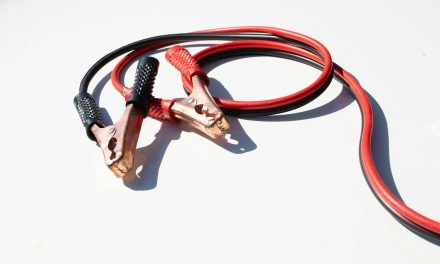
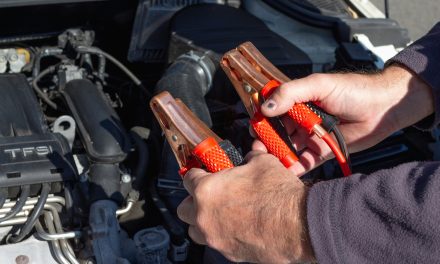
If initial checks do not reveal any issues, proceed with testing the starter motor itself by bypassing it with a direct connection from the battery. If it engages successfully in this manner, further investigation into wiring and relays may be warranted. Conversely, if it fails to engage even when directly powered, replacement of the starter motor may be necessary.
When to Replace Your Starter Motor
Replacement of your starter motor should be considered when diagnostic tests confirm persistent issues that cannot be resolved through repairs or maintenance. Signs such as grinding noises, failure to engage, or burning smells indicate significant wear or damage that compromises functionality.
Additionally, if your vehicle experiences frequent starting issues despite having a fully charged battery and clean connections, it may be time for replacement. Consulting with a qualified mechanic can provide clarity on whether repair or replacement is more cost-effective based on your specific situation.
Preventative Maintenance Tips to Extend Starter Life
To prolong the life of your starter motor and minimize potential issues, regular preventative maintenance is essential. Here are several tips:
1. **Battery Maintenance**: Ensure your battery remains fully charged and free from corrosion at terminals.
2. **Electrical Connections**: Regularly inspect wiring harnesses for wear and ensure all connections are tight.
3. **Routine Inspections**: Schedule periodic inspections with a qualified mechanic who can assess your starting system’s health.
4. **Avoid Short Trips**: Frequent short trips can prevent your battery from fully charging; consider longer drives occasionally.
5. **Listen for Unusual Noises**: Pay attention to any abnormal sounds during startup; early detection can prevent more significant issues.
In summary, understanding your vehicle’s starter motor and recognizing signs of potential failure can save you time and money in repairs down the line. By being proactive about maintenance and addressing issues promptly, you can ensure reliable vehicle performance for years to come.
FAQs
What are the common symptoms of a bad starter motor?
Common symptoms of a bad starter motor include a clicking sound when turning the key, the engine not starting at all, or the starter motor running continuously even after the engine has started. Additionally, you may notice dimming lights or electrical issues when attempting to start the vehicle.
How can I tell if my starter motor is failing?
You can tell if your starter motor is failing by observing signs such as intermittent starting issues, unusual noises like grinding or whirring, and a complete failure to start the engine. If you notice these symptoms, it may indicate that the starter motor is malfunctioning.
Can a bad starter motor drain the battery?
Yes, a bad starter motor can drain the battery. If the starter motor is stuck in the engaged position or is drawing excessive current due to internal faults, it can lead to battery depletion, preventing the vehicle from starting.
What should I do if I suspect my starter motor is bad?
If you suspect your starter motor is bad, it is advisable to have it tested by a professional mechanic. They can perform diagnostic tests to confirm the issue and recommend repairs or replacement if necessary.
Is it safe to drive with a bad starter motor?
It is not safe to drive with a bad starter motor, as it can lead to unexpected breakdowns and leave you stranded. If you experience symptoms of a failing starter motor, it is best to address the issue promptly to avoid further complications.