The rapid clicking noise emanating from a vehicle when attempting to start is a common yet perplexing issue that many drivers encounter. This sound typically manifests as a series of quick, repetitive clicks, often leading to frustration and confusion. Understanding the underlying causes of this phenomenon is crucial for effective troubleshooting and resolution. The clicking noise is generally indicative of insufficient electrical current reaching the starter motor, which is responsible for initiating the engine’s operation.
When the ignition key is turned, the battery sends power to the starter solenoid, which engages the starter motor. If the electrical supply is compromised, the solenoid may engage but fail to provide enough power to turn the engine over, resulting in that characteristic clicking sound. This auditory signal serves as a warning that something within the vehicle’s electrical system requires attention. Identifying the root cause of this issue can save time and money, preventing unnecessary repairs or replacements.
If you’re experiencing rapid clicking noises when starting your car, it could indicate a problem with the battery or starter motor. For more insights into common automotive issues and their solutions, you might find this article helpful: Top 10 Puppy Training Tips & Benefits of Dog Daycare Centers. While the article primarily focuses on dog care, it also emphasizes the importance of understanding various aspects of maintenance, which can be applied to car care as well.
Dead or Weak Battery: The Most Common Culprit
One of the primary reasons for a rapid clicking noise during startup is a dead or weak battery. The battery serves as the heart of the vehicle’s electrical system, providing the necessary voltage to power various components, including the starter motor. A fully charged battery typically delivers around 12.6 volts; however, if the voltage drops below 12 volts, it may struggle to provide sufficient power for starting the engine.
Several factors can contribute to battery failure, including age, extreme temperatures, and parasitic drains from electrical components. For instance, a battery older than three to five years may exhibit diminished capacity, making it more susceptible to failure. Additionally, cold weather can exacerbate battery issues, as low temperatures can reduce a battery’s ability to hold a charge. Regular maintenance, such as checking voltage levels and ensuring proper connections, can help mitigate these risks and prolong battery life.
Corroded or Loose Battery Connections

In addition to battery health, corroded or loose battery connections can significantly impact starting performance. The terminals connecting the battery to the vehicle’s electrical system must be clean and secure to ensure optimal conductivity. Corrosion can manifest as a white, powdery substance around the terminals, which acts as an insulator and impedes electrical flow.
Loose connections can also prevent adequate power transfer from the battery to the starter motor. Over time, vibrations from driving can cause terminal connections to loosen, leading to intermittent electrical issues. Regularly inspecting and cleaning battery terminals can help prevent these problems. A mixture of baking soda and water can effectively neutralize corrosion, while a wire brush can be used to scrub away any buildup. Ensuring tight connections will enhance electrical flow and improve starting reliability.
Faulty Starter Motor and Its Impact on Starting

A malfunctioning starter motor can also contribute to rapid clicking noises during startup attempts. The starter motor is an electromechanical device that converts electrical energy from the battery into mechanical energy to crank the engine. If the starter motor is defective or worn out, it may fail to engage properly, resulting in a clicking sound without any engine turnover.
Common signs of a faulty starter motor include grinding noises, a burning smell, or complete silence when attempting to start the vehicle. Diagnosing starter motor issues typically involves testing its functionality with a multimeter or performing a bench test. If the starter motor is determined to be faulty, replacement is often necessary to restore proper starting function.
If you’ve ever wondered why your car makes rapid clicking noises when starting, you might find it helpful to explore related issues that can affect your vehicle’s performance. A common culprit for such sounds is a weak battery or poor connections, which can lead to insufficient power reaching the starter motor. For more insights on troubleshooting various mechanical problems, you can check out this informative article about maintaining your car’s overall health. Understanding these aspects can help you prevent potential breakdowns and ensure a smoother driving experience. For further reading, visit this link.
Issues with the Alternator Affecting Startup
The alternator plays a vital role in maintaining the vehicle’s electrical system by charging the battery while the engine runs. If the alternator is malfunctioning or failing, it may not adequately charge the battery, leading to insufficient power during startup attempts. A weak or failing alternator can result in rapid clicking noises as the battery struggles to provide enough voltage for starting.
Symptoms of alternator issues may include dimming headlights, warning lights on the dashboard, or unusual noises coming from the alternator itself. Testing the alternator’s output with a multimeter can help determine if it is functioning correctly. If it is found to be defective, replacing it will ensure that the battery receives adequate charging and improve overall vehicle reliability.
The Role of the Ignition Switch in Rapid Clicking
The ignition switch is another critical component that can contribute to rapid clicking noises during startup attempts. This switch controls the flow of electricity from the battery to various systems within the vehicle, including the starter motor. If the ignition switch is faulty or worn out, it may not provide a consistent electrical connection, leading to intermittent starting issues characterized by clicking sounds.
Diagnosing ignition switch problems typically involves checking for continuity with a multimeter and inspecting for any visible signs of wear or damage. If deemed faulty, replacing the ignition switch can restore proper electrical flow and eliminate clicking noises during startup.
How Cold Weather Can Trigger Clicking Sounds
Cold weather can significantly impact a vehicle’s starting performance and may trigger rapid clicking noises when attempting to start an engine. Low temperatures can reduce battery efficiency and increase oil viscosity, making it more challenging for the engine to turn over. As a result, drivers may experience clicking sounds as the starter motor struggles to engage due to insufficient power from a cold-stressed battery.
To mitigate cold weather effects on starting performance, drivers should consider using a battery warmer or maintaining their vehicle in a garage during extreme temperatures. Additionally, ensuring that engine oil is appropriate for colder climates can help reduce viscosity and improve starting efficiency.
Impact of Electrical System Problems on Starting
Electrical system problems can have far-reaching effects on a vehicle’s ability to start properly. Issues such as frayed wiring, blown fuses, or malfunctioning relays can disrupt the flow of electricity throughout the system, leading to symptoms like rapid clicking noises during startup attempts. Identifying these problems often requires thorough inspection and testing of various electrical components.
Regular maintenance checks on wiring harnesses and connections can help prevent electrical issues from arising. Additionally, using high-quality fuses and relays designed for specific applications can enhance reliability and reduce potential failures within the electrical system.
Diagnosing a Bad Starter Solenoid
The starter solenoid is an essential component that acts as a relay between the battery and starter motor. When you turn the ignition key, the solenoid engages and allows current to flow from the battery to start the engine. A malfunctioning solenoid may produce rapid clicking sounds without engaging the starter motor effectively.
To diagnose a bad starter solenoid, technicians often perform tests using a multimeter to check for continuity and voltage drop across terminals. If found defective, replacing the solenoid is typically straightforward and can resolve starting issues associated with clicking noises.
When to Check the Engine Ground Connections
Engine ground connections are critical for ensuring proper electrical flow throughout a vehicle’s systems. A poor ground connection can lead to various electrical issues, including rapid clicking noises during startup attempts. Ground connections should be inspected regularly for corrosion or looseness that could impede electrical conductivity.
If you suspect ground connection issues are contributing to starting problems, visually inspect ground straps and connections for signs of wear or corrosion. Cleaning or replacing corroded connections can significantly improve starting performance and eliminate unwanted clicking sounds.
Steps to Take When Your Car Makes Rapid Clicking Noises
When faced with rapid clicking noises during startup attempts, there are several steps drivers can take to diagnose and potentially resolve the issue:
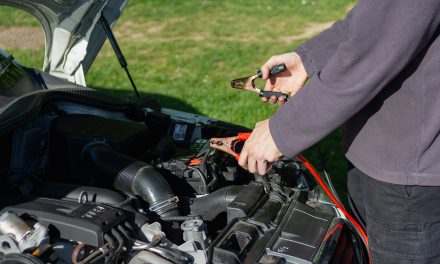
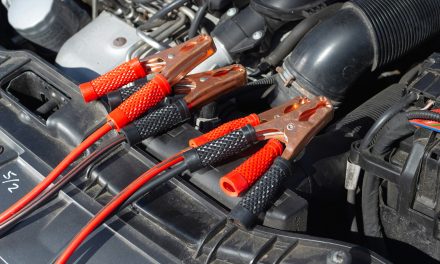
1. **Check Battery Voltage**: Use a multimeter to measure battery voltage; if it’s below 12 volts, consider jump-starting or replacing it.
2. **Inspect Battery Connections**: Ensure terminals are clean and securely connected; clean any corrosion present.
3. **Test Starter Motor**: If clicking persists after addressing battery issues, test or replace the starter motor.
4. **Evaluate Alternator Functionality**: Check if the alternator is charging adequately; replace if necessary.
5. **Examine Ignition Switch**: Test for continuity in the ignition switch; replace if faulty.
6. **Assess Electrical System**: Inspect wiring harnesses and fuses for damage; repair as needed.
7. **Consider Environmental Factors**: Be mindful of cold weather effects on battery performance; use appropriate oil viscosity for winter conditions.
By following these steps systematically, drivers can effectively troubleshoot rapid clicking noises and restore their vehicle’s starting capabilities.
In summary, understanding rapid clicking noises during startup involves recognizing various potential causes ranging from dead batteries to faulty components within the electrical system. Regular maintenance checks and timely interventions can prevent these issues from escalating into more significant problems while ensuring reliable vehicle operation in all conditions.
FAQs
What causes rapid clicking noises when starting a car?
Rapid clicking noises when starting a car are typically caused by a weak battery or poor battery connections. When the battery does not have enough power to turn the starter motor, it can result in a clicking sound as the starter solenoid engages and disengages rapidly.
Can a dead battery cause clicking noises?
Yes, a dead or severely discharged battery is one of the most common reasons for clicking noises when starting a car. If the battery voltage is too low, it may not provide sufficient power to the starter motor, leading to the clicking sound.
How can I determine if my battery is the issue?
You can determine if the battery is the issue by checking the battery voltage with a multimeter. A healthy battery should read around 12.6 volts or higher. If the voltage is below 12 volts, the battery may be weak or dead. Additionally, inspecting the battery terminals for corrosion or loose connections can help identify problems.
What other issues could cause clicking noises besides the battery?
Besides the battery, clicking noises can also be caused by a faulty starter motor, a bad ignition switch, or issues with the electrical system, such as damaged wiring or blown fuses. Each of these components can prevent the starter from functioning properly, resulting in clicking sounds.
What should I do if my car makes clicking noises when starting?
If your car makes clicking noises when starting, first check the battery and its connections. If the battery is weak, try jump-starting the car. If the problem persists, it may be necessary to have the starter motor or other electrical components inspected by a professional mechanic.