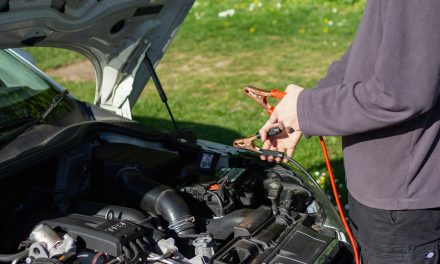
Jump starting a vehicle is a fundamental skill that every driver should possess. This process involves using a secondary power source, typically another vehicle’s battery, to provide the necessary voltage to start a car with a depleted battery. The procedure is relatively straightforward but requires attention to detail to ensure safety and effectiveness. The primary components involved in jump starting include jumper cables, two vehicles (one with a functional battery and one with a dead battery), and an understanding of the electrical systems at play.
The mechanics behind jump starting hinge on the principle of electrical flow. When the dead battery is connected to a charged battery via jumper cables, electrons flow from the charged battery into the dead one, replenishing its energy. This process can be crucial in situations where a vehicle’s battery has been drained due to prolonged inactivity, extreme weather conditions, or electrical system failures. Understanding the polarity of battery terminals—positive (+) and negative (−)—is essential, as incorrect connections can lead to severe damage or even explosions.
If you’re considering jump-starting a car in the rain, it’s essential to be aware of the safety precautions involved. For more tips on handling challenging situations around the home, you might find this article on fixing drafty windows without replacing them helpful. You can read it here: how to fix drafty windows without replacing them.
Is It Safe to Jump Start a Car in the Rain?
Jump starting a car in inclement weather, particularly rain, raises valid concerns regarding safety and efficacy. While it is technically possible to perform this task in wet conditions, several factors must be considered to mitigate risks. Water is a conductor of electricity, which can increase the likelihood of short circuits or electrical shocks if proper precautions are not taken. However, many drivers find themselves in situations where they have no choice but to jump start their vehicles in the rain.
To ensure safety while jump starting in the rain, it is crucial to assess the environment and take necessary precautions. If the rain is light and manageable, and if you have access to appropriate safety gear, jump starting may proceed with caution. However, if conditions are severe—such as heavy downpours or thunderstorms—it’s advisable to wait until the weather improves or seek alternative solutions.
Risks Associated with Jump Starting in Wet Conditions

Jump starting a vehicle during rainy weather presents several inherent risks that can compromise both personal safety and vehicle integrity. One of the primary concerns is the increased likelihood of electrical shock. Water can create conductive pathways that may lead to unintended electrical discharges, posing a danger to anyone handling jumper cables or working near the battery terminals.
Additionally, moisture can infiltrate sensitive electronic components within the vehicle, potentially leading to corrosion or short-circuiting. This can result in further complications beyond just a dead battery, including damage to the vehicle’s electrical system or onboard computers. Furthermore, slippery surfaces can increase the risk of physical accidents while maneuvering around vehicles or handling equipment.
Essential Safety Gear for Jump Starting in the Rain

When preparing to jump start a car in wet conditions, equipping oneself with appropriate safety gear is paramount. Essential items include waterproof gloves designed for electrical work, which provide insulation against potential shocks while keeping hands dry. Additionally, wearing rubber-soled shoes can enhance grip on slippery surfaces, reducing the risk of falls.
A raincoat or waterproof jacket is also advisable to keep clothing dry and maintain comfort during the process. Using an umbrella can provide additional protection from rain while working on the vehicle. Lastly, having a flashlight or headlamp can be beneficial if visibility is compromised due to overcast skies or heavy precipitation.
If you’re wondering about the safety of jump-starting a car in the rain, it’s essential to consider various factors that could affect the process. For instance, ensuring that the jumper cables are in good condition and that you are taking the necessary precautions can help mitigate risks. Additionally, you might find it interesting to explore how environmental conditions can impact other aspects of your life, such as pet care. For tips on keeping your cat happy and healthy, you can check out this article on hydration tips here.
Step-by-Step Guide to Jump Starting a Car Safely in the Rain
1. **Preparation**: Before attempting to jump start, ensure both vehicles are parked close enough for the jumper cables to reach both batteries without stretching. Turn off all electrical components in both vehicles, including headlights and radios.
2. **Inspect Equipment**: Check jumper cables for any signs of wear or damage. Ensure that both batteries are clean and free from corrosion.
3. **Connect Cables**: Begin by connecting one end of the positive (red) cable to the positive terminal of the dead battery. Next, attach the other end of the positive cable to the positive terminal of the charged battery. Then connect one end of the negative (black) cable to the negative terminal of the charged battery.
4. **Ground Connection**: Instead of connecting the negative cable directly to the dead battery’s terminal, attach it to an unpainted metal surface on the engine block or chassis of the vehicle with the dead battery. This reduces the risk of sparks near the battery.
5. **Start the Donor Vehicle**: Start the vehicle with the functional battery and let it run for a few minutes to allow charging.
6. **Attempt to Start**: After waiting a few minutes, attempt to start the vehicle with the dead battery. If it does not start immediately, wait another minute before trying again.
7. **Disconnect Cables**: Once started, carefully disconnect cables in reverse order—negative from ground first, then from charged battery, followed by positive from charged battery and finally from dead battery.
8. **Drive**: Allow the revived vehicle to run for at least 20 minutes to recharge its battery adequately.
When considering the safety of jump starting a car in the rain, it’s important to understand the potential risks involved. Wet conditions can increase the likelihood of electrical shorts or other hazards. For more information on how to handle unexpected situations with your vehicle, you might find this article on preventing accidents helpful. Always prioritize safety and be cautious when working with electrical systems in adverse weather.
How to Protect the Battery and Cables from Moisture
To safeguard both the battery and jumper cables from moisture during rainy conditions, several proactive measures can be implemented. First and foremost, ensure that all connections are secure and free from corrosion before initiating any jump start procedure. Applying dielectric grease on terminals can create a moisture barrier that helps prevent corrosion.
Additionally, using waterproof covers for batteries can provide an extra layer of protection against rain exposure when not in use. For jumper cables, storing them in a dry location when not needed will help maintain their integrity over time. If cables do get wet during use, drying them thoroughly before storage is essential to prevent rusting or degradation.
Choosing the Right Location for a Rainy-Day Jump Start
Selecting an appropriate location for jump starting a vehicle in rainy weather is critical for ensuring safety and efficiency. Ideally, find a flat surface away from traffic where you can work without distractions or hazards. Parking under an awning or sheltered area can provide protection from rain while allowing you to perform necessary tasks without getting soaked.
Avoid areas prone to flooding or standing water, as these conditions can exacerbate risks associated with electrical shock and vehicle stability. If possible, position both vehicles so that they are facing away from each other; this minimizes exposure to rain while allowing easy access to both batteries.
Common Mistakes to Avoid When Jump Starting in Wet Weather
Several common pitfalls can occur when attempting to jump start a car in rainy conditions that should be avoided at all costs. One significant mistake is neglecting proper safety gear; failing to wear insulated gloves or rubber-soled shoes increases vulnerability to electrical hazards.
Another frequent error involves incorrect cable connections; always double-check that positive cables are connected first and that ground connections are made away from battery terminals. Additionally, rushing through the process without allowing sufficient time for charging can lead to frustration and potential damage.
Lastly, ignoring environmental factors such as wind direction can lead to water splashing onto electrical components during jump starting attempts; always be mindful of your surroundings when working in adverse weather conditions.
Alternative Methods to Start a Car When Jump Starting Isn’t Safe
In situations where jump starting is deemed unsafe due to severe weather conditions or other factors, alternative methods may be employed to start a vehicle with a dead battery. One option is using a portable jump starter—a compact device equipped with its own battery that can provide sufficient power without needing another vehicle.
Another alternative is push-starting (for manual transmission vehicles), which involves rolling the car downhill or having someone push it while engaging the ignition in gear; this method relies on momentum rather than electrical power but requires careful coordination.
Lastly, contacting roadside assistance services can provide peace of mind when self-jump starting poses too many risks; professionals are equipped with tools and expertise necessary for safely reviving your vehicle.
Maintenance Tips to Prevent Battery Failure in Rainy Seasons
Preventative maintenance plays an essential role in avoiding battery failure during rainy seasons. Regularly inspecting battery terminals for corrosion and ensuring tight connections can significantly extend battery life. Additionally, cleaning terminals with a mixture of baking soda and water can help neutralize acid buildup that may occur over time.
Keeping batteries fully charged is crucial; consider investing in a trickle charger or maintaining regular driving habits that allow for adequate charging cycles. Furthermore, storing vehicles in garages or covered areas during inclement weather can protect batteries from extreme moisture exposure.
Lastly, consider replacing older batteries before rainy seasons begin; most automotive batteries have a lifespan of 3-5 years, so proactive replacement can prevent unexpected failures when you need your vehicle most.
When to Call a Professional Instead of Jump Starting Yourself
While many drivers may feel confident attempting a jump start themselves, there are circumstances where calling a professional is advisable for safety reasons. If you encounter persistent issues after multiple jump starts or if there are signs of electrical system failure—such as flickering lights or unusual noises—it’s best to consult an automotive technician.
Additionally, if you feel uncomfortable performing any part of the jump-starting process due to adverse weather conditions or lack of experience, seeking professional assistance ensures that your vehicle receives proper care without risking personal safety.
In conclusion, understanding how to safely jump start a car in rainy conditions requires knowledge of both technique and safety precautions. By being prepared with essential gear and following best practices while remaining vigilant about environmental factors, drivers can effectively manage their vehicles’ needs even during inclement weather. Regular maintenance and awareness of alternative solutions further enhance preparedness for any situation that may arise on the road.
FAQs
Can you jump start a car in the rain?
Yes, you can jump start a car in the rain. However, it is important to take precautions to ensure safety, such as using waterproof gear and avoiding standing in puddles while handling electrical connections.
Is it safe to use jumper cables in wet conditions?
Using jumper cables in wet conditions can be safe if proper precautions are taken. Ensure that the cables do not come into contact with water and that you are wearing rubber-soled shoes to reduce the risk of electric shock.
What precautions should I take when jump starting a car in the rain?
When jump starting a car in the rain, make sure to keep the battery terminals dry, use insulated gloves, and avoid touching any metal parts of the jumper cables while connecting them. Additionally, try to find a sheltered area if possible.
Can rain affect the performance of jumper cables?
Rain itself does not significantly affect the performance of jumper cables, but wet conditions can increase the risk of corrosion on the battery terminals and connections. It’s advisable to dry the terminals before making connections if they are wet.
What should I do if my car won’t start after jump starting in the rain?
If your car does not start after attempting to jump start it in the rain, check the connections to ensure they are secure and free of moisture. If it still doesn’t start, you may need to seek professional assistance or check for other issues such as a dead battery or faulty starter.