Car skidding is a critical safety concern, particularly on wet roads where the risk of losing traction is significantly heightened. Skidding occurs when a vehicle’s tires lose grip on the road surface, leading to a loss of control. This phenomenon can be attributed to various factors, including weather conditions, tire quality, and driving behavior. When water accumulates on the road, it creates a slippery layer that can reduce friction between the tires and the pavement, making it easier for vehicles to skid. Understanding the mechanics behind skidding is essential for drivers to mitigate risks and enhance safety.
The physics of skidding involves the principles of friction and inertia. When a vehicle accelerates, decelerates, or turns, the tires must maintain contact with the road to ensure stability. On wet surfaces, the coefficient of friction decreases, which can lead to hydroplaning—a situation where tires ride on top of water rather than making contact with the road. This loss of traction can result in uncontrollable slides, making it imperative for drivers to recognize the signs of skidding and take preventive measures.
If you’ve ever wondered why your car skids when braking on wet roads, understanding the science behind tire traction and road conditions is crucial. A related article that delves into the importance of maintaining proper tire health and the effects of water on road surfaces can provide valuable insights. You can read more about it in this informative piece: Top 10 Animal Day Care Centers for Happy and Healthy Pets.
The Role of Tire Tread Depth in Preventing Skids
Tire tread depth plays a pivotal role in maintaining traction on wet surfaces. The tread pattern is designed to channel water away from the tire’s contact patch, allowing for better grip. The legal minimum tread depth in many regions is 1.6 mm; however, experts recommend a minimum of 3 mm for optimal performance in wet conditions. Tires with adequate tread depth can effectively disperse water, reducing the likelihood of hydroplaning and enhancing overall vehicle stability.
Regularly checking tire tread depth is crucial for safe driving. Drivers can use a simple penny test: inserting a penny into the tread with Lincoln’s head facing down; if the top of his head is visible, it indicates that the tread is too worn and should be replaced. Additionally, investing in high-quality tires designed for wet conditions can significantly improve safety. Performance tires often feature specialized tread patterns that enhance water evacuation and grip, making them a wise choice for those frequently driving in rainy environments.
How Worn or Improper Tires Contribute to Skidding

Worn or improperly inflated tires are significant contributors to skidding incidents on wet roads. Tires that have lost their tread depth cannot effectively channel water away from the contact patch, leading to reduced traction and increased risk of hydroplaning. Furthermore, tires that are under-inflated or over-inflated can alter their contact with the road surface, exacerbating the potential for skidding. Maintaining proper tire pressure is essential not only for fuel efficiency but also for ensuring optimal handling and safety.
In addition to tread wear and inflation issues, mismatched tires can also pose a risk. Using different types or sizes of tires on a vehicle can lead to uneven handling characteristics, making it more challenging to control during adverse weather conditions. Regular tire rotations and alignments are recommended to ensure even wear and maintain consistent performance across all four tires.
The Impact of Brake System Condition on Wet Road Safety

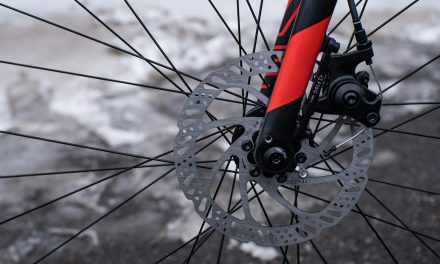
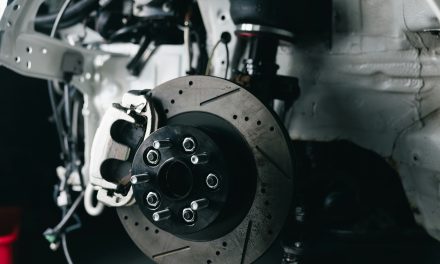
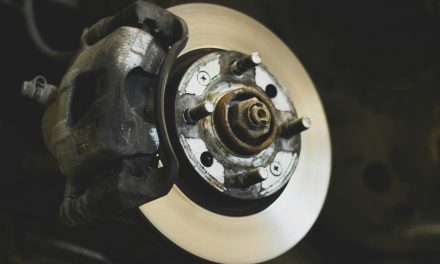
The condition of a vehicle’s brake system is paramount for ensuring safety on wet roads. Worn brake pads or malfunctioning brake components can significantly impair stopping power, increasing the likelihood of skidding during emergency situations. Hydraulic brake systems rely on fluid pressure to engage brake pads against rotors; any leaks or air bubbles in this system can lead to diminished braking efficiency.
Routine maintenance checks should include an inspection of brake pads, rotors, and fluid levels. Drivers should be aware of warning signs such as squeaking noises or a spongy brake pedal feel, which may indicate that immediate attention is required. Upgrading to high-performance brake pads designed for wet conditions can also enhance stopping power and reduce the risk of skidding.
Understanding why your car skids when braking on wet roads can be crucial for your safety. Factors such as tire tread depth, road conditions, and braking techniques all play a significant role in maintaining control. For a deeper insight into how various conditions can affect vehicle performance, you might find this article on furnace issues interesting, as it highlights how environmental factors can impact functionality. Check it out here for more information.
Why Excessive Speed Increases the Risk of Skidding
Driving at excessive speeds is one of the most significant factors contributing to skidding on wet roads. Higher velocities reduce the time available for drivers to react to sudden changes in road conditions or obstacles. When traveling at high speeds, even minor steering adjustments can lead to loss of control, particularly when traction is compromised due to wet surfaces.
The relationship between speed and stopping distance is critical; as speed increases, so does the distance required to come to a complete stop. On wet roads, this distance can double or even triple compared to dry conditions. Therefore, adhering to speed limits and adjusting driving behavior according to weather conditions is essential for maintaining control and preventing skids.
The Effect of Road Surface and Water Accumulation
The type and condition of road surfaces significantly influence vehicle handling during wet weather. Smooth surfaces such as asphalt can become particularly slippery when wet, especially if they are worn or have accumulated debris. Additionally, potholes or cracks can trap water, creating hazardous conditions that increase the risk of skidding.
Water accumulation on roads can lead to dangerous situations such as aquaplaning, where tires lose contact with the road entirely due to a layer of water beneath them. Drivers should be vigilant about avoiding standing water and should adjust their speed accordingly when navigating through puddles or flooded areas. Awareness of local road conditions and weather forecasts can help drivers prepare for potential hazards.
How ABS (Anti-lock Braking System) Helps Control Skids
The Anti-lock Braking System (ABS) is a crucial technological advancement designed to enhance vehicle safety during braking maneuvers on slippery surfaces. ABS prevents wheel lock-up by modulating brake pressure during hard braking situations, allowing drivers to maintain steering control while slowing down. This feature is particularly beneficial on wet roads where skidding is more likely.
When equipped with ABS, drivers can apply maximum braking force without fear of losing control. The system automatically adjusts brake pressure multiple times per second, optimizing stopping power while preventing skids. It is essential for drivers to understand how ABS functions; pressing firmly on the brake pedal while allowing the system to do its job will yield the best results in emergency situations.
The Importance of Proper Braking Techniques on Wet Surfaces
Employing proper braking techniques is vital for maintaining control on wet roads. Drivers should avoid sudden or harsh braking actions that can lead to skidding; instead, gradual braking allows for smoother deceleration and reduces the risk of losing traction. Anticipating stops well in advance enables drivers to apply brakes gently and maintain better control over their vehicles.
Additionally, utilizing engine braking by downshifting can help slow down a vehicle without relying solely on brakes. This technique reduces wear on brake components while providing additional stability during deceleration. Understanding how to balance braking with steering inputs is essential for navigating wet conditions safely.
How Vehicle Weight Distribution Affects Skidding
The distribution of weight within a vehicle significantly impacts its handling characteristics during wet weather driving. Vehicles with uneven weight distribution may experience instability when cornering or braking, increasing the likelihood of skidding. Properly loaded vehicles ensure that weight is evenly distributed across all four tires, enhancing traction and stability.
Drivers should be mindful of how cargo placement affects weight distribution; heavy loads should be secured low in the vehicle’s center to maintain balance. Additionally, understanding how different driving conditions affect weight transfer during maneuvers can help drivers anticipate potential skidding scenarios and adjust their driving accordingly.
Tips for Maintaining Your Car to Reduce Skid Risk
Regular maintenance is essential for reducing skid risk on wet roads. Here are several key tips:
1. **Tire Maintenance**: Regularly check tire pressure and tread depth; replace tires when they reach 3 mm tread depth.
2. **Brake System Inspection**: Schedule routine inspections for brake pads and fluid levels; replace worn components promptly.
3. **Fluid Checks**: Ensure that all fluids—brake fluid, power steering fluid—are at appropriate levels.
4. **Alignment and Rotation**: Perform regular wheel alignments and tire rotations to promote even wear.
5. **Suspension Maintenance**: Inspect suspension components regularly; worn shocks or struts can affect handling.
6. **Driving Habits**: Practice defensive driving techniques; anticipate stops and adjust speed according to weather conditions.
By adhering to these maintenance practices, drivers can significantly reduce their risk of skidding during inclement weather.
Emergency Actions to Take When Your Car Starts to Skid
In the unfortunate event that a vehicle begins to skid, knowing how to react appropriately can make all the difference in regaining control:
1. **Stay Calm**: Panic can exacerbate the situation; take a deep breath and focus on regaining control.
2. **Avoid Sudden Movements**: Do not jerk the steering wheel or slam on brakes; instead, steer gently in the direction you want to go.
3. **Release the Accelerator**: Gradually ease off the gas pedal; this helps reduce speed without causing further loss of traction.
4. **Use ABS if Equipped**: If your vehicle has ABS, apply steady pressure on the brake pedal; do not pump brakes.
5. **Look Where You Want to Go**: Focus your gaze on your intended path rather than obstacles; this helps guide your steering inputs.
6. **Practice Recovery Techniques**: Familiarize yourself with recovery techniques in safe environments; practice makes perfect.
By following these emergency actions, drivers can enhance their chances of regaining control during a skid.
In summary, understanding car skidding dynamics on wet roads involves recognizing factors such as tire tread depth, brake system condition, speed management, road surface characteristics, and proper driving techniques. Regular maintenance practices are essential for ensuring vehicle safety while advanced technologies like ABS provide additional support in critical situations. By being proactive about vehicle care and employing effective driving strategies, individuals can significantly reduce their risk of skidding and enhance overall road safety during adverse weather conditions.
FAQs
What causes a car to skid when braking on wet roads?
A car skids on wet roads primarily due to reduced traction between the tires and the road surface. Water creates a layer between the tires and the pavement, which can lead to hydroplaning or loss of grip, especially if the tires are worn or not properly inflated.
How can tire condition affect skidding on wet roads?
Tire condition plays a crucial role in maintaining traction. Worn tires with insufficient tread depth cannot effectively channel water away from the contact patch, increasing the likelihood of skidding. Regularly checking tire tread and replacing tires when necessary can help prevent skidding.
What driving techniques can help prevent skidding on wet roads?
To prevent skidding, drivers should maintain a safe following distance, reduce speed when approaching turns or intersections, and avoid sudden braking or sharp steering. Smooth and gradual inputs can help maintain control of the vehicle on wet surfaces.
Does the type of brakes affect skidding on wet roads?
Yes, the type of braking system can influence skidding. Anti-lock braking systems (ABS) help prevent wheel lock-up during hard braking, allowing drivers to maintain steering control. Vehicles without ABS may skid more easily if the brakes are applied too forcefully on wet roads.
What should I do if my car starts to skid on wet roads?
If your car begins to skid, it is important to remain calm. Ease off the accelerator and avoid slamming on the brakes. Instead, steer gently in the direction you want to go. If you have ABS, apply steady pressure to the brakes; if not, pump the brakes gently to regain control.