Charging a dead car battery is a common task that many vehicle owners encounter, yet it carries inherent risks that must be acknowledged. The primary concern is the potential for battery explosion due to gas buildup, particularly hydrogen, which is highly flammable. When charging, the battery can emit gases that, if ignited, can lead to catastrophic results. Additionally, improper handling of the battery can result in acid spills, which pose a significant risk to both personal safety and vehicle integrity.
Moreover, there is the risk of electrical shock when working with a battery. The high voltage present in a car battery can cause severe injury if proper precautions are not taken. It is crucial to understand these risks and take appropriate measures to mitigate them. Familiarizing oneself with the battery’s specifications and the charger’s capabilities is essential to ensure a safe charging process.
If you’re looking for effective methods to charge a completely dead car battery, you might find it helpful to explore related topics such as food safety and storage practices. For instance, understanding how to cool hot food quickly before refrigerating it can be crucial in maintaining food quality and safety. You can read more about this in the article found here: How to Cool Hot Food Quickly Before Refrigerating It. This knowledge can be particularly useful if you’re working on your car battery while managing other tasks around the house.
Gathering the Necessary Tools and Equipment
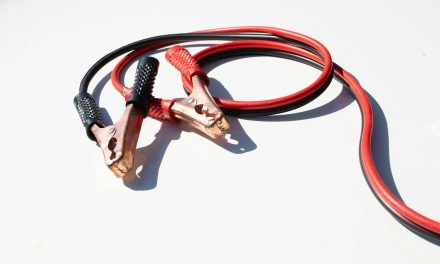
Before embarking on the task of charging a dead car battery, it is imperative to gather all necessary tools and equipment. Essential items include a quality battery charger, safety goggles, gloves, and a multimeter for testing voltage levels. A set of jumper cables may also be beneficial if you plan to jump-start the battery using another vehicle.
In addition to these tools, having a clean cloth or paper towels on hand can assist in wiping away any spills or debris around the battery terminals. It is advisable to have a fire extinguisher nearby as a precautionary measure against potential fires caused by flammable gases. Ensuring that all equipment is in good working condition will facilitate a smoother and safer charging process.
Preparing Your Vehicle and Work Area for Safety

Creating a safe work environment is paramount when charging a dead car battery. Begin by parking the vehicle in a well-ventilated area, away from any open flames or sparks. This precaution helps dissipate any gases emitted during the charging process. Ensure that the vehicle is turned off, and all electrical components are disabled to prevent accidental activation.
Next, clear the surrounding area of any clutter or flammable materials. Wearing appropriate personal protective equipment (PPE), such as gloves and safety goggles, will protect against potential acid splashes or electrical hazards. It is also advisable to inform others nearby about your activity to prevent any unexpected interruptions that could lead to accidents.
Inspecting the Battery for Damage or Leaks

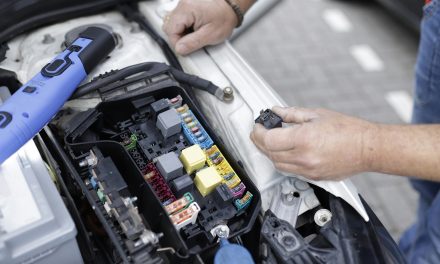
Before connecting the charger, it is crucial to inspect the battery for any signs of damage or leaks. Look for cracks in the casing, corrosion around the terminals, or any visible leakage of electrolyte fluid. If any damage is detected, it may indicate that the battery is no longer safe to charge and should be replaced instead.
Corrosion can often be identified by a white, powdery substance around the terminals. This buildup can impede electrical connections and should be cleaned carefully using a mixture of baking soda and water. If leaks are present, it is essential to handle the situation with caution, as battery acid can cause severe burns and damage surfaces. In such cases, proper disposal of the battery may be necessary.
If you find yourself in a situation where your car battery is completely dead, knowing how to charge it effectively can save you time and hassle. A helpful resource on this topic can be found in an article that provides detailed steps and tips for reviving a dead battery. For more information, you can check out this related article that discusses various methods to ensure your vehicle is back on the road in no time.
Connecting the Charger Correctly to the Battery Terminals
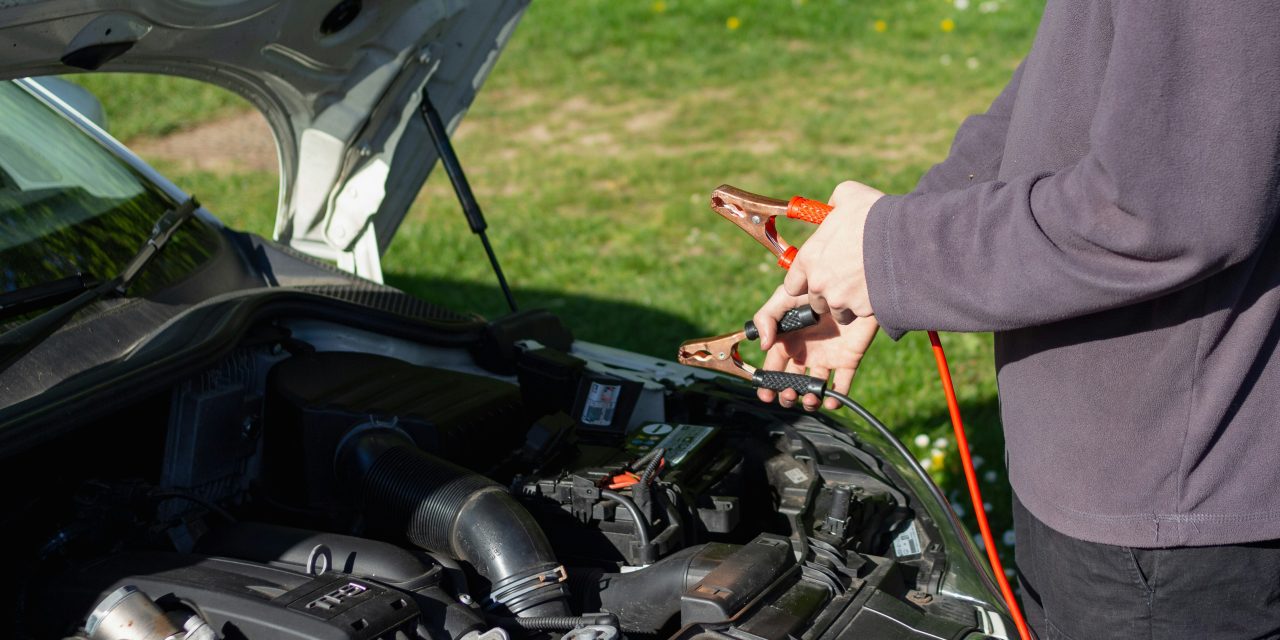
Once the battery has been inspected and deemed safe for charging, the next step involves connecting the charger correctly to the battery terminals. Begin by identifying the positive (+) and negative (-) terminals on the battery. It is crucial to connect the charger’s positive lead (usually red) to the positive terminal first, followed by connecting the negative lead (usually black) to the negative terminal.
If using a portable charger, ensure that it is turned off during this process to prevent any sparks from occurring during connection. Following this sequence minimizes risks associated with short circuits or electrical shocks. Once securely connected, double-check that all connections are tight and free from corrosion before proceeding.
If you’re looking for effective methods to revive a completely dead car battery, you might find it helpful to explore related topics that cover general maintenance tips. For instance, you can read about how to reset your home after the holidays for a fresh start, which can provide insights into organizing and refreshing your environment, much like how you would refresh your car’s battery. Check out the article here for some great ideas that can help you in both areas.
Setting the Charger to the Appropriate Voltage and Amperage
Setting the charger to the correct voltage and amperage is vital for effective charging without damaging the battery. Most automotive batteries operate at 12 volts; therefore, ensure that your charger is set accordingly. Many modern chargers come equipped with automatic settings that detect battery type and adjust accordingly.
Amperage settings can vary based on how quickly you wish to charge the battery. A lower amperage setting (around 2-10 amps) is ideal for maintaining battery health over an extended period, while higher settings (up to 50 amps) can provide a quicker charge but may risk overheating if not monitored closely. Always refer to your battery’s specifications for optimal settings.
Monitoring the Charging Process to Prevent Overcharging
Once charging begins, continuous monitoring of the process is essential to prevent overcharging, which can lead to battery damage or failure. Many modern chargers feature automatic shut-off mechanisms that disengage power once charging is complete; however, it is prudent to check periodically.
During this time, observe for any unusual signs such as excessive heat or swelling of the battery casing. If either occurs, disconnect the charger immediately and allow the battery to cool down before further inspection. Keeping an eye on voltage levels using a multimeter can also provide insight into whether charging is proceeding as expected.
Safely Disconnecting the Charger After Charging
After confirming that charging has completed successfully, it is crucial to disconnect the charger safely to avoid any electrical hazards. Begin by turning off the charger before removing any leads from the battery terminals. Always remove the negative lead first followed by the positive lead; this sequence helps prevent accidental short circuits.
Once disconnected, inspect both the charger and battery terminals for any signs of damage or corrosion that may have developed during charging. Cleaning terminals with a wire brush can help maintain optimal conductivity for future use.
Testing the Battery and Vehicle Electrical System
After charging, testing both the battery and vehicle electrical system ensures everything is functioning correctly. Use a multimeter to measure voltage levels; a fully charged 12-volt battery should read between 12.6 and 12.8 volts. If readings are significantly lower, further investigation may be necessary.
Additionally, start your vehicle and observe how it operates. Listen for any unusual sounds or warning lights on the dashboard that may indicate underlying issues within the electrical system. If problems persist after charging, it may be indicative of deeper issues such as alternator failure or wiring problems.
Tips for Maintaining Your Battery’s Health
To prolong your car battery’s lifespan and maintain its health, several proactive measures can be implemented. Regularly inspect terminals for corrosion and clean them as needed using a mixture of baking soda and water. Additionally, ensure that your battery is securely mounted in its tray to prevent vibrations that can cause internal damage.
Consider investing in a smart charger that can maintain optimal charge levels during periods of inactivity. Extreme temperatures can also affect battery performance; therefore, parking in shaded areas during hot weather or using thermal insulation in cold climates can help mitigate these effects.
When to Seek Professional Help for Battery Issues
While many battery-related tasks can be performed independently, certain situations warrant professional assistance. If you encounter persistent issues such as repeated dead batteries or difficulty starting your vehicle despite charging efforts, it may indicate underlying problems requiring expert diagnosis.
Additionally, if you notice significant physical damage or leaks from your battery, seeking professional help is crucial for safe disposal and replacement options. Automotive technicians possess specialized knowledge and tools necessary for thorough assessments and repairs that go beyond basic maintenance.
In summary, understanding how to safely charge a dead car battery involves recognizing risks, gathering appropriate tools, preparing your workspace, inspecting for damage, connecting leads correctly, monitoring charging processes, and testing afterward. Regular maintenance practices can enhance battery longevity while knowing when to seek professional assistance ensures safety and reliability in vehicle operation.
FAQs
What are the signs that a car battery is completely dead?
Common signs of a completely dead car battery include the inability to start the engine, dim or flickering headlights, and no dashboard lights illuminating when the ignition is turned on. Additionally, you may hear a clicking sound when trying to start the car.
Can I charge a completely dead car battery with a regular charger?
Yes, you can charge a completely dead car battery with a regular battery charger. However, it is important to ensure that the charger is compatible with the battery type and that it has a setting for charging deeply discharged batteries to avoid damage.
How long does it take to charge a completely dead car battery?
The time it takes to charge a completely dead car battery can vary depending on the charger and the battery’s capacity. Typically, it can take anywhere from 4 to 12 hours to fully charge a dead battery using a standard charger. Fast chargers may reduce this time significantly.
Is it safe to jump-start a completely dead car battery?
Yes, it is generally safe to jump-start a completely dead car battery, provided you follow the correct procedure. Ensure that both vehicles are turned off before connecting the jumper cables, and connect them in the correct order to avoid electrical issues.
What should I do if my car battery won’t hold a charge after charging?
If your car battery won’t hold a charge after attempting to charge it, it may be time to replace the battery. Other potential issues could include a faulty alternator or electrical system problems. It’s advisable to have the battery and charging system tested by a professional.