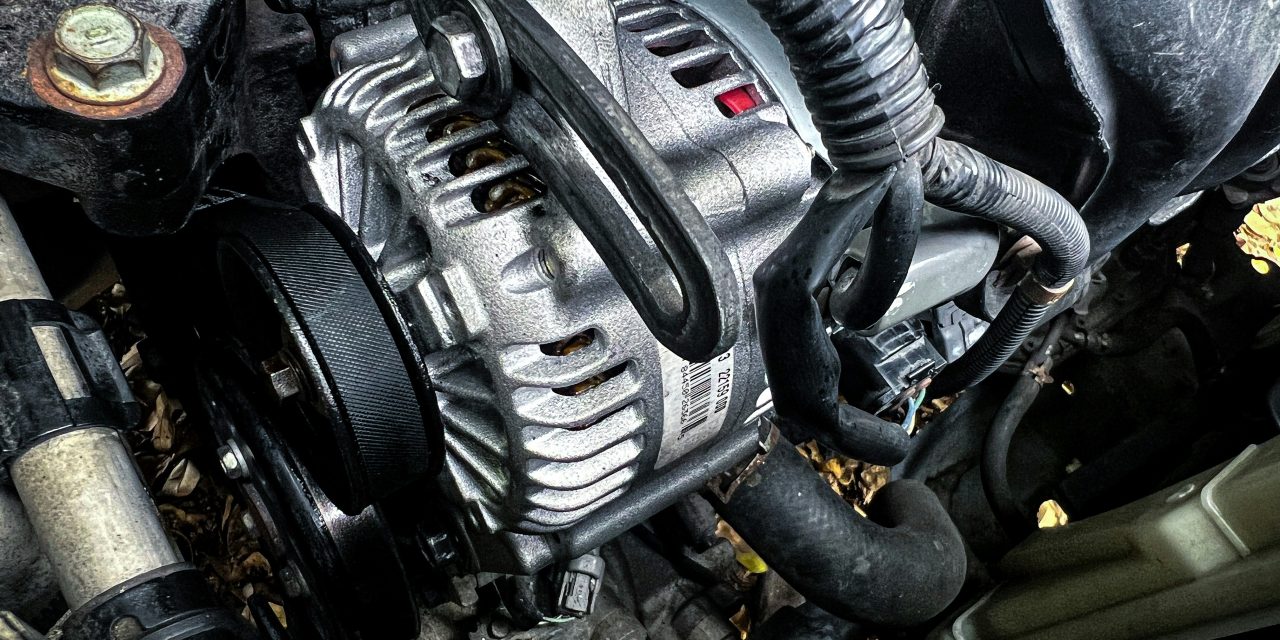
The alternator is a crucial component of a vehicle’s electrical system, responsible for converting mechanical energy into electrical energy. This transformation occurs through electromagnetic induction, where the alternator generates alternating current (AC) that is then converted to direct current (DC) to charge the battery and power the vehicle’s electrical systems. The alternator works in tandem with the battery, ensuring that all electrical components, such as headlights, infotainment systems, and power windows, function optimally.
In modern vehicles, the alternator is typically driven by a serpentine belt connected to the engine. As the engine runs, it spins the alternator’s rotor, creating a magnetic field that induces an electric current. This process is vital for maintaining the battery’s charge and supplying power to various electrical components while the engine is running. A malfunctioning alternator can lead to a cascade of electrical issues, making it imperative for vehicle owners to understand its role and monitor its performance.
When considering the longevity of an alternator in a car, it’s essential to understand the various factors that can influence its lifespan, such as driving conditions and maintenance practices. For a deeper dive into related topics, you might find it interesting to explore how environmental factors can affect different systems in your home, as discussed in this article on why one room may be hotter or colder than the rest of the house. You can read more about it here: Why Is One Room Hotter or Colder Than the Rest of the House?.
How Long Does a Typical Alternator Last?
The lifespan of an alternator can vary significantly based on several factors, including driving conditions, maintenance practices, and the quality of the alternator itself. On average, a well-maintained alternator can last between 80,000 to 150,000 miles. However, certain conditions can accelerate wear and tear. For instance, frequent short trips may not allow the alternator to fully recharge the battery, leading to premature failure.
Environmental factors also play a significant role in an alternator’s longevity. Extreme temperatures, both hot and cold, can affect its performance. Additionally, exposure to moisture and road salt can lead to corrosion and electrical failures. Regular inspections and maintenance can help extend the life of an alternator. Keeping an eye on the serpentine belt’s condition and ensuring that all connections are secure can prevent unexpected breakdowns.
Sign 1: Dim or Flickering Headlights

One of the most noticeable signs of an impending alternator failure is dim or flickering headlights. When the alternator begins to malfunction, it may not provide sufficient voltage to power the headlights consistently. This inconsistency can manifest as dimming when idling or flickering while driving at higher speeds.
Drivers should be particularly vigilant if they notice that their headlights brighten when accelerating and dim when decelerating. This fluctuation indicates that the alternator is struggling to maintain a steady output of electricity. If left unaddressed, this issue can lead to complete electrical failure, leaving drivers in potentially dangerous situations during nighttime driving.
Sign 2: Electrical Failures and Malfunctions

Another critical indicator of alternator issues is the occurrence of electrical failures throughout the vehicle. This may include problems with power windows, door locks, or infotainment systems that fail to operate correctly. When the alternator cannot generate adequate power, these systems may exhibit erratic behavior or cease functioning altogether.
In some cases, drivers may experience intermittent electrical malfunctions that seem random but are actually linked to fluctuating voltage levels from a failing alternator. For example, dashboard lights may flicker or fail to illuminate entirely. Such symptoms should not be ignored, as they often signal deeper issues within the vehicle’s electrical system that could lead to more severe problems if not addressed promptly.
When considering the longevity of an alternator in a car, it’s important to understand the various factors that can influence its lifespan, such as driving conditions and maintenance practices. For a deeper insight into related automotive topics, you might find it interesting to explore this article on the benefits of choosing a professional dog daycare for your pet, which, while seemingly unrelated, emphasizes the importance of proper care and maintenance in different aspects of life. You can read more about it here.
Sign 3: Warning Lights on the Dashboard
Modern vehicles are equipped with sophisticated onboard diagnostic systems that monitor various components, including the alternator. When these systems detect irregularities in voltage output or charging efficiency, they trigger warning lights on the dashboard. The battery warning light is particularly indicative of potential alternator failure.
If this warning light illuminates while driving, it is essential to take immediate action. Ignoring this signal can lead to further complications, such as a dead battery or complete electrical failure. Drivers should consult their vehicle’s manual for specific guidance on interpreting dashboard warning lights and seek professional assistance if necessary.
When considering the longevity of an alternator in a car, it’s essential to understand the factors that can influence its lifespan, such as driving conditions and maintenance practices. For a more in-depth look at this topic, you can check out a related article that discusses various aspects of car maintenance and how it impacts different components. If you’re interested in learning more about how long an alternator lasts, you can find useful insights in this article.
Sign 4: Strange Noises Coming from the Engine
Unusual sounds emanating from the engine compartment can also indicate problems with the alternator. A failing alternator may produce grinding or whining noises due to worn bearings or internal components that are no longer functioning correctly. These sounds often become more pronounced when the engine is under load or when electrical accessories are activated.
It is crucial for drivers to pay attention to these auditory cues and address them promptly. Ignoring strange noises can lead to more extensive damage not only to the alternator but also to other engine components. Regular maintenance checks can help identify these issues early on and prevent costly repairs down the line.
Sign 5: Car Stalling or Difficulty Starting
A failing alternator can lead to difficulty starting the vehicle or even cause it to stall while driving. When the alternator cannot generate sufficient power to recharge the battery, it may result in inadequate voltage for starting the engine. Drivers may notice that their vehicle struggles to turn over or requires multiple attempts before starting successfully.
Stalling can occur when the vehicle is running if the alternator fails to provide enough power for essential systems. This situation can be particularly dangerous if it happens while driving at high speeds or in heavy traffic. If drivers experience frequent stalling or starting issues, they should have their alternator inspected immediately.
Sign 6: Dead Battery or Frequent Jump Starts
One of the most common consequences of a failing alternator is a dead battery. If the alternator is unable to recharge the battery while driving, it will eventually lose its charge entirely. Drivers may find themselves needing frequent jump starts or replacing their batteries more often than usual.
A dead battery can be a frustrating experience, especially if it occurs unexpectedly. To avoid this inconvenience, it is essential to monitor battery health regularly and address any signs of alternator failure promptly. Investing in a quality multimeter can help drivers check their battery voltage and determine whether it is receiving adequate charge from the alternator.
Sign 7: Burning Smell Near the Alternator
A burning smell near the alternator can indicate overheating or electrical shorts within the unit itself. This odor may arise from worn-out insulation on wires or components that are overheating due to excessive friction or electrical resistance. If drivers detect this smell, it is crucial to stop driving immediately and investigate further.
Ignoring a burning smell can lead to severe damage not only to the alternator but also to surrounding components and wiring harnesses. In some cases, this situation could even pose a fire hazard. Therefore, addressing any unusual odors promptly is essential for maintaining vehicle safety.
Sign 8: Accessories Malfunctioning or Running Slowly
When an alternator begins to fail, drivers may notice that various accessories within their vehicle are malfunctioning or operating at reduced efficiency. This could include slow-moving power windows, dimming interior lights, or malfunctioning air conditioning systems. These symptoms often arise from insufficient voltage being supplied by a failing alternator.
If multiple accessories exhibit similar issues simultaneously, it is likely that the root cause lies within the electrical system rather than isolated component failures. Drivers should take note of these symptoms and seek professional assistance for diagnosis and repair before further complications arise.
Sign 9: Frequent Engine Stalling
Frequent engine stalling can be a significant indicator of an impending alternator failure. As previously mentioned, if the alternator cannot maintain adequate voltage levels for essential systems, it may cause the engine to stall unexpectedly while driving. This situation poses serious safety risks and should not be taken lightly.
Drivers experiencing frequent stalling should have their vehicle inspected by a qualified technician who can assess both the alternator and other related components within the electrical system. Early intervention can prevent more severe issues from developing and ensure safe operation of the vehicle.
Sign 10: Visual Wear and Tear on the Alternator
Visual inspection of the alternator can reveal signs of wear and tear that may indicate impending failure. Drivers should look for frayed wires, corrosion on terminals, or physical damage to the unit itself. Any visible signs of deterioration should prompt immediate attention from a qualified mechanic.
Regular maintenance checks can help identify these issues early on and prevent unexpected breakdowns on the road. Keeping an eye on the condition of your vehicle’s components is essential for ensuring long-term reliability and safety.
What to Do When You Suspect Alternator Failure
If you suspect that your vehicle’s alternator may be failing, it is crucial to take immediate action to prevent further complications. Begin by conducting a visual inspection of the unit and surrounding components for any obvious signs of damage or wear. If you notice any irregularities, consult your vehicle’s manual for guidance on troubleshooting steps.
Next, consider testing your battery voltage using a multimeter to determine whether it is receiving adequate charge from the alternator while running. If you are uncomfortable performing these checks yourself, seek assistance from a qualified mechanic who can conduct a thorough diagnostic assessment.
In cases where an alternator replacement is necessary, ensure that you choose a high-quality replacement part that meets your vehicle’s specifications. Regular maintenance checks and timely interventions can help extend your vehicle’s lifespan and ensure optimal performance.
In summary, understanding your car’s alternator is vital for maintaining its overall health and performance. Recognizing signs of potential failure—such as dim headlights, electrical malfunctions, warning lights on the dashboard, strange noises from the engine, difficulty starting or stalling—can help you address issues before they escalate into more significant problems. Regular inspections and prompt action when symptoms arise will ensure your vehicle remains reliable on the road for years to come.
FAQs
How long does an alternator typically last in a car?
An alternator typically lasts between 80,000 to 150,000 miles, depending on various factors such as driving conditions, maintenance, and the quality of the alternator itself.
What factors can affect the lifespan of an alternator?
Several factors can affect the lifespan of an alternator, including driving habits, environmental conditions, electrical load on the vehicle, and the quality of the alternator. Frequent short trips, extreme temperatures, and heavy use of electrical accessories can also contribute to wear and tear.
How can I tell if my alternator is failing?
Signs of a failing alternator include dimming or flickering headlights, warning lights on the dashboard, unusual noises (like grinding or whining), and difficulty starting the vehicle. If you notice these symptoms, it’s advisable to have your alternator checked by a professional.
Can a bad alternator affect my car’s battery?
Yes, a bad alternator can negatively affect your car’s battery. If the alternator is not charging the battery properly, it can lead to battery drain and ultimately cause the battery to fail. This can result in starting issues and other electrical problems in the vehicle.
Is it necessary to replace the alternator if it fails?
Yes, if an alternator fails, it typically needs to be replaced to restore the vehicle’s electrical system functionality. Continuing to drive with a faulty alternator can lead to further damage to the battery and other electrical components.