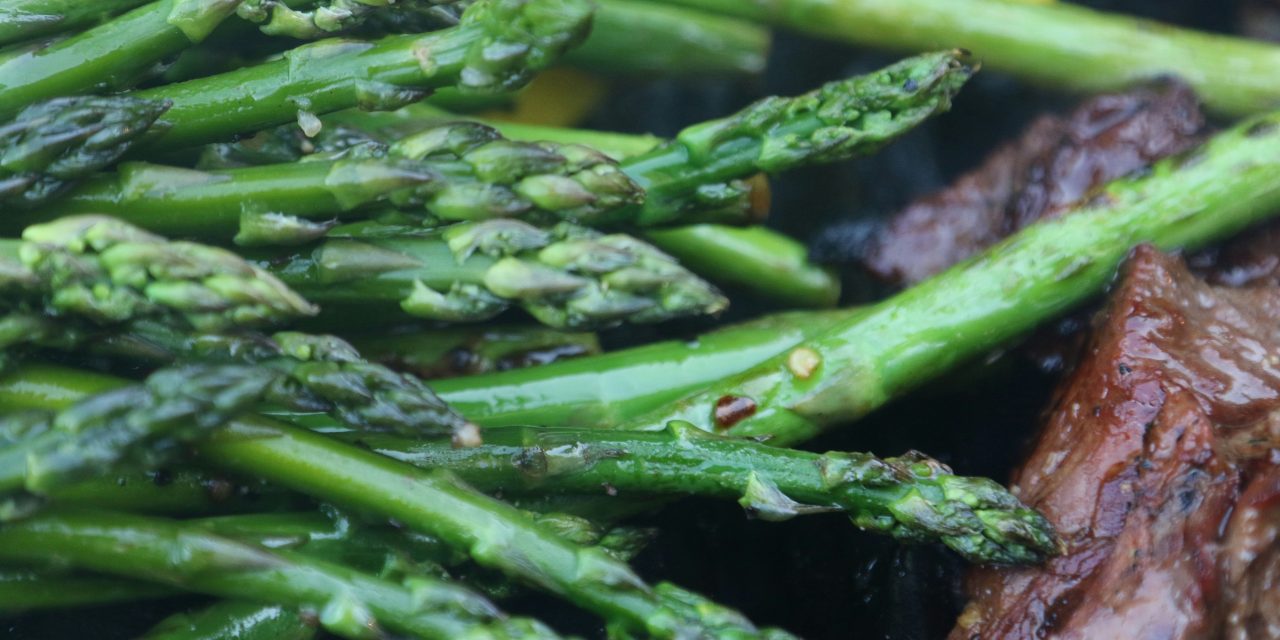
To achieve the perfect roasted asparagus, the initial step involves meticulous preparation of the vegetable. Begin by selecting fresh asparagus spears, ideally those that are firm and vibrant green, with tightly closed tips. The thickness of the spears can vary, but generally, medium-sized stalks yield the best results when roasted. Once you have your asparagus, rinse them thoroughly under cold water to remove any dirt or debris. After washing, pat them dry with a clean kitchen towel to ensure they roast evenly without steaming.
Next, it is essential to trim the woody ends of the asparagus. This part of the stalk can be tough and fibrous, making it unpalatable. A simple method to determine where to cut is to bend each spear gently; it will naturally snap at its breaking point, indicating where the tender part begins. Alternatively, you can cut off about an inch from the bottom of each spear. Once trimmed, your asparagus is ready for seasoning and roasting, setting the stage for a delightful culinary experience.
If you’re looking to enhance your culinary skills, mastering the art of roasting vegetables can be a game changer, and asparagus is no exception. For a delightful pairing with your perfectly roasted asparagus, consider exploring the benefits of nurturing your own indoor garden. Check out this informative article on the best potting soils for thriving indoor houseplants, which can help you grow fresh herbs and vegetables right at home. You can read more about it here: Top 7 Best Potting Soils for Thriving Indoor Houseplants.
Choosing the Right Oven Temperature
The temperature at which you roast asparagus plays a crucial role in achieving that coveted balance of tenderness and crispiness. A common recommendation is to preheat your oven to 425°F (220°C). This high temperature allows for caramelization, enhancing the natural sweetness of the asparagus while ensuring that the exterior becomes beautifully browned and slightly crispy.
If you prefer a softer texture, you might opt for a lower temperature, such as 400°F (200°C). However, be mindful that roasting at lower temperatures may require a longer cooking time, which could lead to a less pronounced flavor profile. Experimenting with different temperatures can yield varying results, so consider your personal preference and desired outcome when deciding on the ideal roasting temperature.
Classic Olive Oil and Sea Salt Method

One of the simplest yet most effective methods for roasting asparagus involves using high-quality olive oil and sea salt. Begin by drizzling a generous amount of extra virgin olive oil over the prepared asparagus. The oil not only adds flavor but also helps in achieving that golden-brown exterior during roasting. Toss the spears gently to ensure they are evenly coated with oil.
Next, sprinkle a moderate amount of coarse sea salt over the asparagus. The salt enhances the natural flavors of the vegetable while also contributing to the overall texture. For optimal results, consider using flaky sea salt, which provides a delightful crunch and bursts of flavor with each bite. Once seasoned, spread the asparagus in a single layer on a baking sheet lined with parchment paper to prevent sticking and facilitate even cooking.
Adding Garlic for Extra Flavor

Garlic is a versatile ingredient that can elevate the flavor profile of roasted asparagus significantly. To incorporate garlic into your dish, consider using fresh cloves for an intense flavor or garlic powder for a more subtle touch. If using fresh garlic, mince or thinly slice several cloves and toss them with the asparagus along with the olive oil and sea salt.
When roasting garlic with asparagus, it’s essential to keep an eye on it as it can burn quickly at high temperatures. To prevent this, you may choose to add the garlic halfway through the roasting process. This timing allows the garlic to infuse its aromatic qualities into the asparagus without becoming overly bitter. The result is a dish that boasts a rich depth of flavor, making it an irresistible side option.
Roasting asparagus in the oven is a simple and delicious way to prepare this nutritious vegetable, enhancing its natural flavors while achieving a delightful crispness. If you’re looking for more kitchen tips, you might find it helpful to read about how to tackle those pesky chocolate stains that can occur during cooking or baking. For more information, check out this article on removing chocolate stains. With the right techniques, you can enjoy your roasted asparagus without worrying about any mess in the kitchen.
Using Lemon Zest and Juice for Brightness
Incorporating lemon zest and juice into your roasted asparagus not only adds brightness but also enhances its overall flavor profile. The acidity from lemon juice balances the richness of olive oil and complements the earthiness of asparagus beautifully. To begin, zest one lemon using a microplane or fine grater, being careful to avoid the bitter white pith beneath the skin.
After zesting, squeeze fresh lemon juice over the asparagus before roasting. This infusion of citrus will create a refreshing contrast to the savory elements in your dish. For an added layer of flavor, consider garnishing with additional lemon zest just before serving. This technique not only enhances taste but also adds visual appeal to your roasted asparagus.
Incorporating Parmesan Cheese Topping
For those who appreciate a cheesy twist on their roasted vegetables, adding Parmesan cheese is an excellent option. Grated or shaved Parmesan can be sprinkled over the asparagus during the last few minutes of roasting to allow it to melt slightly and form a delicious crust. The nutty flavor of Parmesan complements the natural sweetness of asparagus perfectly.
To achieve an even distribution of cheese, toss the asparagus with olive oil and seasonings before adding Parmesan. This ensures that every spear is coated in flavor before roasting begins. If you prefer a more pronounced cheesy flavor, consider using Pecorino Romano as an alternative; its sharper taste can provide an exciting contrast to the mildness of asparagus.
Roasting with Balsamic Vinegar Glaze
Balsamic vinegar glaze is another fantastic way to enhance roasted asparagus with a sweet and tangy flavor profile. To create this glaze, reduce balsamic vinegar in a saucepan over medium heat until it thickens into a syrupy consistency. This process intensifies its sweetness and adds complexity to your dish.
Drizzle the balsamic glaze over the asparagus during the last few minutes of roasting or serve it as a finishing touch once plated. The combination of roasted asparagus with balsamic glaze creates an exquisite balance between savory and sweet flavors that will tantalize your taste buds.
Spicing It Up with Red Pepper Flakes
For those who enjoy a bit of heat in their dishes, incorporating red pepper flakes into your roasted asparagus is an excellent choice. The addition of these flakes introduces a subtle spiciness that contrasts beautifully with the natural flavors of the vegetable. Simply sprinkle a pinch or two over your seasoned asparagus before roasting.
Adjusting the amount of red pepper flakes allows you to control the level of heat according to your preference. For those who prefer milder flavors, start with a small quantity and gradually increase it until you reach your desired spice level. This method ensures that everyone at your table can enjoy this delightful side dish without overwhelming their palate.
Combining Herbs Like Thyme and Rosemary
Herbs are an essential component in elevating roasted asparagus from simple to extraordinary. Thyme and rosemary are particularly well-suited for this vegetable due to their aromatic qualities and ability to complement its flavor profile seamlessly. Fresh herbs are preferable; however, dried herbs can also be used if fresh ones are unavailable.
To incorporate herbs into your dish, finely chop fresh thyme or rosemary and toss them with olive oil and asparagus before roasting. The heat from the oven will release their essential oils, infusing your dish with fragrant notes that enhance each bite. Experimenting with different herb combinations can lead to exciting new flavor profiles that keep your roasted asparagus interesting.
Tips for Achieving Crispy, Tender Asparagus
Achieving that perfect balance between crispy exteriors and tender interiors requires attention to detail during preparation and cooking. One key tip is to ensure that your asparagus is not overcrowded on the baking sheet; this allows hot air to circulate around each spear evenly during roasting.
Another important factor is cooking time; typically, asparagus takes about 12-15 minutes at 425°F (220°C) depending on thickness. Keep an eye on them towards the end of cooking; they should be bright green and tender when pierced with a fork but still retain some firmness. For added crispiness, consider broiling them for an additional minute or two after roasting.
Serving Suggestions for Roasted Asparagus
Roasted asparagus makes for an elegant side dish that pairs well with various main courses. It complements grilled meats such as chicken or steak beautifully while also serving as an excellent accompaniment to fish dishes like salmon or halibut. For vegetarian options, consider serving it alongside quinoa or risotto for a wholesome meal.
Additionally, roasted asparagus can be incorporated into salads or grain bowls for added texture and flavor. Drizzling with additional balsamic glaze or lemon juice just before serving can enhance its appeal further. Whether served warm or at room temperature, this versatile vegetable is sure to impress at any gathering.
In summary, mastering roasted asparagus involves careful preparation, selecting appropriate temperatures, and experimenting with various flavors and toppings. From classic olive oil and sea salt methods to incorporating garlic, lemon zest, Parmesan cheese, balsamic glaze, spices, and herbs—there are countless ways to elevate this simple vegetable into an extraordinary dish that delights both visually and gastronomically. With these techniques in hand, you can create perfectly roasted asparagus that will impress family and friends alike at any dining occasion.
FAQs
What temperature should I set my oven to for roasting asparagus?
For roasting asparagus, it is recommended to preheat your oven to 400°F (200°C). This temperature allows the asparagus to cook evenly while achieving a nice caramelization on the outside.
How long does it take to roast asparagus in the oven?
Asparagus typically takes about 12 to 15 minutes to roast in the oven, depending on the thickness of the spears. Thinner spears may cook faster, while thicker ones may require a few extra minutes.
Should I use oil when roasting asparagus?
Yes, using oil is recommended when roasting asparagus. A light coating of olive oil or another cooking oil helps to enhance the flavor and promotes even cooking while preventing the asparagus from drying out.
How can I tell when asparagus is done roasting?
Asparagus is done roasting when it is tender and slightly crispy on the edges. You can test for doneness by piercing a spear with a fork; it should be easily pierced but still have a slight firmness.
Can I season asparagus before roasting?
Absolutely! You can season asparagus before roasting with salt, pepper, garlic powder, lemon juice, or any herbs and spices you prefer. Seasoning enhances the flavor and makes the dish more enjoyable.