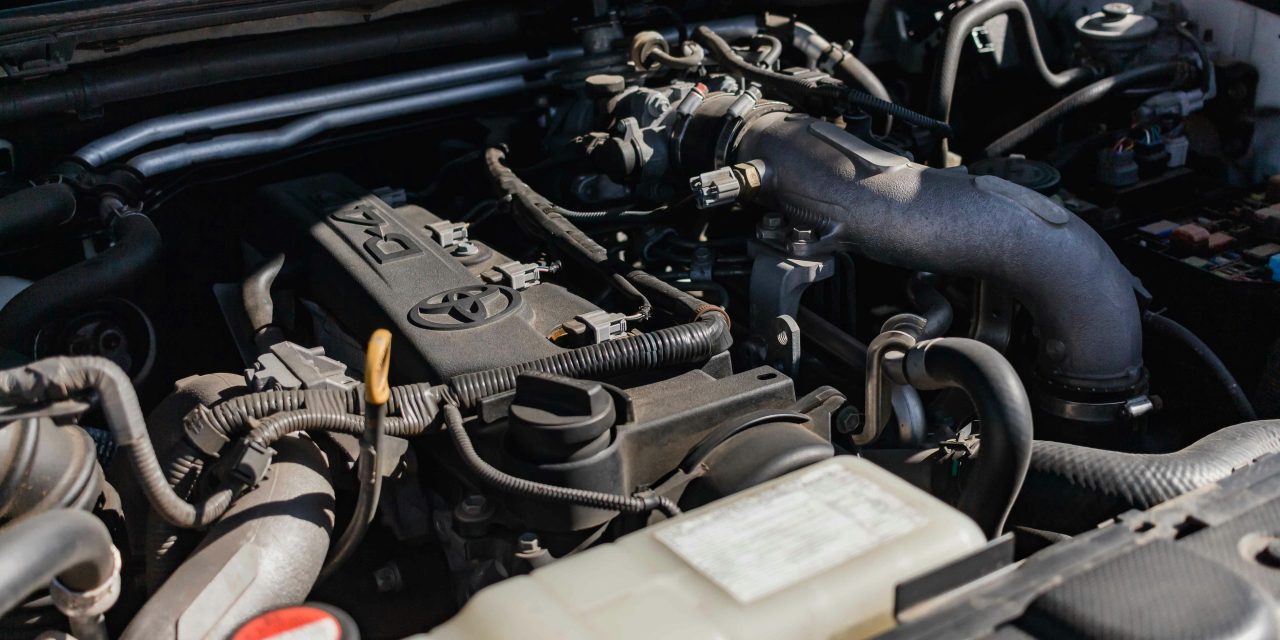
The water pump is a critical component of a vehicle’s cooling system, responsible for circulating coolant throughout the engine and radiator. This process ensures that the engine maintains an optimal operating temperature, preventing overheating and potential damage. The water pump operates by utilizing a mechanical impeller, which draws coolant from the radiator and pushes it through the engine block, absorbing heat generated during combustion. Once the coolant reaches a certain temperature, it flows back to the radiator, where it dissipates heat before returning to the engine.
In modern vehicles, the water pump is typically driven by a serpentine belt connected to the engine’s crankshaft. This design allows for efficient operation and minimizes energy loss. However, like any mechanical component, the water pump can wear out over time due to factors such as age, corrosion, or contamination from old coolant. Regular maintenance and timely inspections are essential to ensure that the water pump functions effectively, as its failure can lead to severe engine complications.
If you’re experiencing issues with your vehicle’s water pump, it’s crucial to recognize the signs of failure to prevent further damage to your engine. Common indicators include overheating, coolant leaks, and unusual noises coming from the engine bay. For more information on maintaining your car and addressing related issues, you might find this article helpful: How to Remove Mold and Mildew Stains from Bathroom Grout. While the article focuses on home maintenance, understanding the importance of upkeep can be applied to your vehicle as well.
Overheating Engine: A Primary Warning Sign
One of the most significant indicators of a failing water pump is an overheating engine. When the water pump malfunctions, it disrupts the flow of coolant, leading to an increase in engine temperature. An overheating engine can cause severe damage, including warped cylinder heads, blown head gaskets, and even complete engine failure. Drivers should be vigilant for warning signs such as the temperature gauge rising above normal levels or the illumination of the check engine light.
If you notice your engine overheating, it is crucial to take immediate action. Pull over safely and turn off the engine to prevent further damage. Allow the engine to cool down before inspecting coolant levels and checking for leaks. If you suspect a malfunctioning water pump, it is advisable to consult a qualified mechanic for a thorough diagnosis and repair.
Coolant Leaks Near the Front of the Vehicle

Coolant leaks are another telltale sign of a failing water pump. If you observe puddles of coolant forming beneath your vehicle, particularly near the front, it may indicate a leak originating from the water pump or associated hoses. Coolant is typically bright green, orange, or pink in color and has a sweet smell. Identifying these leaks early can prevent more extensive damage to your vehicle’s cooling system.
To address coolant leaks, inspect the water pump for visible signs of leakage, such as wet spots or drips. Additionally, check hoses and connections for cracks or deterioration. If you find any issues, replacing damaged components promptly is essential to maintain proper coolant circulation and prevent overheating.
Whining or Grinding Noise from the Engine Area

Unusual noises emanating from the engine compartment can signal problems with the water pump. A whining or grinding noise may indicate that the bearings within the pump are failing or that there is excessive wear on the impeller. These sounds often become more pronounced during acceleration or when the engine is under load.
If you hear these noises, it is crucial to have your vehicle inspected by a professional mechanic as soon as possible. Ignoring these warning signs can lead to complete water pump failure, resulting in costly repairs and potential engine damage. A mechanic will typically perform a thorough examination of the water pump and surrounding components to determine the source of the noise and recommend appropriate repairs.
If you’re concerned about your vehicle’s performance, it’s essential to recognize the signs of a failing water pump in your car. Common indicators include overheating, coolant leaks, and unusual noises coming from the engine. For more detailed information on this topic, you can check out this informative article that discusses the symptoms and potential fixes. Understanding these signs can help you address issues before they lead to more significant problems. For further reading, you can explore the article here: 10 Easy Steps to Replace Lawn with Beautiful Native Plants.
Steam Emitting from the Radiator or Hood
Steam escaping from under the hood or radiator is a serious warning sign that should not be ignored. This phenomenon often indicates that coolant is boiling due to excessive heat buildup within the engine. A malfunctioning water pump can contribute to this issue by failing to circulate coolant effectively, leading to localized overheating.
If you observe steam coming from your vehicle, it is essential to stop driving immediately and allow the engine to cool down. Continuing to operate an overheated engine can result in catastrophic damage. Once cooled, inspect for visible leaks or damage around the radiator and water pump area. If necessary, seek professional assistance to diagnose and resolve any underlying issues.
If you’re concerned about the performance of your vehicle, it’s essential to recognize the signs of a failing water pump, as it plays a crucial role in maintaining your engine’s temperature. Common symptoms include overheating, coolant leaks, and unusual noises coming from the engine bay. For more information on how to identify potential issues with your car, you might find this article on healthy cat poop helpful, as it emphasizes the importance of monitoring changes in your vehicle’s performance just like you would with your pet’s health.
Visible Corrosion or Rust on the Water Pump
Corrosion and rust on the water pump can significantly impact its performance and longevity. These issues often arise from prolonged exposure to moisture or contaminants within the coolant system. Corrosion can weaken the structural integrity of the pump, leading to leaks or complete failure over time.
Regular inspections of your vehicle’s cooling system can help identify corrosion early on. If you notice rust or corrosion on your water pump, it is advisable to replace it promptly to avoid further complications. Additionally, consider flushing your cooling system and replacing old coolant with fresh fluid to minimize corrosion risks in the future.
Loose or Wobbly Water Pump Pulley
A loose or wobbly water pump pulley can indicate that the water pump is failing or that its mounting hardware has become loose over time. This condition can lead to improper operation of the pump, resulting in inadequate coolant circulation and potential overheating issues.
To address this problem, visually inspect the water pump pulley for any signs of movement when the engine is running. If you notice excessive play or wobbling, it may be necessary to tighten or replace mounting bolts or even replace the entire water pump assembly if it has sustained damage.
Low Coolant Levels Without Apparent Leaks
Low coolant levels without visible leaks can be perplexing but may indicate an internal issue with the water pump or other components within the cooling system. A failing water pump may allow coolant to bypass internal seals or gaskets, leading to reduced levels without external signs of leakage.
To monitor coolant levels effectively, regularly check your vehicle’s reservoir and radiator when cold. If you consistently find low levels despite no visible leaks, it is essential to have your cooling system inspected by a qualified technician who can perform pressure tests and identify any hidden issues.
Engine Temperature Fluctuations During Driving
Fluctuations in engine temperature while driving can signal problems with your vehicle’s cooling system, particularly with the water pump’s functionality. An erratic temperature gauge may indicate that coolant is not circulating properly due to a malfunctioning pump.
If you experience temperature fluctuations during operation, it is crucial to have your vehicle examined promptly. A mechanic will typically check for blockages in hoses, verify proper operation of the thermostat, and assess the condition of the water pump itself.
Frequent Engine Overheating Despite Coolant Refill
If your engine frequently overheats despite regular coolant refills, this could indicate a serious issue with your water pump or other components within your cooling system. A malfunctioning water pump may fail to circulate coolant effectively, leading to persistent overheating problems.
In such cases, it is vital to consult with a professional mechanic who can conduct a comprehensive evaluation of your cooling system. They may recommend replacing the water pump along with other components such as hoses or thermostats that could be contributing to overheating issues.
Importance of Timely Water Pump Replacement to Avoid Engine Damage
Timely replacement of a failing water pump is crucial for preventing severe engine damage and costly repairs. Ignoring warning signs such as overheating engines, unusual noises, or visible leaks can lead to catastrophic failures that compromise engine integrity.
Regular maintenance checks and adhering to manufacturer-recommended service intervals can help ensure that your water pump remains in optimal condition. If you suspect any issues with your vehicle’s cooling system, seeking professional assistance promptly can save you from extensive repairs down the line.
In conclusion, understanding the role of your car’s water pump and recognizing warning signs of failure are essential for maintaining optimal vehicle performance. Regular inspections and timely replacements can prevent overheating issues and protect your engine from significant damage.
### FAQ Section
1. **How often should I replace my water pump?**
– Water pumps typically last between 60,000 to 100,000 miles but should be inspected regularly during routine maintenance.
2. **What are common symptoms of a failing water pump?**
– Symptoms include overheating engines, coolant leaks, unusual noises from the engine area, steam from under the hood, corrosion on the pump surface, and fluctuating engine temperatures.
3. **Can I drive my car with a bad water pump?**
– It is not advisable to drive with a malfunctioning water pump as it can lead to severe engine damage due to overheating.
4. **What type of coolant should I use?**
– Always refer to your vehicle’s owner manual for specific recommendations regarding coolant type and mixture ratios.
5. **How much does it cost to replace a water pump?**
– The cost varies depending on make and model but generally ranges from $300 to $800 including parts and labor.
6. **Can I replace my water pump myself?**
– While experienced DIYers may attempt this task, it requires mechanical knowledge and tools; consulting a professional mechanic is recommended for most drivers.
7. **What happens if I ignore a failing water pump?**
– Ignoring a failing water pump can lead to severe overheating issues resulting in extensive engine damage that may require costly repairs or even complete replacement.
8. **How can I prevent my water pump from failing?**
– Regular maintenance checks, timely coolant changes, and addressing any leaks promptly can help prolong your water pump’s lifespan.
In summary, understanding your vehicle’s cooling system components—especially the water pump—is vital for maintaining optimal performance and preventing costly repairs due to overheating issues. Regular inspections and timely replacements are key strategies for ensuring long-term reliability in your vehicle’s operation.
FAQs
What are the common signs of a failing water pump in a car?
Common signs of a failing water pump include overheating engine, coolant leaks, unusual noises (such as whining or grinding), steam coming from the radiator, and a fluctuating temperature gauge. If you notice any of these symptoms, it may indicate that the water pump is not functioning properly.
How can I tell if my water pump is leaking?
You can check for leaks by inspecting the area around the water pump for any signs of coolant pooling or dripping. Additionally, look for a white, chalky residue around the pump, which can indicate a slow leak. If you notice a low coolant level in the reservoir, it may also suggest a leak in the water pump.
What noise does a failing water pump make?
A failing water pump may produce a variety of noises, including a high-pitched whining or a grinding sound. These noises can occur due to worn bearings or a loose belt. If you hear any unusual sounds coming from the engine area, it’s important to have it checked by a mechanic.
Can a failing water pump cause engine overheating?
Yes, a failing water pump can lead to engine overheating. The water pump is responsible for circulating coolant throughout the engine to maintain optimal operating temperatures. If it fails, coolant flow is disrupted, which can cause the engine to overheat and potentially lead to severe damage.
How often should I replace my water pump?
Water pumps typically need to be replaced every 60,000 to 100,000 miles, depending on the vehicle and manufacturer recommendations. However, it’s important to monitor for signs of failure and consult your vehicle’s maintenance schedule to ensure timely replacement.