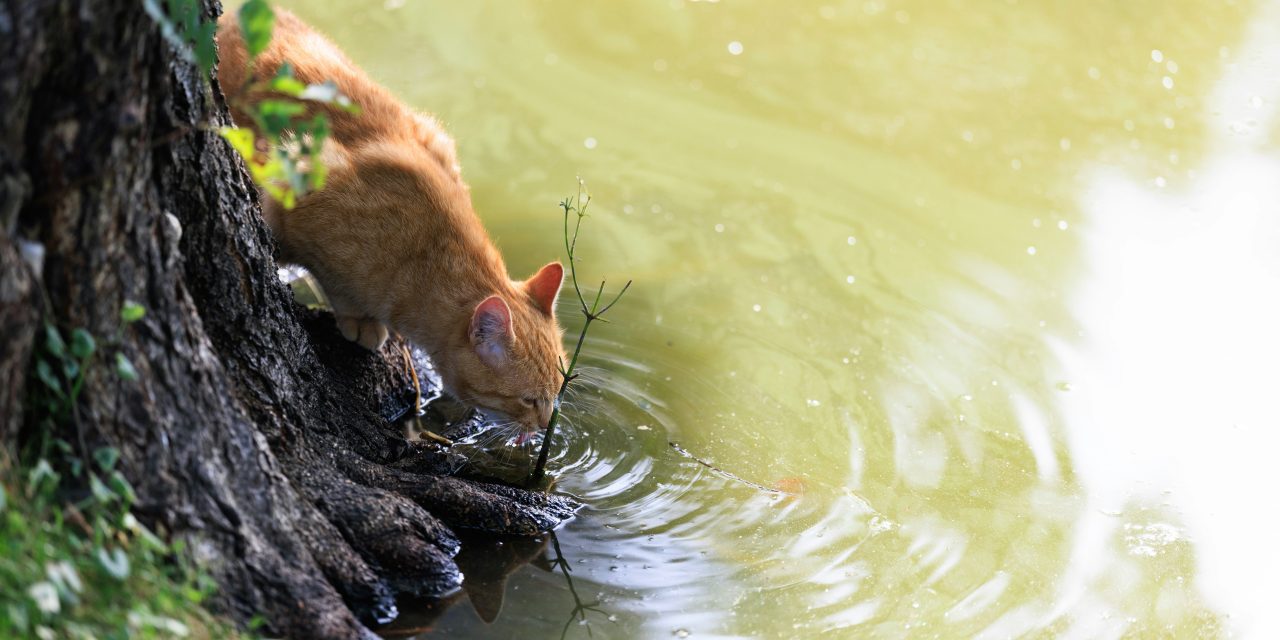
Hydration is a critical aspect of feline health that often goes overlooked by pet owners. Cats, being obligate carnivores, have evolved to derive moisture primarily from their prey. However, domesticated cats may not consume enough water, leading to potential health issues. Adequate hydration is essential for maintaining optimal kidney function, regulating body temperature, and facilitating digestion. Dehydration can lead to serious complications such as urinary tract infections, kidney disease, and even life-threatening conditions like hypercalcemia.
The physiological makeup of cats makes them particularly susceptible to dehydration. Their kidneys are highly efficient at conserving water, which means they may not drink as much as other animals. This adaptation can be a double-edged sword; while it allows them to thrive in arid environments, it also means that they may not instinctively seek out water sources when needed. Therefore, understanding the importance of hydration is paramount for cat owners who wish to ensure their pets lead healthy lives.
Provide Fresh Water Daily
One of the simplest yet most effective ways to promote hydration in cats is by providing fresh water daily. Stagnant water can harbor bacteria and lose its appeal to your feline friend. Cats are more likely to drink when they have access to clean, fresh water. It is advisable to change the water at least once a day, ensuring that it remains palatable and free from contaminants.
In addition to changing the water regularly, consider the type of bowl used for drinking. Stainless steel or ceramic bowls are preferable over plastic, as they are less likely to retain odors and are easier to clean. The size of the bowl should also be appropriate for your cat’s needs; a shallow bowl may be more comfortable for some cats, while others may prefer a deeper one. By prioritizing fresh water, you can significantly enhance your cat’s hydration levels.
Use Multiple Water Bowls Around the House

Cats are creatures of habit and often prefer to drink in specific locations. By placing multiple water bowls throughout your home, you increase the likelihood that your cat will find and utilize them. This strategy is particularly beneficial in multi-level homes or larger spaces where a single bowl may not be easily accessible.
When positioning these bowls, consider placing them away from food dishes and litter boxes. Cats have a natural instinct to avoid drinking near their food source due to evolutionary instincts that associate stagnant water with potential contamination. By strategically placing water bowls in various locations, you create an environment that encourages your cat to hydrate more frequently.
Incorporate Wet Food into Your Cat’s Diet

Incorporating wet food into your cat’s diet is another effective strategy for enhancing hydration. Canned cat food typically contains around 70-80% moisture content, significantly contributing to your cat’s overall fluid intake. This is particularly beneficial for cats that may be reluctant to drink water directly.
When selecting wet food, opt for high-quality brands that list meat as the primary ingredient and avoid those with excessive fillers or artificial additives. Transitioning your cat to a wet food diet can be done gradually by mixing it with their dry food or offering it as a standalone meal. Not only does this approach help with hydration, but it also provides essential nutrients that support overall health.
Try Cat Fountains to Encourage Drinking
Cat fountains have gained popularity among pet owners as an innovative solution to encourage drinking. These devices continuously circulate water, mimicking a natural stream and making it more appealing for cats to drink. The movement of water can stimulate a cat’s curiosity and encourage them to hydrate more frequently.
When selecting a cat fountain, consider factors such as size, material, and ease of cleaning. Many fountains are made from stainless steel or BPA-free plastic, which are safer options for your pet. Additionally, ensure that the fountain has a filtration system to keep the water clean and free from impurities. By introducing a cat fountain into your home, you can create an engaging hydration station that promotes regular drinking habits.
Add Water or Broth to Dry Food
Another effective method for increasing your cat’s fluid intake is by adding water or low-sodium broth to their dry food. This simple adjustment can enhance the moisture content of their meals while making them more palatable. Cats often enjoy the added flavor and texture that comes from moistening their kibble.
When adding liquid to dry food, start with small amounts and gradually increase as needed. Be cautious not to over-soak the kibble, as this can lead to spoilage if left uneaten for extended periods. Additionally, ensure that any broth used is free from onions or garlic, which can be toxic to cats. This approach not only aids in hydration but also adds variety to your cat’s diet.
Monitor Your Cat’s Drinking Habits Regularly
Regularly monitoring your cat’s drinking habits is crucial for identifying potential hydration issues early on. Keep an eye on how much water your cat consumes daily and note any significant changes in their drinking patterns. A sudden decrease in fluid intake could indicate underlying health problems such as kidney disease or diabetes.
Consider using a measuring cup or marked water bowl to track how much water your cat drinks each day. If you notice any concerning trends or if your cat appears lethargic or shows signs of dehydration, consult your veterinarian promptly for further evaluation and guidance.
Ensure Cleanliness of Water Bowls
Maintaining the cleanliness of your cat’s water bowls is essential for encouraging regular drinking habits. Dirty bowls can harbor bacteria and deter your cat from drinking altogether. It is advisable to wash the bowls with hot soapy water at least once a week and rinse thoroughly to remove any soap residue.
In addition to regular cleaning, inspect the bowls for scratches or wear that could harbor bacteria. Replace any damaged bowls promptly to ensure your cat has access to safe drinking vessels. By prioritizing cleanliness, you create an inviting environment that encourages hydration.
Offer Ice Cubes or Flavored Water as Treats
Offering ice cubes or flavored water can serve as an enticing treat that encourages hydration in cats. Many cats enjoy playing with ice cubes, which can stimulate their interest in drinking more fluids. You can freeze small amounts of low-sodium broth or tuna juice in ice cube trays and offer them as a refreshing snack on hot days.
Flavored water can also be an appealing alternative to plain water. Consider adding small amounts of low-sodium chicken or beef broth to your cat’s water bowl occasionally. This not only enhances flavor but also provides additional nutrients that support overall health.
Recognize Signs of Dehydration in Cats
Recognizing the signs of dehydration in cats is crucial for timely intervention and treatment. Common symptoms include dry gums, lethargy, decreased skin elasticity, and sunken eyes. If you suspect your cat may be dehydrated, perform a simple skin test by gently pinching the skin on the back of their neck; if it does not return quickly to its original position, this may indicate dehydration.
Other signs include reduced appetite and changes in litter box habits, such as less frequent urination or darker urine color. If you observe any of these symptoms, it is imperative to consult your veterinarian immediately for further evaluation and treatment options.
Consult Your Veterinarian for Hydration Concerns
If you have ongoing concerns about your cat’s hydration levels or notice any alarming symptoms, consulting your veterinarian is essential. They can perform a thorough examination and may recommend diagnostic tests such as blood work or urinalysis to assess kidney function and overall health.
Your veterinarian can also provide tailored recommendations based on your cat’s specific needs and lifestyle factors. In some cases, they may suggest subcutaneous fluid therapy or medications designed to promote hydration in cats with chronic conditions affecting fluid balance.
In summary, ensuring adequate hydration for your feline companion is vital for their overall health and well-being. By implementing strategies such as providing fresh water daily, using multiple bowls around the house, incorporating wet food into their diet, and monitoring their drinking habits regularly, you can significantly enhance their hydration levels. Recognizing signs of dehydration early on and consulting with a veterinarian when necessary will further safeguard your cat’s health against potential complications associated with inadequate fluid intake.
FAQs
What is Hydracare for Cats?
Hydracare for Cats is a specialized hydration solution designed to help maintain optimal hydration levels in cats. It is formulated to encourage cats to drink more water, which is essential for their overall health and well-being.
How does Hydracare work?
Hydracare works by enhancing the taste and appeal of water for cats, making it more enticing for them to drink. It often contains natural flavors and electrolytes that promote hydration and support kidney function.
Is Hydracare safe for all cats?
Yes, Hydracare is generally safe for most cats. However, it is always recommended to consult with a veterinarian before introducing any new product to your cat’s diet, especially if your cat has pre-existing health conditions.
How should Hydracare be administered to cats?
Hydracare can be mixed with your cat’s water or offered separately in a bowl. The recommended dosage may vary based on your cat’s size and hydration needs, so it’s important to follow the instructions on the packaging or your veterinarian’s advice.
Where can I purchase Hydracare for Cats?
Hydracare for Cats can be purchased at pet supply stores, veterinary clinics, and online retailers. It’s advisable to check for availability and compare prices to find the best option for your needs.