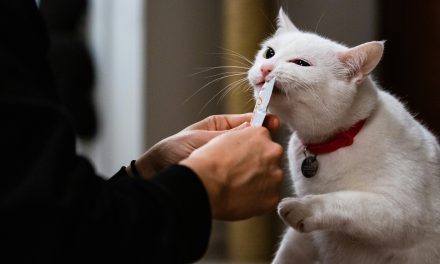
Feline body language is a complex and nuanced form of communication that allows cats to express their emotions, intentions, and needs. Unlike humans, who rely heavily on verbal communication, cats utilize a combination of physical cues, vocalizations, and behavioral patterns to convey their feelings. Understanding these signals is crucial for cat owners, as it fosters a deeper bond between human and feline companions.
Cats communicate through various body parts, including their ears, tails, and whiskers. For instance, the position of a cat’s ears can indicate its mood; forward-facing ears suggest curiosity or excitement, while flattened ears signal fear or aggression. Similarly, the tail’s position can reveal a cat’s emotional state—an upright tail indicates confidence and happiness, while a low or tucked tail may suggest submission or anxiety. By observing these subtle cues, owners can better interpret their cat’s feelings and respond appropriately.
Recognizing Contented Purring and Vocalizations
Purring is one of the most recognizable sounds associated with felines and is often interpreted as a sign of contentment. However, purring can also occur in various contexts, including when a cat is in pain or feeling anxious. Understanding the nuances of purring requires careful observation of the accompanying body language. A relaxed cat that purrs while being petted or cuddled is likely expressing happiness and comfort.
In addition to purring, cats utilize a range of vocalizations to communicate their needs and emotions. Meowing is primarily directed toward humans and can vary in tone and intensity to convey different messages. For example, a short, high-pitched meow may indicate excitement or a request for attention, while a low, drawn-out meow could signal annoyance or displeasure. By paying attention to these vocalizations in conjunction with body language, owners can gain insight into their cat’s emotional state.
Observing Relaxed Posture and Movements

A cat’s posture and movements are critical indicators of its emotional well-being. When a feline is relaxed, it often exhibits loose body language characterized by a low stance and gentle movements. Cats may stretch out on their sides or backs, exposing their bellies—a sign of trust and comfort in their environment. Conversely, a tense or rigid posture may indicate stress or discomfort.
Movement patterns also provide valuable information about a cat’s mood. A playful cat will exhibit energetic movements, such as pouncing or darting around the room, while a lethargic cat may move slowly or remain stationary for extended periods. Observing these behaviors can help owners identify when their cats are feeling playful or when they may need medical attention due to lethargy or inactivity.
Identifying Slow Blinking and Eye Expressions

Eye contact plays a significant role in feline communication. Cats often use slow blinking as a sign of trust and affection. When a cat gazes at its owner and slowly closes its eyes, it is essentially offering a “cat kiss.” This behavior indicates that the feline feels safe and comfortable in its presence. Owners can reciprocate this gesture by slowly blinking back at their cats to strengthen their bond.
Additionally, the position of a cat’s pupils can reveal its emotional state. Dilated pupils may indicate excitement or fear, while constricted pupils often suggest relaxation or focus. Observing these eye expressions can provide insight into how a cat is feeling in various situations, allowing owners to respond appropriately to their needs.
Noticing Tail Positions and Movements
The tail is one of the most expressive parts of a cat’s body and serves as an essential tool for communication. A cat’s tail position can convey a wide range of emotions. An upright tail signifies confidence and happiness, while a low-hanging tail may indicate submission or fear. A puffed-up tail suggests that the cat is frightened or agitated, while a slowly swaying tail can indicate curiosity or playfulness.
Tail movements also provide insight into a cat’s mood. Rapid flicking or twitching may signal irritation or excitement, while slow swaying can indicate that the cat is focused on something intriguing. By paying attention to tail positions and movements, owners can better understand their cats’ emotional states and respond accordingly.
Watching for Playful Behavior and Energy Levels
Play is an essential aspect of feline behavior that contributes to physical health and mental stimulation. Observing a cat’s playful behavior can provide insight into its energy levels and overall well-being. Cats engage in various play activities, such as chasing toys, pouncing on imaginary prey, or engaging in interactive play with their owners.
A playful cat typically exhibits high energy levels, displaying enthusiasm through rapid movements and vocalizations. Conversely, if a cat shows little interest in play or appears lethargic, it may be an indication of underlying health issues or stress. Regular playtime not only strengthens the bond between owner and pet but also helps maintain the cat’s physical fitness and mental sharpness.
Spotting Grooming Habits and Self-Care
Grooming is an essential behavior for cats that serves multiple purposes, including maintaining hygiene and regulating body temperature. Cats are known for their meticulous grooming habits; they spend significant portions of their day cleaning themselves. Observing grooming behaviors can provide insight into a cat’s health and emotional state.
Excessive grooming may indicate stress or anxiety, leading to skin irritations or bald patches. Conversely, a lack of grooming could signal health issues such as dental problems or obesity that hinder mobility. Owners should monitor their cats’ grooming habits closely to ensure they maintain proper hygiene and address any potential health concerns promptly.
Detecting Affectionate Interactions with Humans
Cats are often perceived as aloof creatures; however, they are capable of forming deep bonds with their human companions. Affectionate interactions can manifest in various ways, including head-butting, kneading, and curling up next to their owners. These behaviors signify trust and comfort within the relationship.
When a cat approaches its owner for affection or seeks physical closeness, it is an indication of emotional attachment. Engaging in gentle petting or interactive play can strengthen this bond further. Understanding these affectionate behaviors allows owners to nurture their relationship with their feline companions effectively.
Assessing Eating and Drinking Patterns
A cat’s eating and drinking habits are vital indicators of its overall health and well-being. Regular monitoring of food intake can help identify potential health issues early on. Changes in appetite—such as sudden increases or decreases—may signal underlying medical conditions that require veterinary attention.
Hydration is equally important for feline health; cats are prone to urinary tract issues if they do not consume enough water. Owners should ensure that fresh water is always available and consider incorporating wet food into their cats’ diets to promote hydration. By assessing eating and drinking patterns regularly, owners can take proactive measures to maintain their cats’ health.
Evaluating Sleeping Positions and Locations
Cats are known for their love of sleep; they typically spend 12-16 hours per day resting or napping. The positions in which cats sleep can reveal much about their comfort levels and emotional states. A relaxed cat may sleep on its side with limbs stretched out, indicating trust in its environment.
Conversely, if a cat sleeps curled up tightly or in hiding spots, it may be feeling insecure or stressed. Owners should provide safe spaces for their cats to retreat when needed while also ensuring that they have comfortable resting areas throughout the home. Monitoring sleeping patterns can help identify changes in behavior that may warrant further investigation.
Monitoring Stress Signals and How to Address Them
Stress in cats can manifest through various behavioral changes, including aggression, withdrawal, excessive grooming, or changes in eating habits. Identifying these stress signals early is crucial for addressing underlying issues effectively. Common stressors include changes in the environment, such as moving homes or introducing new pets.
To alleviate stress in cats, owners should create a stable environment by maintaining routines and providing safe spaces for retreat. Interactive playtime can also help reduce anxiety by allowing cats to expend excess energy positively. In some cases, consulting with a veterinarian about behavioral therapies or medications may be necessary to manage chronic stress effectively.
In summary, understanding feline body language is essential for fostering healthy relationships between cats and their owners. By recognizing signs of contentment through purring and vocalizations, observing relaxed postures and movements, identifying slow blinking eye expressions, noticing tail positions, watching playful behavior, spotting grooming habits, detecting affectionate interactions with humans, assessing eating patterns, evaluating sleeping positions, and monitoring stress signals—owners can ensure their feline companions lead happy and healthy lives.
FAQs
What are some common signs that indicate a cat is happy?
Common signs that indicate a cat is happy include purring, kneading, a relaxed body posture, slow blinking, and playful behavior. A happy cat may also exhibit a healthy appetite and engage in social interactions with their owners.
How can I tell if my cat is comfortable in their environment?
A comfortable cat will often find cozy spots to rest, stretch out fully, and may even sleep on their back with their belly exposed. They will also show curiosity about their surroundings and may engage in grooming behaviors, which indicate they feel safe.
Does a cat’s tail position indicate their mood?
Yes, a cat’s tail position can indicate their mood. A tail held high typically signifies happiness and confidence, while a low or tucked tail may indicate fear or discomfort. A puffed-up tail can indicate agitation or excitement, while a gently swaying tail may show curiosity or playfulness.
What role does vocalization play in a cat’s happiness?
Vocalization can play a significant role in a cat’s happiness. Cats may meow, chirp, or trill when they are content, especially when interacting with their owners. However, excessive vocalization can sometimes indicate stress or discomfort, so it’s essential to consider the context of their sounds.
How can I improve my cat’s happiness and comfort?
To improve your cat’s happiness and comfort, provide a stimulating environment with toys, scratching posts, and safe spaces for exploration. Regular playtime, a balanced diet, and routine veterinary check-ups are also crucial. Additionally, ensuring a quiet and safe resting area can help your cat feel more secure and content.