Cats are inherently sensitive creatures, and their emotional well-being can be easily disrupted by various factors. Stress in felines can stem from environmental changes, such as moving to a new home, the introduction of new pets, or alterations in their daily routine. Additionally, loud noises, such as thunderstorms or fireworks, can trigger anxiety in these animals. Understanding the root causes of stress is crucial for cat owners who wish to maintain a harmonious living environment for their pets.
Another significant contributor to feline stress is social dynamics. Cats are territorial animals, and the presence of unfamiliar animals or even humans can lead to feelings of insecurity. Changes in household dynamics, such as the arrival of a new baby or a family member moving out, can also create an atmosphere of uncertainty. Recognizing these stressors is the first step in mitigating their effects and ensuring your cat remains calm and content.
Recognizing Signs of Stress in Your Cat
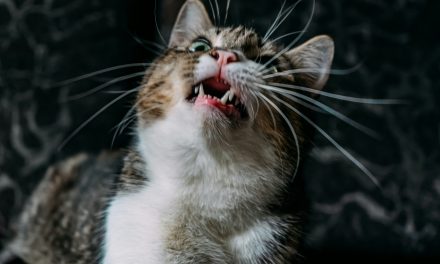
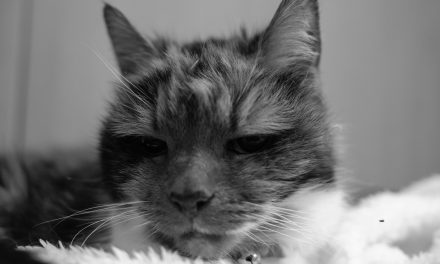
Identifying stress in cats can be challenging, as they often exhibit subtle behavioral changes. Common signs include increased vocalization, excessive grooming, or withdrawal from social interactions. A stressed cat may also display changes in appetite, either eating less or overeating as a coping mechanism. Observing these behaviors closely can provide valuable insights into your cat’s emotional state.
Physical manifestations of stress can also occur. For instance, a cat may develop gastrointestinal issues, such as diarrhea or vomiting, due to anxiety. Additionally, some cats may resort to destructive behaviors, such as scratching furniture or urinating outside the litter box. Being vigilant about these signs allows pet owners to address stressors promptly and implement effective solutions.
Creating a Safe and Quiet Environment

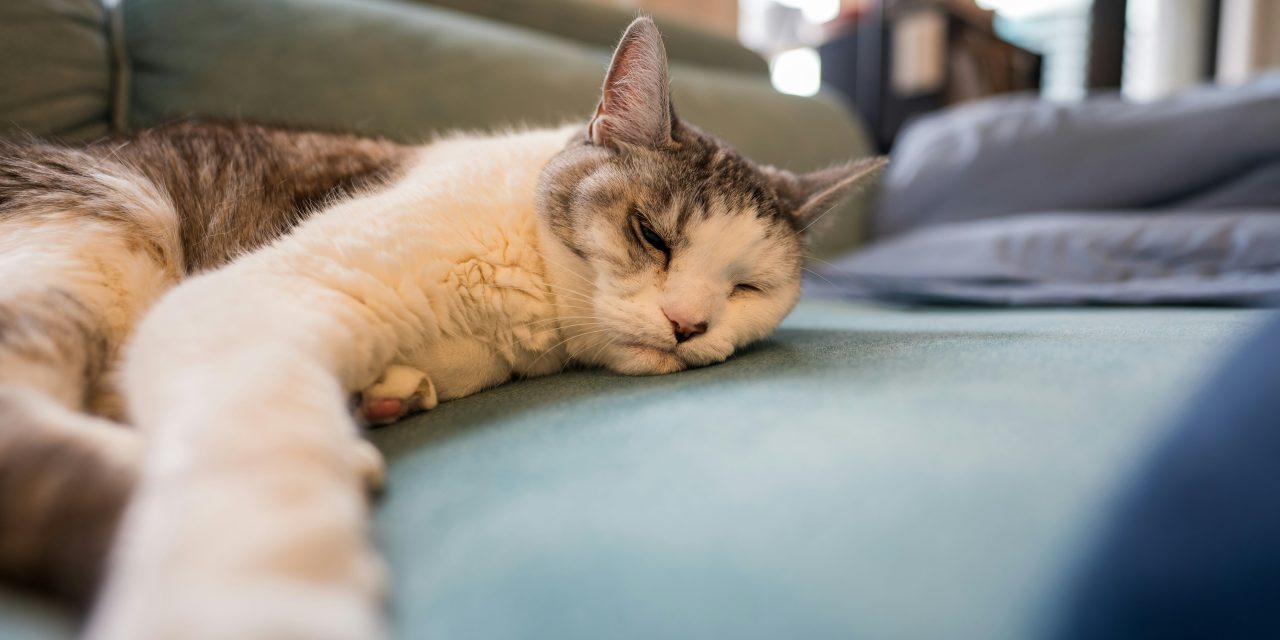
Establishing a serene environment is paramount for reducing feline stress. Cats thrive in spaces that offer security and tranquility. Designating a quiet area in your home where your cat can retreat when feeling overwhelmed is essential. This space should be free from loud noises and excessive foot traffic, allowing your cat to feel safe and secure.
In addition to creating a quiet space, consider minimizing environmental stressors. This may involve using soundproofing materials or white noise machines to mask disruptive sounds. Ensuring that your cat has access to comfortable resting spots away from disturbances can significantly enhance their sense of security and well-being.
Providing Comfortable Hiding Spots

Cats are instinctively drawn to hiding spots where they can observe their surroundings while feeling concealed. Providing various hiding places throughout your home can help alleviate stress and promote relaxation. Consider using cat trees, tunnels, or cozy boxes that allow your feline friend to retreat when they need a break from stimulation.
Moreover, placing these hiding spots in different areas of your home encourages exploration and provides your cat with options for comfort. Ensure that these spaces are easily accessible and equipped with soft bedding or blankets to enhance their appeal. By offering multiple hiding spots, you empower your cat to choose when and where they feel most secure.
Using Calming Pheromone Products
Calming pheromone products have gained popularity among pet owners seeking to alleviate feline stress. These synthetic pheromones mimic the natural calming scents produced by cats, promoting relaxation and reducing anxiety. Available in various forms, including diffusers, sprays, and collars, these products can be integrated into your cat’s environment to create a soothing atmosphere.
When using pheromone products, it is essential to follow the manufacturer’s instructions for optimal results. Many pet owners report positive outcomes within a few weeks of consistent use. However, it is crucial to remember that while pheromones can be effective for some cats, they may not work for every individual. Monitoring your cat’s response will help determine if this approach is beneficial.
Establishing a Consistent Routine
Cats thrive on routine, as it provides them with a sense of predictability and security. Establishing a consistent daily schedule for feeding, playtime, and grooming can significantly reduce stress levels in your feline companion. By adhering to a regular routine, you help your cat understand what to expect throughout the day, minimizing anxiety associated with uncertainty.
In addition to daily routines, consider incorporating rituals that promote bonding between you and your cat. Engaging in regular play sessions or quiet cuddle time can strengthen your relationship and provide emotional support during stressful periods. A stable routine fosters trust and reassurance, ultimately contributing to your cat’s overall well-being.
Engaging in Gentle Play and Interaction
Interactive play is an excellent way to alleviate stress in cats while providing mental stimulation and physical exercise. Engaging in gentle play sessions using toys that mimic prey behavior can help channel your cat’s energy positively. Feather wands, laser pointers, and interactive puzzle toys are excellent options for encouraging active participation.
Moreover, gentle interaction fosters emotional connections between you and your cat. Spending quality time together through petting or brushing can create a calming effect and reinforce feelings of safety and affection. Regular playtime not only helps reduce stress but also promotes a healthy lifestyle for your feline friend.
Offering Soothing Music or White Noise
Sound plays a significant role in creating a calming environment for cats. Research has shown that certain types of music can have a soothing effect on animals, including felines. Playing soft classical music or specially designed playlists for cats can help reduce anxiety levels and promote relaxation.
In addition to music, white noise machines can effectively mask disruptive sounds that may trigger stress responses in cats. The gentle hum of white noise creates a consistent auditory backdrop that can help drown out sudden noises from outside or within the home. Experimenting with different soundscapes can help you identify what resonates best with your cat’s preferences.
Utilizing Natural Remedies and Supplements
Natural remedies and supplements have gained traction as alternative approaches to managing feline stress. Herbal supplements containing ingredients like chamomile, valerian root, or L-theanine may promote relaxation without the side effects associated with pharmaceutical interventions. Always consult with a veterinarian before introducing any new supplements to ensure they are safe for your cat’s specific needs.
Additionally, incorporating calming essential oils into your cat’s environment can provide therapeutic benefits. However, it is crucial to use pet-safe oils and dilute them appropriately before application. Essential oils such as lavender or chamomile may help create a serene atmosphere conducive to relaxation.
Avoiding Common Stress Triggers
Identifying and avoiding common stress triggers is essential for maintaining your cat’s emotional well-being. Factors such as loud noises, unfamiliar visitors, or changes in household routines can contribute significantly to feline anxiety. Being proactive in recognizing these triggers allows you to implement strategies that minimize their impact on your cat’s life.
For instance, if your cat is particularly sensitive to loud noises during thunderstorms or fireworks displays, consider creating a safe space equipped with comforting items like blankets and toys during these events. Additionally, gradually introducing new pets or people into the household can help ease the transition and reduce feelings of insecurity.
When to Consult a Veterinarian or Behaviorist
If your cat’s stress levels persist despite implementing various strategies, it may be time to consult a veterinarian or animal behaviorist. These professionals can provide valuable insights into underlying medical conditions that may contribute to anxiety or behavioral issues. A thorough examination may reveal health concerns that require attention before addressing behavioral aspects.
In some cases, veterinarians may recommend pharmaceutical interventions alongside behavioral modifications for severe anxiety cases. Medications such as selective serotonin reuptake inhibitors (SSRIs) or anti-anxiety medications may be prescribed to help manage symptoms effectively. Collaborating with professionals ensures that you receive tailored guidance based on your cat’s unique needs.
In summary, understanding feline stress involves recognizing its causes and signs while implementing effective strategies for prevention and treatment. Creating a safe environment, providing comfortable hiding spots, utilizing calming products, establishing routines, engaging in gentle play, offering soothing sounds, exploring natural remedies, avoiding triggers, and seeking professional guidance when necessary are all vital components of promoting feline well-being. By prioritizing your cat’s emotional health through these measures, you contribute significantly to their overall quality of life and happiness.
FAQs
What are common signs of a stressed cat?
Common signs of a stressed cat include excessive grooming, hiding, changes in appetite, vocalization, aggression, and litter box issues. Observing these behaviors can help you identify when your cat is feeling anxious or overwhelmed.
How can I create a calming environment for my cat at home?
To create a calming environment for your cat, provide a quiet space with comfortable bedding, ensure access to hiding spots, use pheromone diffusers, and minimize loud noises. Keeping a consistent routine can also help reduce stress.
Are there specific products that can help calm a stressed cat?
Yes, there are several products designed to help calm stressed cats, including pheromone sprays and diffusers, calming collars, and herbal supplements. Always consult your veterinarian before introducing new products to ensure they are safe for your cat.
Can playtime help reduce my cat’s stress levels?
Absolutely! Engaging your cat in regular playtime can help reduce stress by providing mental stimulation and physical exercise. Interactive toys and scheduled play sessions can help distract your cat from stressors and promote relaxation.
When should I consult a veterinarian about my cat’s stress?
If your cat’s stress symptoms persist for an extended period, worsen, or lead to health issues such as loss of appetite or excessive grooming, it is important to consult a veterinarian. They can help identify underlying causes and recommend appropriate treatments.