Feline behavior is a complex tapestry woven from instinct, environment, and individual personality. Hiding is a natural behavior for cats, deeply rooted in their evolutionary history as both predators and prey. In the wild, cats often seek refuge in concealed spaces to avoid detection by larger predators while also stalking their own prey. This instinctual behavior manifests in domestic settings, where cats may retreat to secluded areas when they feel threatened or overwhelmed. Understanding this behavior is crucial for cat owners, as it can provide insights into their pet’s emotional and physical well-being.
Cats are inherently territorial creatures, and their hiding spots often serve as safe havens where they can observe their surroundings without being seen. These spaces can range from under furniture to inside closets or even behind appliances. Recognizing that hiding is not always a sign of distress is essential; it can also indicate that a cat is simply seeking solitude or comfort. However, when a cat suddenly increases its hiding behavior, it may signal underlying issues that warrant further investigation.
Common Reasons Cats Suddenly Start Hiding
There are numerous factors that can lead to a cat suddenly adopting a more reclusive demeanor. One of the most common reasons is the introduction of stressors in their environment. Changes such as loud noises, unfamiliar visitors, or alterations in routine can prompt a cat to seek refuge in a hidden location. Additionally, cats are creatures of habit; any disruption to their daily routine can lead to anxiety and subsequent hiding behavior.
Another significant factor is the presence of other animals or pets in the household. Cats are territorial by nature, and the introduction of a new pet can lead to feelings of insecurity and fear. This can result in the affected cat retreating to a safe space to avoid confrontation or perceived threats. Understanding these triggers is vital for cat owners to create a harmonious living environment for their feline companions.
Health Issues That May Cause Your Cat to Hide

Health-related issues are often at the forefront when a cat begins to hide more frequently. Cats are known for their stoic nature; they often mask signs of illness until the condition becomes severe. Conditions such as dental disease, arthritis, or gastrointestinal disorders can cause discomfort that leads a cat to seek solace in hidden areas. For instance, a cat suffering from dental pain may avoid social interaction and retreat to a quiet corner of the house.
Moreover, more serious health concerns such as infections, tumors, or metabolic disorders can also manifest through increased hiding behavior. If a cat exhibits other symptoms such as lethargy, changes in appetite, or altered grooming habits alongside hiding, it is crucial for owners to consult with a veterinarian promptly. Early detection and intervention can significantly improve outcomes for many health issues.
Stress and Anxiety Triggers in Cats

Stress and anxiety are prevalent issues among domestic cats, often leading to behavioral changes such as hiding. Various triggers can contribute to feline stress, including loud noises from thunderstorms or fireworks, changes in household dynamics, or even the presence of unfamiliar scents. Cats have heightened senses; thus, they may react more intensely to stimuli that humans might overlook.
Additionally, social stressors such as conflicts with other pets or changes in the owner’s schedule can exacerbate anxiety levels. It is essential for cat owners to recognize these triggers and take proactive measures to mitigate stressors in their environment. Providing safe spaces, engaging in interactive play, and maintaining a consistent routine can help alleviate anxiety and encourage more confident behavior.
Changes in the Household Environment
Household changes can significantly impact a cat’s sense of security and comfort. Renovations, moving furniture, or even new paint scents can create an unsettling atmosphere for felines. Cats thrive on familiarity; thus, any alteration in their environment may prompt them to seek refuge in hidden areas until they feel secure again.
Moreover, the introduction of new household items such as vacuum cleaners or large appliances can also be intimidating for cats. These changes may disrupt their established routines and lead them to retreat into hiding. To ease the transition during such changes, owners should allow their cats time to acclimate gradually and provide reassurance through gentle interaction.
The Impact of New Pets or Family Members
The introduction of new pets or family members can be particularly challenging for resident cats. Cats are territorial animals; thus, they may perceive newcomers as threats to their established domain. This perception can lead to increased hiding behavior as they attempt to avoid confrontation or assert their territory.
To facilitate a smoother transition when introducing new pets or family members, gradual introductions are key. Allowing the resident cat to explore the newcomer’s scent before direct interaction can help reduce anxiety. Providing separate spaces for each pet initially can also minimize territorial disputes and allow each animal to adjust at its own pace.
Seasonal and Weather-Related Hiding Behaviors
Seasonal changes can influence feline behavior significantly. For instance, during colder months, cats may seek out warm hiding spots such as under blankets or inside closets. Conversely, during hot weather, they may hide in cooler areas of the house to escape heat stress. Understanding these seasonal patterns can help owners anticipate their cat’s needs and behaviors.
Additionally, extreme weather events such as thunderstorms or heavy rain can trigger anxiety in cats, prompting them to seek shelter in hidden areas. Providing a safe space equipped with comforting items like blankets or toys can help alleviate stress during these times.
Age-Related Factors Influencing Hiding
Age plays a crucial role in feline behavior, particularly concerning hiding tendencies. Senior cats may exhibit increased hiding behavior due to age-related health issues such as arthritis or cognitive dysfunction syndrome (CDS). As cats age, they may experience discomfort or confusion that leads them to seek out quiet spaces where they feel secure.
Moreover, younger cats may hide due to shyness or fear of new experiences. Understanding the developmental stage of your cat is essential for addressing their needs appropriately. Providing enrichment activities tailored to their age group can encourage confidence and reduce hiding tendencies.
How to Safely Approach a Hiding Cat
Approaching a hiding cat requires patience and understanding. It is essential not to force interaction, as this may exacerbate anxiety and lead to further retreating behavior. Instead, owners should create an inviting atmosphere by speaking softly and allowing the cat to come out on its own terms.
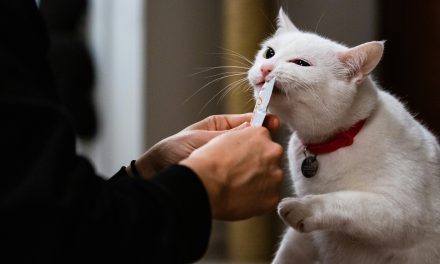
Using treats or toys can entice a hiding cat to emerge without feeling threatened. Additionally, providing cozy bedding or safe spaces near the hiding area can encourage exploration while ensuring the cat feels secure.
When to Consult a Veterinarian
Consulting a veterinarian becomes imperative when a cat’s hiding behavior is accompanied by other concerning symptoms such as lethargy, changes in appetite, vomiting, or diarrhea. These signs may indicate underlying health issues that require immediate attention. Regular veterinary check-ups are essential for early detection of potential health problems.
If behavioral changes persist despite environmental adjustments and stress-reduction strategies, seeking professional guidance from a veterinarian or animal behaviorist may be beneficial. They can provide tailored recommendations based on the specific needs of your feline companion.
Tips for Helping Your Cat Feel Safe and Secure
Creating an environment that fosters safety and security is paramount for reducing hiding behavior in cats. Here are several strategies:
1. **Safe Spaces**: Designate quiet areas where your cat can retreat when feeling overwhelmed.
2. **Interactive Play**: Engage your cat with interactive toys that stimulate mental and physical activity.
3. **Routine Maintenance**: Maintain consistent feeding schedules and daily routines to provide stability.
4. **Pheromone Diffusers**: Consider using feline pheromone diffusers that promote relaxation.
5. **Gradual Introductions**: When introducing new pets or family members, do so gradually to minimize stress.
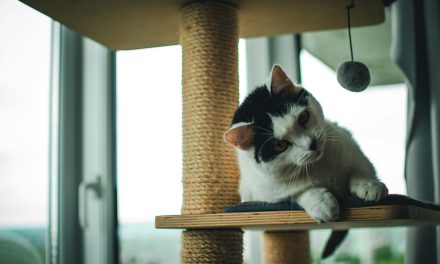
6. **Environmental Enrichment**: Provide scratching posts, climbing trees, and puzzle feeders to keep your cat engaged.
7. **Regular Veterinary Care**: Schedule routine check-ups to monitor your cat’s health and address any concerns promptly.
In summary, understanding feline hiding behavior involves recognizing its multifaceted nature rooted in instinctual tendencies and environmental influences. While hiding can be a normal aspect of feline life, sudden changes warrant attention due to potential health issues or stressors within the household. By fostering an environment that prioritizes safety and security while remaining vigilant about health concerns, cat owners can help their feline companions thrive emotionally and physically.
FAQs
Why might my cat suddenly start hiding?
Cats may hide for various reasons, including stress, illness, or changes in their environment. A sudden change in routine, the introduction of new pets or people, or loud noises can cause anxiety, prompting your cat to seek a safe space.
Could my cat be sick if it’s hiding?
Yes, hiding can be a sign that your cat is not feeling well. Cats instinctively hide when they are in pain or unwell as a survival mechanism. If your cat is hiding more than usual and shows other signs of illness, such as lethargy or loss of appetite, it’s important to consult a veterinarian.
How can I tell if my cat is hiding due to stress?
Signs of stress in cats can include excessive hiding, changes in eating or grooming habits, aggression, or vocalization. If your cat is hiding and displaying any of these behaviors, it may be experiencing stress. Identifying the source of stress and providing a calm environment can help.
Is it normal for cats to hide sometimes?
Yes, it is normal for cats to hide occasionally. Cats are naturally solitary hunters and may seek out quiet, secluded spots to rest or feel secure. However, if this behavior becomes excessive or sudden, it may indicate an underlying issue that needs to be addressed.
What should I do if my cat is hiding?
If your cat is hiding, first ensure that it has a safe and comfortable space to retreat to. Monitor its behavior for any signs of illness or stress. If the hiding persists or is accompanied by other concerning symptoms, consult a veterinarian for advice and potential treatment.