When considering the addition of a cat tree to your apartment, the first step involves a thorough assessment of your available space. Begin by measuring the dimensions of the area where you intend to place the cat tree. This includes not only the floor space but also the vertical space, as many cat trees are designed to reach upwards. Take note of any furniture or fixtures that may obstruct the placement of the cat tree, ensuring that it does not impede movement or accessibility within your living environment.
Additionally, consider the layout of your apartment. Open floor plans may allow for more flexibility in positioning a cat tree, while smaller, more confined spaces may require strategic placement. Evaluate natural light sources, as cats often enjoy basking in sunlight. Positioning the cat tree near a window can enhance your feline’s experience, providing them with a view of the outside world and stimulating their curiosity.
Understanding Your Cat’s Needs and Preferences
Every cat has unique preferences and behavioral traits that influence their interaction with their environment. Understanding these needs is crucial when selecting a cat tree. For instance, some cats prefer high vantage points where they can observe their surroundings, while others may favor enclosed spaces that provide a sense of security. Observe your cat’s behavior to identify their preferences; do they enjoy climbing, scratching, or lounging?
Moreover, consider your cat’s age and physical condition. Kittens may require a more robust structure to accommodate their playful antics, while senior cats might benefit from lower platforms that are easier to access. Additionally, certain breeds have specific tendencies; for example, Siamese cats are known for their agility and love for heights, while Persians may prefer cozy hideaways. Tailoring your choice to your cat’s individual needs will ensure they derive maximum enjoyment from their new addition.
Choosing the Right Size and Height for Small Spaces

In compact living environments, selecting the appropriate size and height for a cat tree is paramount. A towering structure may overwhelm a small room, while a too-small tree may not provide adequate stimulation for your feline companion. Aim for a balance that allows your cat to explore and play without dominating the space.
Consider opting for a cat tree that features multiple levels but maintains a compact footprint. Trees with tiered platforms can provide vertical stimulation without requiring excessive floor space. Additionally, look for designs that incorporate ramps or steps to facilitate easy access to higher levels, especially for older or less agile cats. A well-chosen size will enhance your cat’s experience while preserving the aesthetic of your apartment.
Selecting Multi-Functional Cat Trees to Maximize Space

Multi-functional cat trees are an excellent solution for maximizing limited space in an apartment setting. These versatile structures often combine various features such as scratching posts, lounging areas, and interactive toys into one cohesive unit. By consolidating multiple functions into a single piece of furniture, you can save valuable floor space while providing your cat with an enriching environment.
When selecting a multi-functional cat tree, look for models that include integrated storage solutions or dual-purpose elements. For example, some designs feature shelves that can double as bookshelves or decorative displays when not in use by your cat. This approach not only enhances functionality but also allows you to maintain a stylish living space without sacrificing your pet’s needs.
Materials and Durability: What Works Best in Apartments
The materials used in constructing a cat tree significantly impact its durability and suitability for apartment living. Opt for high-quality materials that can withstand the wear and tear of daily use by your feline friend. Solid wood frames provide stability and longevity, while engineered wood can offer a more budget-friendly alternative without compromising strength.
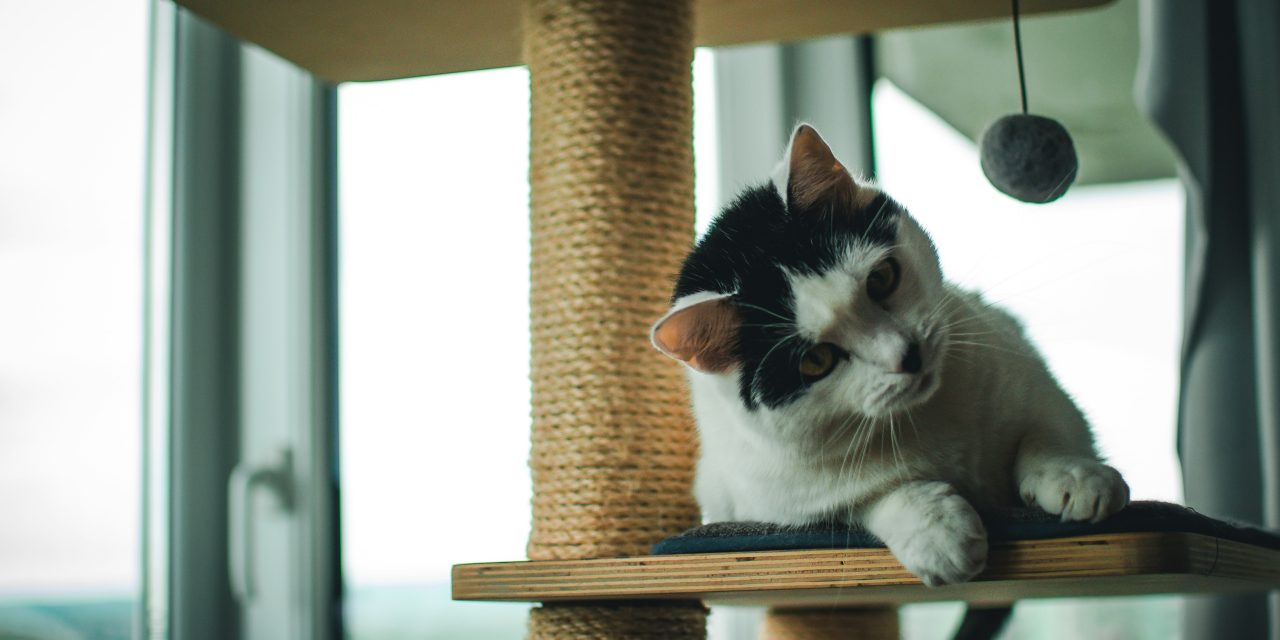
Additionally, consider the upholstery and coverings used on platforms and scratching surfaces. Fabrics such as sisal rope are ideal for scratching posts due to their durability and ability to withstand clawing. Soft faux fur or carpet can provide comfort for lounging areas but should be easy to clean to maintain hygiene in your living space. Selecting durable materials will ensure that your investment lasts while keeping your apartment looking pristine.
Considering Easy Assembly and Portability
When choosing a cat tree for your apartment, ease of assembly and portability should be key considerations. Many models come with complex assembly instructions that can be daunting for pet owners. Look for designs that feature straightforward assembly processes with minimal tools required. Some manufacturers even provide pre-assembled components to simplify setup.
Portability is another essential factor, especially if you anticipate moving or rearranging furniture frequently. Lightweight designs or those with detachable components can make it easier to relocate the cat tree as needed. This flexibility allows you to adapt your living space without compromising your cat’s comfort or enjoyment.
Safety Features to Look for in a Compact Cat Tree
Safety is paramount when selecting a cat tree, particularly in smaller living spaces where stability may be compromised. Ensure that the structure has a sturdy base to prevent tipping during vigorous play or climbing sessions. Look for models with anti-tip features or wall anchors that can secure the tree to prevent accidents.
Additionally, inspect the materials used in construction for any sharp edges or hazardous components that could pose risks to your pet. Ensure that all surfaces are smooth and free from splinters or protruding elements that could cause injury. Prioritizing safety features will provide peace of mind as your feline explores their new environment.
Style and Design: Matching Your Apartment Decor
Aesthetics play an important role in selecting a cat tree that complements your apartment decor. With various styles available—from modern minimalist designs to rustic wooden structures—there is an option to suit every taste. Consider the color palette and overall theme of your living space when making your choice.
Incorporating a stylish cat tree into your decor can enhance the visual appeal of your apartment while providing functionality for your pet. Look for designs that feature neutral colors or patterns that blend seamlessly with existing furnishings. This thoughtful approach ensures that your cat’s new addition enhances rather than detracts from your home’s ambiance.
Budget-Friendly Options Without Compromising Quality
Finding a budget-friendly cat tree does not mean sacrificing quality or functionality. Numerous brands offer affordable options without compromising on essential features such as durability and safety. Research various retailers and online platforms to compare prices and read customer reviews before making a purchase.
Consider exploring second-hand options through local marketplaces or thrift stores, where you may find gently used cat trees at reduced prices. If purchasing new, look for sales or discounts during seasonal promotions to maximize savings while ensuring you select a high-quality product that meets both your needs and those of your feline companion.
Incorporating Vertical Space to Save Floor Area
In smaller apartments, utilizing vertical space is an effective strategy for accommodating a cat tree without sacrificing floor area. Vertical designs allow cats to climb and explore upwards rather than spreading out horizontally, making them ideal for compact living environments. Look for tall structures with multiple levels that encourage climbing and jumping.
Additionally, consider wall-mounted options that can be installed at various heights throughout your apartment. These installations can create an engaging environment for your cat while freeing up valuable floor space for other uses. By incorporating vertical elements into your design, you can create an enriching habitat for your feline friend without overcrowding your living area.
Maintenance Tips for Keeping Your Cat Tree Clean and Fresh
Maintaining cleanliness is essential for ensuring the longevity of your cat tree and promoting a healthy environment for both you and your pet. Regularly inspect the structure for signs of wear or damage, addressing any issues promptly to prevent further deterioration.
To keep surfaces clean, vacuum the fabric areas frequently to remove hair and debris. Spot clean any stains using pet-safe cleaning solutions to maintain hygiene without harming your feline companion. Additionally, consider using removable covers on lounging areas that can be washed easily, ensuring that your cat’s resting spots remain fresh and inviting.
In summary, selecting the right cat tree for an apartment involves careful consideration of space, materials, safety features, and aesthetics. By understanding your cat’s needs and preferences while prioritizing functionality and style, you can create an enriching environment that enhances both your living space and your pet’s quality of life. With thoughtful planning and attention to detail, you can find the perfect solution that meets both yours and your feline friend’s needs effectively.
FAQs
What size cat tree is suitable for a small apartment?
For a small apartment, a compact cat tree that is around 3 to 5 feet tall is generally suitable. Look for designs that maximize vertical space without taking up too much floor area. Multi-level trees with shelves and perches can provide your cat with climbing opportunities while fitting into tighter spaces.
What features should I look for in a cat tree for a small space?
When choosing a cat tree for a small apartment, consider features such as a small footprint, multi-functional elements (like scratching posts and hiding spots), and lightweight materials for easy relocation. Additionally, look for trees with removable and washable covers to maintain cleanliness in a confined area.
Are there specific materials that are better for cat trees in small apartments?
Yes, materials like engineered wood, carpet, and sisal are commonly used for cat trees and are suitable for small apartments. Engineered wood is sturdy yet lightweight, while carpet provides comfort and traction. Sisal is ideal for scratching posts, helping to keep your cat entertained without damaging your furniture.
How can I ensure my cat tree is stable in a small space?
To ensure stability, choose a cat tree with a wide base and a low center of gravity. Additionally, consider anchoring the tree to a wall if it is particularly tall or if your cat is very active. Regularly check for any loose parts and tighten them to maintain stability over time.
Can I customize a cat tree to fit my small apartment better?
Yes, many cat trees can be customized or modified to better fit your space. You can add or remove components, such as perches or scratching posts, or even build a DIY cat tree using modular pieces. This allows you to create a design that suits your apartment’s layout and your cat’s preferences.