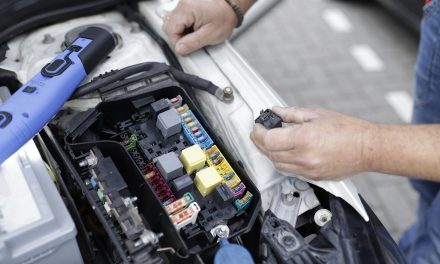
The car battery serves as the heart of the vehicle’s electrical system, providing the necessary voltage to start the engine and power various electrical components. Typically, a fully charged automotive battery should measure around 12.6 volts or higher. When the engine is running, the voltage should ideally range between 13.7 to 14.7 volts, indicating that the alternator is functioning correctly and charging the battery. Understanding these voltage parameters is crucial for diagnosing potential issues that may arise with your vehicle’s electrical system.
A battery’s voltage can fluctuate due to several factors, including temperature, age, and overall health. Cold weather can significantly reduce a battery’s efficiency, while older batteries may struggle to hold a charge. Regular monitoring of battery voltage is essential for maintaining optimal performance and preventing unexpected breakdowns. By familiarizing yourself with these basics, you can better understand the signs of a failing battery and take proactive measures to ensure your vehicle remains reliable.
When considering the health of your car battery, it’s essential to understand what voltage is too low for optimal performance. A voltage reading below 12.4 volts typically indicates that the battery is undercharged and may struggle to start your vehicle. For more insights on related automotive issues, you can check out this informative article on how to prevent ice buildup in your car’s freezer, which can also affect overall vehicle performance. Read more about it here.
Sign 1: Dim or Flickering Dashboard Lights
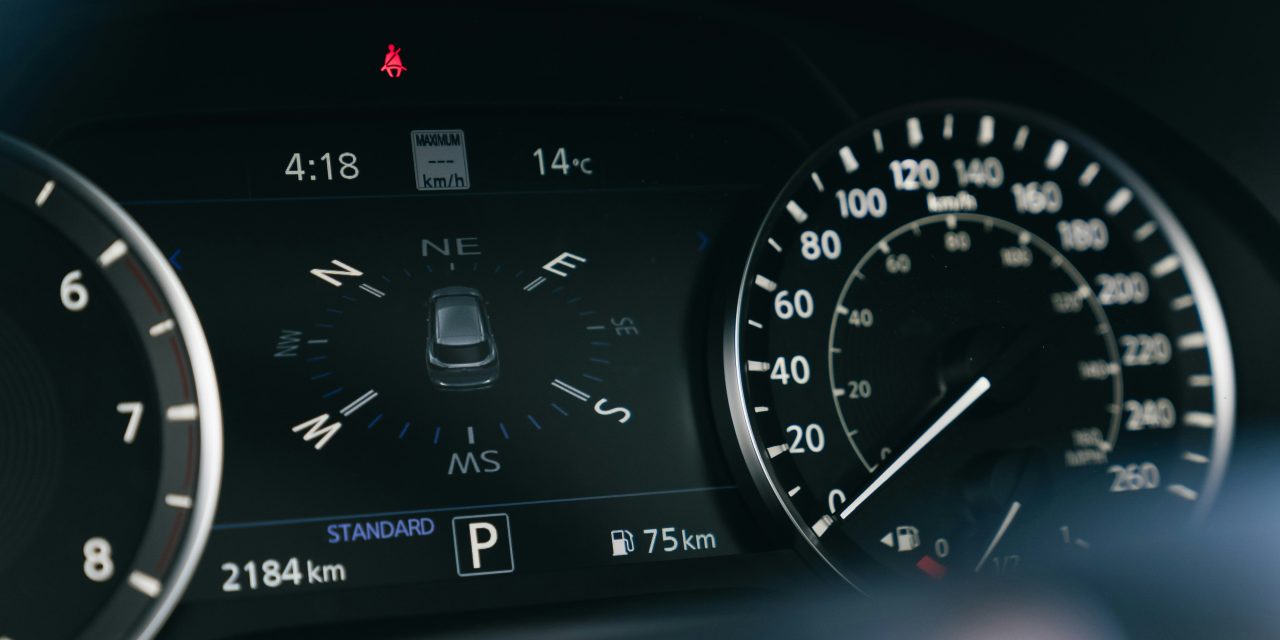
One of the most noticeable indicators of a failing car battery is the presence of dim or flickering dashboard lights. When the battery voltage drops below optimal levels, it can lead to insufficient power being supplied to the vehicle’s electrical systems. As a result, dashboard lights may appear less bright than usual or flicker intermittently, signaling that the battery may not be able to sustain the necessary voltage.
This symptom can also extend beyond just dashboard lights; other electrical components such as headlights and interior lights may exhibit similar behavior. If you notice these signs, it is crucial to investigate further, as they may indicate an underlying issue with the battery or the charging system. Ignoring these warning signs could lead to more severe problems down the line, including complete battery failure.
Sign 2: Slow or Struggling Engine Crank

Another prominent sign of a weakening battery is a slow or struggling engine crank when attempting to start your vehicle. A healthy battery should provide sufficient power to turn the engine over quickly and efficiently. However, if you find that your engine cranks slowly or hesitates before starting, this could be a clear indication that your battery is losing its ability to hold a charge.
Several factors can contribute to this issue, including age, corrosion on battery terminals, or even extreme weather conditions. If you experience this symptom consistently, it is advisable to have your battery tested by a professional. A slow crank can lead to further complications, such as straining the starter motor or causing additional wear on engine components.
Sign 3: Clicking Sound When Turning the Key

When you turn the ignition key and hear a clicking sound rather than the engine starting, it is often a telltale sign of a weak or dead battery. This clicking noise typically occurs when there is insufficient voltage to engage the starter motor fully. The starter solenoid may attempt to engage but fails due to inadequate power supply from the battery.
This symptom can be particularly frustrating, especially if you are in a hurry or far from home. It is essential to address this issue promptly, as repeated attempts to start the vehicle under these conditions can lead to further damage to the starter system. If you encounter this clicking sound consistently, it is advisable to check your battery’s voltage and consider replacement if necessary.
When considering the health of your car battery, it’s important to understand what voltage is too low for optimal performance. A voltage reading below 12.4 volts typically indicates that the battery is not fully charged and may require attention. For more insights into related automotive issues, you might find this article on air conditioning problems helpful, as it discusses common issues that can affect vehicle performance. You can read it here. Keeping your battery in good condition is essential for ensuring your vehicle runs smoothly.
Sign 4: Electrical Accessories Malfunctioning
A failing car battery can also manifest through malfunctioning electrical accessories within your vehicle. Components such as power windows, radio systems, and air conditioning units may exhibit erratic behavior or fail to operate altogether when the battery voltage is low. These issues often arise when the battery cannot provide adequate power to support multiple electrical systems simultaneously.
If you notice that your electrical accessories are not functioning correctly, it may be time to investigate your battery’s health. In some cases, these symptoms may also indicate problems with the alternator or wiring within the vehicle’s electrical system. Conducting a thorough inspection can help pinpoint the root cause of these malfunctions and prevent further complications.
When considering the health of your vehicle’s electrical system, understanding what voltage is too low for a car battery is crucial. A battery typically operates optimally between 12.4 to 12.7 volts when fully charged, and anything below 12.0 volts may indicate a problem. For more insights on maintaining your car’s battery and ensuring it functions properly, you might find this article on top native plants to attract pollinators interesting, as it highlights the importance of nurturing your environment, much like caring for your vehicle.
Sign 5: Warning Lights on the Dashboard
Modern vehicles are equipped with sophisticated diagnostic systems that alert drivers to potential issues through warning lights on the dashboard. If you see warning lights related to the battery or charging system illuminated, it is crucial not to ignore them. These indicators serve as early warnings that something may be amiss with your vehicle’s electrical system.
Common warning lights include the battery light and check engine light, both of which can signify low battery voltage or charging system failure. If these lights appear alongside other symptoms discussed earlier, it is advisable to have your vehicle inspected by a qualified technician who can diagnose and address any underlying issues effectively.
How to Measure Your Car Battery Voltage
Measuring your car battery voltage is a straightforward process that can be done using a multimeter or voltmeter. To begin, ensure that your vehicle is turned off and all electrical accessories are disabled. Connect the multimeter leads: the red lead to the positive terminal and the black lead to the negative terminal of the battery. A healthy battery should read around 12.6 volts or higher when fully charged.
If your reading falls below 12.4 volts, it indicates that your battery may be partially discharged and requires charging. A reading below 12 volts suggests that your battery is significantly depleted and may need replacement soon. For more accurate results, consider measuring voltage while the engine is running; this will help determine if the alternator is functioning correctly by checking for readings between 13.7 and 14.7 volts.
Common Causes of Low Battery Voltage
Several factors can contribute to low battery voltage in vehicles. One common cause is age; as batteries age, their ability to hold a charge diminishes due to internal chemical reactions that occur over time. Additionally, extreme temperatures—both hot and cold—can adversely affect battery performance by accelerating discharge rates or causing electrolyte evaporation.
Corrosion on battery terminals can also impede electrical flow, leading to reduced voltage levels. Furthermore, leaving electrical accessories on for extended periods without running the engine can drain the battery significantly. Identifying these common causes can help you take preventive measures and maintain optimal battery health.
Preventative Maintenance Tips for Battery Health
To prolong your car battery’s lifespan and ensure optimal performance, consider implementing several preventative maintenance tips:
1. **Regular Inspections**: Periodically check for corrosion on terminals and clean them as needed using a mixture of baking soda and water.
2. **Secure Connections**: Ensure that all connections are tight and secure to prevent voltage drops.
3. **Limit Short Trips**: Frequent short trips can prevent your battery from fully charging; try to combine errands into longer drives when possible.
4. **Battery Testing**: Have your battery tested annually by a professional technician to assess its health and capacity.
5. **Temperature Considerations**: If you live in an area with extreme temperatures, consider investing in a thermal blanket for added insulation during cold months.
By following these tips, you can enhance your car battery’s longevity and reliability.
When to Replace Your Car Battery
Knowing when to replace your car battery is crucial for avoiding unexpected breakdowns. Generally, automotive batteries have a lifespan of three to five years; however, this can vary based on usage patterns and environmental conditions. Signs that indicate it may be time for replacement include frequent jump-starts, consistently low voltage readings, or any of the symptoms discussed earlier.
If your battery shows signs of swelling or leakage, it should be replaced immediately as these conditions pose safety risks and indicate severe internal damage. Regularly monitoring your battery’s performance will help you make informed decisions about replacement timing.
Emergency Steps to Take If Your Battery Is Too Low to Start
If you find yourself in a situation where your car battery is too low to start, there are several emergency steps you can take:
1. **Jump-Start**: Use jumper cables and another vehicle with a functional battery to jump-start your car.
2. **Battery Charger**: If available, use a portable battery charger to recharge your battery.
3. **Call for Assistance**: If you’re unable to jump-start your vehicle yourself, consider calling roadside assistance for help.
4. **Check Connections**: Inspect terminals for corrosion or loose connections before attempting any jump-starts.
5. **Seek Professional Help**: If repeated attempts fail, consult a mechanic for further diagnosis and potential replacement.
By following these steps, you can effectively address low battery issues and get back on the road safely.
In summary, understanding car battery voltage basics is essential for maintaining vehicle reliability and performance. Recognizing signs such as dim dashboard lights, slow engine cranks, clicking sounds during ignition attempts, malfunctioning electrical accessories, and warning lights can help diagnose potential issues early on. Regularly measuring voltage levels and being aware of common causes of low voltage will aid in preventative maintenance efforts. Ultimately, knowing when to replace your car battery and taking emergency steps when faced with low voltage situations will ensure that you remain prepared for any challenges on the road ahead.
FAQs
What is the normal voltage range for a fully charged car battery?
A fully charged car battery typically has a voltage range of 12.6 to 12.8 volts. When the engine is running, the voltage can rise to between 13.7 and 14.7 volts due to the alternator charging the battery.
At what voltage is a car battery considered discharged?
A car battery is generally considered discharged when its voltage drops below 12.4 volts. At this level, the battery may not have enough power to start the engine reliably.
What voltage indicates a dead car battery?
A car battery is usually considered dead when its voltage falls below 12.0 volts. At this point, the battery may not be able to start the vehicle and may require recharging or replacement.
Can a car battery recover from low voltage?
Yes, a car battery can recover from low voltage if it is recharged promptly. However, repeated deep discharges can shorten the battery’s lifespan and may lead to permanent damage.
What are the symptoms of a car battery with low voltage?
Symptoms of a car battery with low voltage include difficulty starting the engine, dimming headlights, and electrical accessories not functioning properly. If these symptoms occur, it may indicate that the battery needs to be charged or replaced.