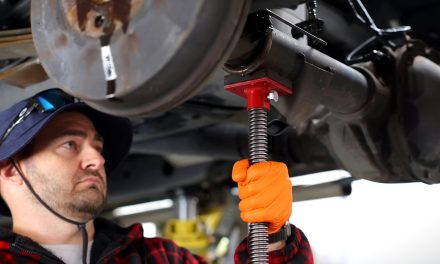
Brake pads are a critical component of a vehicle’s braking system, serving as the interface between the brake caliper and the brake rotor. When the driver applies the brakes, hydraulic pressure forces the caliper to squeeze the brake pads against the rotor, generating friction that slows down or stops the vehicle. This process is essential for ensuring safe driving, as it directly affects stopping power and overall vehicle control. The effectiveness of brake pads can significantly influence a driver’s ability to respond to sudden obstacles or emergencies on the road.
The materials used in brake pads can vary widely, including organic, semi-metallic, and ceramic compounds. Each type has its own advantages and disadvantages in terms of performance, noise levels, and wear rates. For instance, ceramic brake pads tend to produce less dust and noise while providing consistent stopping power, making them a popular choice for many modern vehicles. Understanding the role of brake pads not only highlights their importance in vehicle safety but also emphasizes the need for regular maintenance and timely replacement to ensure optimal performance.
When considering vehicle maintenance, it’s essential to know how often brake pads should be replaced to ensure safety and performance. Regular inspections can help identify wear and tear, but a general rule of thumb is to replace brake pads every 30,000 to 70,000 miles, depending on driving habits and conditions. For more insights on maintaining a safe and comfortable home environment, you might find this article on effective pest control products helpful: Top 10 Effective Pest Control Products for a Bug-Free Home.
Common Lifespan of Brake Pads: What to Expect
The lifespan of brake pads can vary significantly based on several factors, including driving habits, vehicle type, and environmental conditions. On average, most brake pads are designed to last between 30,000 to 70,000 miles. However, aggressive driving styles—characterized by rapid acceleration and hard braking—can lead to accelerated wear and necessitate more frequent replacements. Conversely, gentle driving habits may extend the lifespan of brake pads considerably.
Environmental factors also play a crucial role in determining how long brake pads last. For example, frequent stop-and-go traffic in urban areas can lead to quicker wear compared to highway driving, where brakes are used less frequently. Additionally, exposure to harsh weather conditions, such as rain or snow, can contribute to corrosion and degradation of brake components. Regular inspections and understanding these variables can help drivers anticipate when their brake pads may need replacement.
Sign I: Squeaking or Squealing Noises When Braking

One of the most common indicators that brake pads require attention is the presence of squeaking or squealing noises during braking. These sounds often arise from a wear indicator embedded within the brake pad material, designed to alert drivers when the pads have worn down to a critical level. The high-pitched noise serves as an early warning sign that replacement is necessary to maintain optimal braking performance.
In some cases, squeaking may also result from dust or debris trapped between the brake pad and rotor. While this may not indicate immediate danger, it is advisable to have the brakes inspected to prevent further wear or damage. Ignoring these sounds can lead to more severe issues, including rotor damage or decreased braking efficiency.
Sign II: Grinding Sounds Indicating Worn Brake Pads

Grinding noises when applying brakes are a more serious warning sign that should not be overlooked. This sound typically indicates that the brake pads have worn down completely, causing metal-on-metal contact between the caliper and rotor. Such contact can lead to significant damage to both the rotors and calipers, resulting in costly repairs if not addressed promptly.
If grinding occurs, it is crucial to stop driving immediately and have the vehicle inspected by a qualified technician. Continuing to drive with worn-out brake pads can compromise vehicle safety and lead to further mechanical failures. Addressing this issue promptly can save drivers from more extensive repairs down the line.
When considering vehicle maintenance, understanding how often brake pads should be replaced is crucial for safety and performance. Regular inspections can help identify wear and tear, ensuring that your vehicle remains in optimal condition. For more insights on maintaining your vehicle, you might find this article on cleaning an ice maker interesting, as it highlights the importance of regular upkeep in different aspects of home and vehicle care.
Sign III: Reduced Responsiveness or Longer Stopping Distances
A noticeable decrease in braking responsiveness or an increase in stopping distances can signal that brake pads are nearing the end of their lifespan. Drivers may find that they must apply more pressure to the brake pedal to achieve the same stopping power they once experienced. This change can be attributed to worn-out pads that no longer provide adequate friction against the rotors.
Longer stopping distances can pose a significant safety risk, especially in emergency situations where quick reactions are necessary. If drivers notice these changes in their vehicle’s braking performance, it is essential to have the braking system evaluated by a professional technician as soon as possible.
When considering vehicle maintenance, one important aspect to keep in mind is how often brake pads should be replaced to ensure safety and performance. Regular inspections can help determine their condition, but if you’re looking for more information on related home maintenance topics, you might find this article on fixing drafty windows without replacing them quite insightful. It highlights practical solutions that can enhance your home’s energy efficiency. For more details, check out the article here.
Sign IV: Vibrations or Pulsations in the Brake Pedal
Experiencing vibrations or pulsations in the brake pedal while braking can indicate several underlying issues related to brake pad wear or rotor condition. This phenomenon often occurs when rotors become warped due to excessive heat buildup or uneven wear patterns. When brake pads make contact with warped rotors, it can create an uneven surface that leads to vibrations felt through the pedal.
In addition to being uncomfortable for drivers, these vibrations can compromise braking efficiency and safety. If this symptom is observed, it is advisable to have both the brake pads and rotors inspected for damage or wear. Addressing these issues promptly can help restore smooth braking performance and enhance overall vehicle safety.
Sign V: Indicator Light on the Dashboard
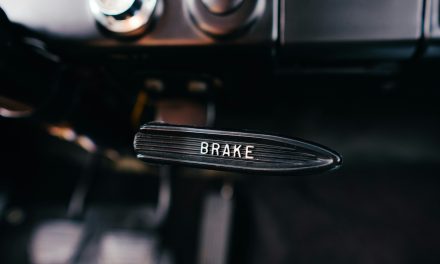
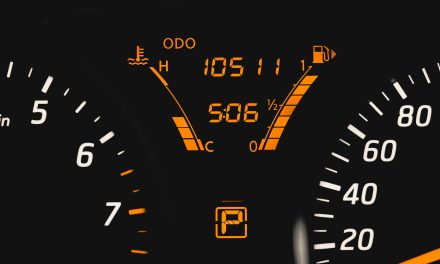
Modern vehicles are equipped with advanced diagnostic systems that monitor various components of the braking system, including brake pad wear. An illuminated dashboard indicator light specifically related to brakes serves as an important alert for drivers that maintenance is required. This light may appear as a warning symbol resembling a circle with an exclamation mark or “BRAKE” written on it.
When this light activates, it is essential for drivers to take immediate action by consulting their vehicle’s owner manual and scheduling an inspection with a qualified mechanic. Ignoring this warning could lead to compromised braking performance and increased risk of accidents.
Sign VI: Visible Wear Through the Wheel Spokes
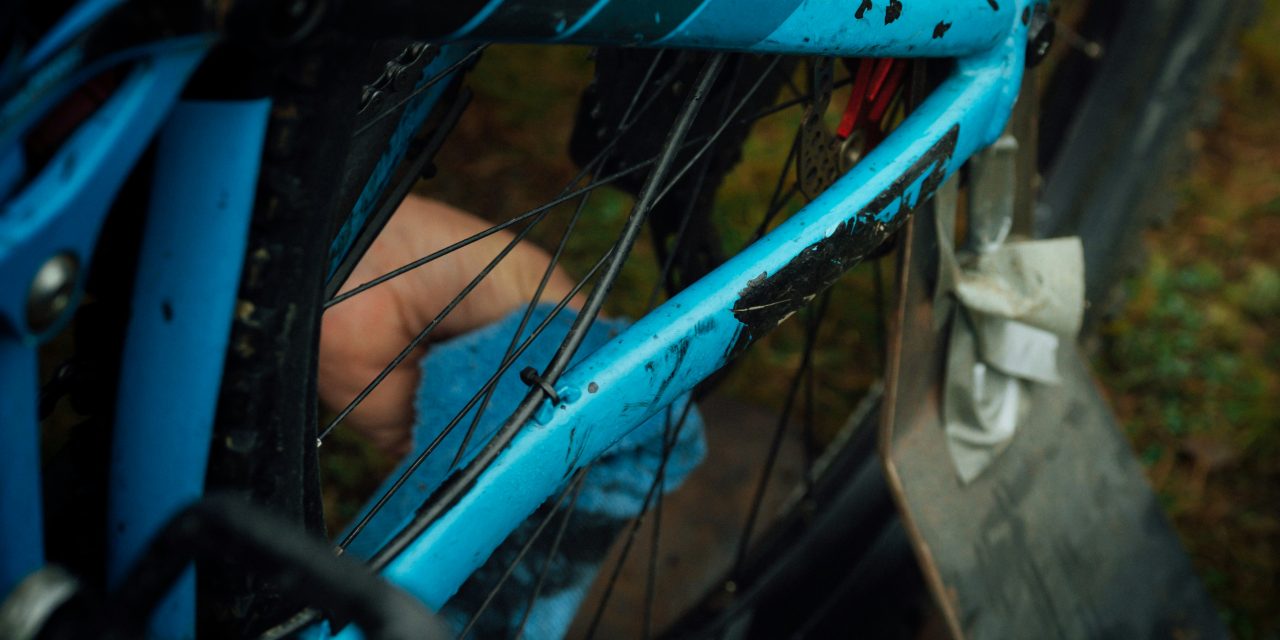
A visual inspection of brake pads can provide valuable insights into their condition. Drivers should periodically check for visible wear through wheel spokes, which allows for easy observation of brake pad thickness. If the pads appear thin or if there is less than a quarter-inch of material remaining, it is time for replacement.
Additionally, any signs of discoloration or uneven wear patterns on the rotors should also be noted during visual inspections. These observations can help drivers stay proactive about their vehicle’s maintenance needs and ensure that they address any potential issues before they escalate into more significant problems.
Sign VII: Pulling to One Side When Braking
If a vehicle pulls to one side during braking, it may indicate uneven wear on the brake pads or issues with other components of the braking system. This phenomenon can occur when one set of brake pads wears down faster than the other or when there are discrepancies in hydraulic pressure within the braking system.
Pulling can compromise vehicle control and increase stopping distances, making it essential for drivers experiencing this symptom to seek professional assistance promptly. A thorough inspection will help identify the root cause of the issue and ensure that all components are functioning correctly.
Factors That Influence How Often Brake Pads Should Be Replaced
Several factors influence how frequently brake pads should be replaced, including driving habits, vehicle type, and environmental conditions. Aggressive driving styles characterized by rapid acceleration and hard braking can lead to quicker wear on brake pads compared to more conservative driving practices.
Vehicle type also plays a role; heavier vehicles typically exert more force on brake components during stops, leading to increased wear rates. Additionally, environmental factors such as frequent stop-and-go traffic or exposure to harsh weather conditions can accelerate degradation.
Regular maintenance checks are crucial for assessing brake pad condition and determining replacement intervals based on individual driving patterns and vehicle specifications.
Tips for Maintaining Brake Pads and Ensuring Optimal Performance
To ensure optimal performance and longevity of brake pads, drivers should adopt several maintenance practices:
1. **Regular Inspections**: Schedule routine inspections every 6 months or 6,000 miles to assess brake pad thickness and overall condition.
2. **Gentle Driving**: Adopt smooth driving habits by avoiding sudden stops and rapid acceleration whenever possible.
3. **Quality Replacement Parts**: When replacing brake pads, choose high-quality components that meet manufacturer specifications for optimal performance.
4. **Brake Fluid Maintenance**: Regularly check and replace brake fluid as needed; contaminated fluid can affect braking efficiency.
5. **Avoid Overloading**: Do not exceed your vehicle’s weight limit; excessive weight increases strain on brakes.
6. **Listen for Noises**: Pay attention to any unusual sounds when braking; early detection can prevent more significant issues.
By following these tips and remaining vigilant about signs of wear, drivers can enhance their vehicle’s safety and ensure reliable braking performance over time.
In summary, understanding the role of brake pads in vehicle safety is paramount for all drivers. Recognizing common signs of wear—such as squeaking noises, grinding sounds, reduced responsiveness, vibrations in the pedal, dashboard indicator lights, visible wear through wheel spokes, and pulling during braking—can help maintain optimal performance and prevent accidents. Factors influencing replacement frequency include driving habits and environmental conditions; thus regular inspections are essential for proactive maintenance. By adopting effective maintenance strategies, drivers can ensure their vehicles remain safe and reliable on the road.
FAQs
How often should brake pads be replaced?
Brake pads should typically be replaced every 30,000 to 70,000 miles, depending on driving habits, vehicle type, and the quality of the brake pads used. It’s essential to consult your vehicle’s owner manual for specific recommendations.
What are the signs that brake pads need to be replaced?
Common signs that brake pads need replacement include squeaking or squealing noises when braking, a grinding sound, reduced braking performance, and a warning light on the dashboard. If you notice any of these symptoms, it’s advisable to have your brakes inspected.
Can I replace brake pads myself?
Yes, replacing brake pads can be done as a DIY project if you have the necessary tools and mechanical knowledge. However, if you’re unsure or uncomfortable with the process, it’s best to seek professional assistance to ensure safety and proper installation.
Do brake pads wear out faster in certain conditions?
Yes, brake pads can wear out faster in conditions such as frequent stop-and-go traffic, hilly terrain, or aggressive driving styles. Additionally, using lower-quality brake pads can also lead to quicker wear.
What happens if I don’t replace worn brake pads?
If worn brake pads are not replaced, they can lead to more severe damage, such as scoring the brake rotors, which can result in costly repairs. Additionally, failing to replace them can significantly reduce braking efficiency, posing a safety risk.