Disconnecting your car battery is a fundamental skill for any vehicle owner, particularly when performing maintenance or repairs. The battery serves as the heart of your vehicle’s electrical system, supplying power to essential components such as the ignition system, lights, and onboard electronics. However, improper disconnection can lead to electrical shorts, damage to sensitive electronic systems, or even personal injury. Understanding the significance of safe disconnection practices is paramount for both novice and experienced car enthusiasts.
When disconnecting a car battery, safety should always be the primary concern. The risk of electric shock, battery acid exposure, and potential explosions from hydrogen gas emitted during the process necessitates a cautious approach. Moreover, modern vehicles are equipped with intricate electronic systems that can be adversely affected by improper battery handling. Therefore, adhering to established protocols not only protects the individual performing the task but also safeguards the vehicle’s integrity.
When it comes to maintaining your vehicle, knowing how to disconnect a car battery safely is crucial to prevent any electrical mishaps. For those interested in ensuring their pets are also well taken care of while they work on their cars, you might find this article on the top dog care services helpful. It provides insights into finding the best care for your furry friends, allowing you to focus on your automotive tasks without worry. You can read more about it here: Top 10 Best Dog Care Services Near Me for Happy, Healthy Pets.
Gathering the Necessary Tools and Safety Gear
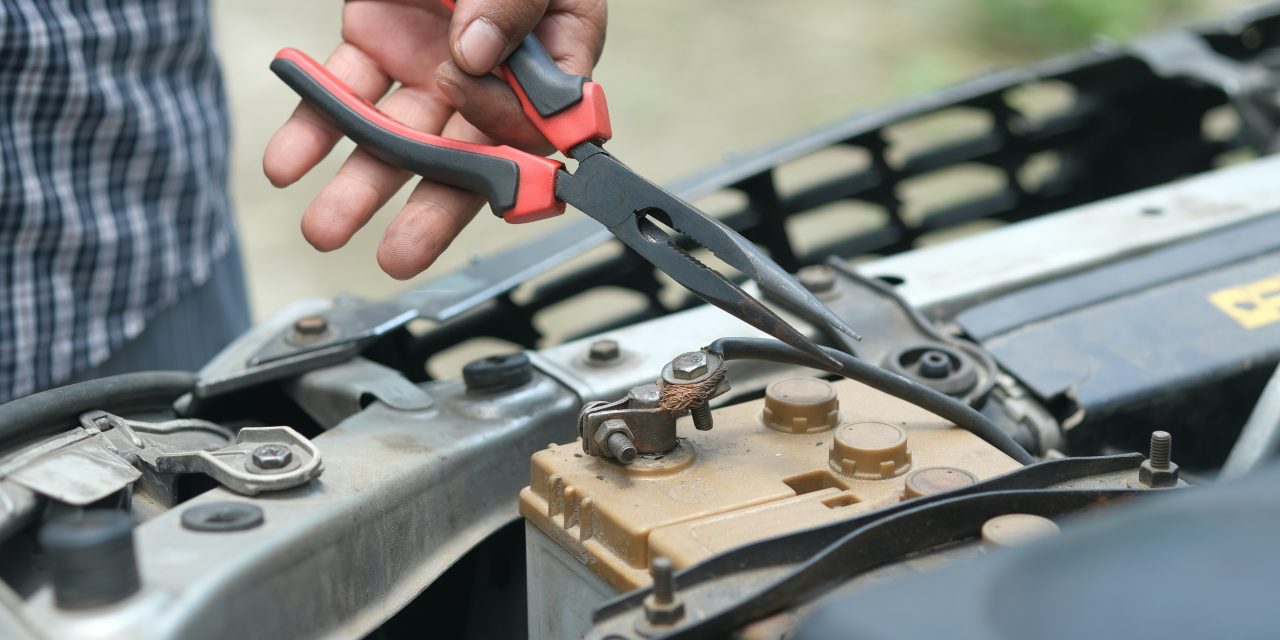
Before embarking on the task of disconnecting your car battery, it is crucial to gather the appropriate tools and safety gear. Essential tools include a wrench or socket set, typically in the 10mm size range, which is commonly used for battery terminals. Additionally, having a pair of insulated gloves can provide an extra layer of protection against accidental contact with live terminals or corrosive battery acid.
Safety gear should not be overlooked. Protective eyewear is vital to shield your eyes from potential splashes of battery acid or debris that may arise during disconnection. A face mask can also be beneficial in preventing inhalation of harmful fumes. Furthermore, it is advisable to work in a well-ventilated area to mitigate the risk of inhaling any gases released from the battery. By assembling these tools and safety measures beforehand, you can ensure a smoother and safer disconnection process.
Preparing Your Vehicle for Battery Disconnection

Preparation is key when it comes to safely disconnecting your car battery. Begin by ensuring that your vehicle is parked on a flat surface with the engine turned off and the keys removed from the ignition. This step minimizes the risk of accidental starts or movement during the disconnection process. Engaging the parking brake is also essential to prevent any unintended rolling.
Next, it is advisable to turn off all electrical components within the vehicle, including headlights, interior lights, and any aftermarket accessories. This precaution helps reduce the load on the battery and minimizes the risk of electrical surges when disconnecting the terminals. Additionally, if your vehicle has an alarm system or onboard computer that requires a reset after battery disconnection, consult your owner’s manual for specific instructions to avoid complications later.
Locating the Car Battery and Identifying Terminals

Once your vehicle is adequately prepared, the next step involves locating the car battery and identifying its terminals. In most vehicles, the battery is situated in the engine compartment; however, some models may have it located in the trunk or under a seat. Familiarizing yourself with your vehicle’s layout will save time and effort during this process.
The battery terminals are typically marked with distinct symbols: a plus sign (+) for the positive terminal and a minus sign (−) for the negative terminal. It is crucial to correctly identify these terminals before proceeding with disconnection. The positive terminal usually has a red cover or cable, while the negative terminal is often black. Misidentifying these terminals can lead to severe electrical issues or even damage to your vehicle’s electrical system.
When it comes to maintaining your vehicle, knowing how to disconnect a car battery safely is essential for preventing electrical shocks and ensuring your safety. For a comprehensive guide on this topic, you can refer to a related article that provides step-by-step instructions and helpful tips. Additionally, if you’re interested in enhancing your living space, you might find inspiration in this article on stunning plant terrarium ideas that can add a touch of greenery to your home while you work on your car maintenance tasks.
Disconnecting the Negative Terminal First: Why It Matters
When it comes to disconnecting your car battery, always start with the negative terminal. This practice is rooted in safety and functionality. The negative terminal is connected to the vehicle’s chassis ground, meaning that it serves as a return path for electrical current. By disconnecting this terminal first, you effectively eliminate any risk of creating a short circuit if your tool accidentally contacts any metal part of the vehicle while working on the positive terminal.
Moreover, disconnecting the negative terminal first helps prevent potential sparks that could ignite hydrogen gas emitted from the battery during disconnection. This gas is highly flammable and poses a significant explosion risk if ignited by an electrical spark. Therefore, prioritizing this step not only enhances personal safety but also protects your vehicle’s electrical components from damage.
Safely Removing the Positive Terminal Without Causing Damage
After successfully disconnecting the negative terminal, you can proceed to remove the positive terminal. It is essential to handle this step with care to avoid damaging both the terminal and cable connections. Begin by loosening the positive terminal clamp using your wrench or socket set until it is free from the battery post.
Once loosened, gently wiggle and pull the terminal away from the battery post without applying excessive force. If you encounter resistance, double-check that it is adequately loosened before attempting to remove it again. Avoid using metal tools that could inadvertently touch both terminals simultaneously, as this could create a short circuit and lead to severe consequences.
Securing the Disconnected Battery to Prevent Accidental Contact
With both terminals disconnected, securing the battery is crucial to prevent accidental contact with metal objects or tools that could lead to short circuits. One effective method is to cover each terminal with non-conductive materials such as rubber caps or electrical tape. This precaution ensures that no conductive materials come into contact with exposed terminals while you work on other components of your vehicle.
Additionally, if you plan on storing or transporting the battery, consider placing it in an upright position within a sturdy container designed for battery storage. This practice minimizes movement and reduces the risk of damage during transit while also preventing leakage of corrosive materials.
Tips for Handling and Storing Your Car Battery Properly
Proper handling and storage of your car battery are essential for maintaining its longevity and performance. When handling batteries, always wear protective gloves and eyewear to safeguard against potential acid spills or leaks. Avoid placing metal objects near batteries to prevent accidental short circuits.
When storing a car battery for an extended period, ensure it is kept in a cool, dry location away from direct sunlight and extreme temperatures. Extreme heat can accelerate battery degradation, while cold temperatures can reduce its efficiency. Regularly check stored batteries for signs of corrosion or leakage and maintain them by keeping them charged periodically.
Reconnecting Your Battery: Steps to Follow When Ready
Once you are ready to reconnect your car battery after maintenance or repairs, follow a systematic approach to ensure safety and functionality. Begin by connecting the positive terminal first; this step is crucial as it prevents accidental grounding when reattaching cables.
Carefully position the positive terminal back onto its corresponding post and tighten it securely using your wrench or socket set. Afterward, proceed to connect the negative terminal in a similar manner. Ensure both connections are tight but avoid overtightening, which could damage terminals or cables.
After reconnecting both terminals, double-check that all tools have been removed from the engine compartment before starting your vehicle. It’s advisable to turn on electrical components one at a time to monitor for any irregularities in performance.
Common Mistakes to Avoid When Disconnecting Your Car Battery
Several common mistakes can occur during battery disconnection that may lead to complications or hazards. One prevalent error is neglecting to disconnect the negative terminal first; this oversight can result in dangerous sparks or short circuits when working on other components.
Another mistake involves using improper tools or excessive force when loosening terminals; this can lead to stripped bolts or damaged cables that compromise electrical connections. Additionally, failing to secure disconnected terminals can result in accidental contact with conductive materials.
Lastly, overlooking safety precautions such as wearing protective gear can expose individuals to unnecessary risks during disconnection processes. By being aware of these pitfalls and taking proactive measures, you can ensure a safer experience when handling your car battery.
When to Seek Professional Help for Battery Maintenance and Replacement
While many vehicle owners can successfully disconnect and reconnect their batteries independently, certain situations warrant professional assistance. If you encounter persistent issues such as difficulty starting your vehicle despite a fully charged battery or signs of corrosion around terminals that cannot be cleaned effectively, consulting a qualified mechanic may be necessary.
Additionally, if you are unsure about any aspect of battery maintenance or replacement due to unfamiliarity with your vehicle’s electrical system, seeking professional guidance can prevent costly mistakes or damage. Mechanics possess specialized knowledge and tools that enable them to diagnose underlying issues accurately and provide appropriate solutions.
In conclusion, understanding how to safely disconnect your car battery is an essential skill for any vehicle owner. By following proper procedures and utilizing appropriate tools and safety gear, you can ensure both personal safety and vehicle integrity during maintenance tasks. Remember always to prioritize safety by disconnecting terminals in the correct order and securing them properly afterward. Should complications arise beyond your expertise, do not hesitate to seek professional assistance for optimal results in maintaining your vehicle’s electrical system.
FAQs
What tools do I need to disconnect a car battery safely?
To disconnect a car battery safely, you will need a few basic tools: a pair of insulated gloves to protect your hands, safety goggles to shield your eyes, and a wrench or socket set to loosen the battery terminals. It’s also helpful to have a battery terminal cleaner or brush to remove any corrosion.
Which terminal should I disconnect first?
When disconnecting a car battery, you should always disconnect the negative terminal first. This reduces the risk of a short circuit and helps prevent sparks. After the negative terminal is disconnected, you can safely remove the positive terminal.
How do I identify the positive and negative terminals on a car battery?
The positive terminal is usually marked with a plus sign (+) and is often colored red, while the negative terminal is marked with a minus sign (-) and is typically colored black. Additionally, the positive terminal may have a larger diameter than the negative terminal.
What precautions should I take before disconnecting the battery?
Before disconnecting the battery, ensure that the vehicle is turned off and the keys are removed from the ignition. It’s also advisable to wear protective gear, such as gloves and goggles, to prevent injury from battery acid or accidental sparks. Make sure to work in a well-ventilated area to avoid inhaling any harmful gases.
Can I disconnect the battery while the engine is running?
No, you should never disconnect the battery while the engine is running. Doing so can cause a voltage spike that may damage the vehicle’s electrical system and components. Always ensure the engine is off before attempting to disconnect the battery.