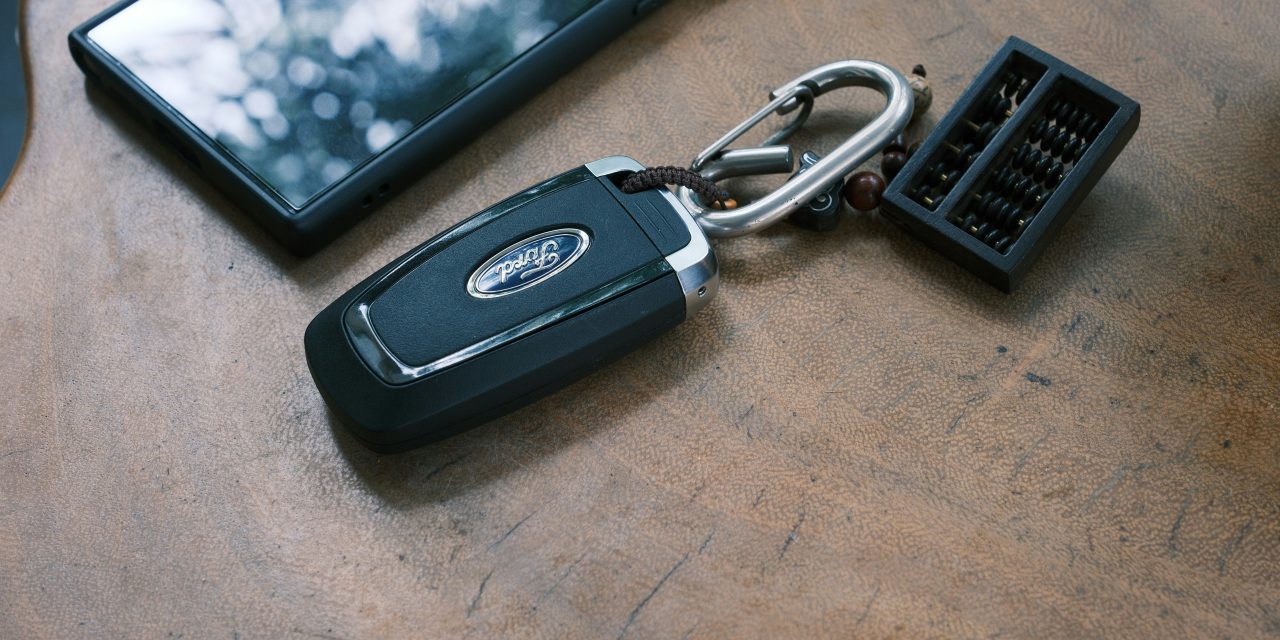
The key fob is an essential component of modern automotive technology, providing convenience and security for vehicle owners. However, one of the most common issues that can arise with key fobs is battery depletion. Typically, key fob batteries have a lifespan ranging from two to five years, depending on usage and environmental factors. When the battery begins to fail, the key fob may exhibit symptoms such as reduced range, intermittent functionality, or complete failure to operate.
To address this issue, the first step is to check the battery. Most key fobs can be opened easily with a small flathead screwdriver or a similar tool. Once opened, you can visually inspect the battery for any signs of corrosion or damage. If the battery appears to be dead or weak, replacing it with a new one is straightforward. Ensure that you use the correct type of battery, typically a CR2032 or CR2025 lithium coin cell, as specified in your vehicle’s owner manual. After replacing the battery, test the key fob to confirm that it functions correctly.
When your key fob stops working, it can be quite frustrating, but there are several troubleshooting steps you can take to resolve the issue. First, check the battery and replace it if necessary, as a dead battery is often the culprit. If that doesn’t work, try reprogramming the fob according to your vehicle’s manual. For more tips on maintaining your home and tackling stubborn dirt, you might find this article on cleaning baseboards helpful: How to Clean Baseboards and Remove Stubborn Dirt Buildup.
Reprogram Your Key Fob
If replacing the battery does not resolve the issue, reprogramming the key fob may be necessary. Key fobs often require synchronization with the vehicle’s onboard computer system to function properly. This process can vary significantly between different makes and models of vehicles. In many cases, reprogramming can be accomplished by following a series of steps outlined in the owner’s manual.
Typically, this involves inserting the key into the ignition and turning it to the “On” position without starting the engine. Then, you may need to press specific buttons on the key fob in a particular sequence. Some vehicles may require you to perform this process multiple times or even use a diagnostic tool to reset the key fob’s programming. If you are unsure about how to proceed, consulting your vehicle’s manual or seeking assistance from a professional can ensure that the reprogramming is done correctly.
Clean the Key Fob Contacts

Over time, dirt and debris can accumulate on the contacts of a key fob, leading to poor connectivity and malfunctioning buttons. Cleaning these contacts is a simple yet effective way to restore functionality. Begin by carefully opening the key fob and removing the battery. Use a soft cloth or cotton swab lightly moistened with isopropyl alcohol to gently clean the metal contacts inside the fob.
Ensure that no moisture remains before reassembling the key fob and reinserting the battery. This cleaning process can eliminate any residue that may be interfering with the electrical connections, thereby improving performance. Regular maintenance of your key fob can prolong its lifespan and prevent future issues.
Inspect for Physical Damage

Physical damage to a key fob can manifest in various forms, including cracks, broken buttons, or internal component failure. Such damage can severely impact the functionality of the device. A thorough inspection should be conducted to identify any visible signs of wear and tear. If you notice any cracks or broken parts, it may be necessary to replace the entire key fob.
In some cases, minor repairs can be made if only specific components are damaged. For instance, if a button is stuck or unresponsive due to physical obstruction, carefully cleaning around that area may restore its functionality. However, if internal components are damaged beyond repair, purchasing a new key fob may be the most viable solution.
If you find yourself in a situation where your key fob stops working, it can be quite frustrating. There are several troubleshooting steps you can take to resolve the issue, such as checking the battery or ensuring that there are no obstructions interfering with the signal. For more detailed guidance on handling similar everyday challenges, you might find this article on the benefits of proper care for your pets’ health particularly interesting. It highlights how proper nutrition can prevent various issues, much like how regular maintenance can keep your key fob functioning smoothly. You can read more about it here.
Test the Key Fob Signal with a Spare
If you have access to a spare key fob, testing its signal can help determine whether the issue lies with the original fob or the vehicle itself. By using a spare key fob, you can quickly ascertain if your vehicle responds correctly when using an alternative device. If the spare functions without issue, it indicates that your primary key fob may require repair or replacement.
Conversely, if neither key fob works effectively, it could suggest a problem with your vehicle’s receiver system or security features. In such cases, further investigation into potential electrical issues within your car may be warranted.
If you find yourself in a situation where your key fob stops working, it can be quite frustrating, but there are several steps you can take to troubleshoot the issue. First, check the battery and replace it if necessary, as a dead battery is often the culprit. Additionally, ensure that there are no obstructions between the fob and the vehicle’s receiver. For more tips on handling everyday challenges, you might find this article on easy meals for busy families helpful, as it offers practical solutions for quick dinners. You can read it here.
Reset Your Car’s Security System
Sometimes, issues with a key fob can stem from malfunctions within your vehicle’s security system rather than problems with the fob itself. Resetting your car’s security system can often resolve these conflicts and restore proper functionality to your key fob. The reset process varies by manufacturer but typically involves disconnecting and reconnecting the vehicle’s battery.
Before proceeding with this method, consult your owner’s manual for specific instructions tailored to your vehicle model. After resetting the security system, test your key fob again to see if it operates correctly.
Verify the Key Fob is Within Range
Key fobs operate using radio frequency signals that have a limited range. If you find that your key fob is not functioning as expected, one potential issue could be that you are outside its operational range. Most key fobs have an effective range of approximately 30 feet from the vehicle; however, this distance can vary based on environmental factors such as obstacles or interference from other electronic devices.
To verify this, try standing closer to your vehicle while pressing the buttons on your key fob. If it works at close range but not further away, it may indicate that you need to replace the battery or that there are other underlying issues affecting signal strength.
Replace the Key Fob Circuit Board
If all previous troubleshooting steps fail to resolve the issue, it may be necessary to replace the circuit board within your key fob. The circuit board houses essential electronic components responsible for transmitting signals between your key fob and vehicle. Over time, these components can wear out or become damaged due to exposure to moisture or physical stress.
Replacing a circuit board typically requires technical expertise and specialized tools; therefore, it is advisable to consult with a professional locksmith or automotive technician who specializes in electronic key systems. They can assess whether a circuit board replacement is feasible and provide guidance on obtaining compatible parts.
Check for Interference from Other Devices
Interference from other electronic devices can disrupt communication between your key fob and vehicle. Common sources of interference include nearby wireless devices such as smartphones, Wi-Fi routers, or even other vehicles equipped with similar technology. If you suspect interference is affecting your key fob’s performance, try moving away from potential sources of disruption and testing your key fob again.
Additionally, consider whether any recent changes in your environment could have introduced new sources of interference. If you consistently experience issues in specific locations but not others, this could indicate an interference problem rather than a malfunctioning key fob.
Consult Your Vehicle’s Owner Manual
Your vehicle’s owner manual is an invaluable resource when troubleshooting issues related to your key fob. It contains specific information regarding programming procedures, battery specifications, and troubleshooting tips tailored to your make and model. By consulting this manual, you can gain insights into potential solutions that may not be widely known.
If you encounter difficulties understanding certain instructions or procedures outlined in the manual, consider reaching out to customer support for your vehicle manufacturer or visiting online forums dedicated to automotive troubleshooting for additional guidance.
Visit a Professional Locksmith or Dealer
If all else fails and you are unable to resolve issues with your key fob independently, visiting a professional locksmith or authorized dealer is advisable. These experts possess specialized knowledge and tools necessary for diagnosing complex problems related to automotive electronic systems.
A professional locksmith can provide services such as reprogramming or repairing your existing key fob or creating a new one if needed. Authorized dealers often have access to manufacturer-specific resources that can expedite repairs and ensure compatibility with your vehicle’s systems.
In conclusion, addressing issues with a malfunctioning key fob involves several steps ranging from simple battery replacements to more complex reprogramming and repairs. By systematically checking each potential problem area—such as battery life, physical damage, signal interference, and security system resets—you can effectively troubleshoot and resolve most issues independently.
For persistent problems requiring professional intervention, consulting with an automotive locksmith or dealer ensures that you receive expert assistance tailored specifically to your vehicle’s needs.
**FAQ Section**
1. **How often should I replace my key fob battery?**
– It is recommended to replace your key fob battery every two to five years depending on usage frequency.
2. **Can I reprogram my key fob myself?**
– Yes, many vehicles allow owners to reprogram their key fobs by following specific steps outlined in their owner’s manual.
3. **What type of battery does my key fob use?**
– Most commonly used batteries are CR2032 or CR2025 lithium coin cells; however, always check your owner’s manual for specifics.
4. **What should I do if my key fob is physically damaged?**
– Inspect for visible damage; if severe, consider replacing it entirely or consulting a professional for repairs.
5. **How do I know if my car’s security system needs resetting?**
– If multiple key fobs fail to operate correctly despite having fresh batteries and no visible damage, resetting may be necessary.
6. **Can other electronic devices interfere with my key fob?**
– Yes, devices like smartphones and Wi-Fi routers can cause interference; testing in different locations may help identify this issue.
7. **Is it worth visiting a professional locksmith?**
– If troubleshooting fails or if you require specialized services like programming or repairs beyond basic maintenance, visiting a locksmith is advisable.
8. **What if my spare key fob also doesn’t work?**
– This could indicate an issue with your vehicle’s receiver system; further investigation may be required.
9. **How do I clean my key fob contacts?**
– Use a soft cloth or cotton swab moistened with isopropyl alcohol to gently clean contacts after removing the battery.
10. **What should I do if I lose my only key fob?**
– Contact a professional locksmith or dealership immediately; they can assist in creating a new one based on your vehicle’s specifications.
In summary, maintaining optimal functionality of your vehicle’s key fob involves regular checks and proactive measures such as battery replacements and cleaning contacts. Should complications arise beyond basic troubleshooting capabilities, seeking professional assistance ensures effective resolution while safeguarding your vehicle’s security features.
FAQs
What are the common reasons for a key fob to stop working?
Common reasons for a key fob to stop working include a dead battery, physical damage to the fob, interference from other electronic devices, or issues with the vehicle’s receiver. Additionally, if the fob has not been used for an extended period, it may require reprogramming.
How can I check if the battery in my key fob is dead?
You can check if the battery is dead by using a spare key fob, if available, to see if it works. Alternatively, you can try replacing the battery in the non-working fob with a new one. If the fob functions after the battery replacement, then the battery was the issue.
What should I do if my key fob is physically damaged?
If your key fob is physically damaged, you should assess the extent of the damage. If it is minor, you may be able to repair it by replacing the casing or components. However, if the damage is severe, it is advisable to contact your vehicle manufacturer or a locksmith for a replacement fob.
Can I reprogram my key fob myself?
In some cases, you can reprogram your key fob yourself by following the specific instructions provided in your vehicle’s owner manual. However, the process varies by make and model, and some vehicles may require professional reprogramming at a dealership or locksmith.
What should I do if none of the troubleshooting steps work?
If none of the troubleshooting steps work, it is best to consult a professional. You can visit a dealership or a certified locksmith who specializes in automotive keys and key fobs. They can diagnose the issue and provide solutions, including reprogramming or replacing the fob.