The car battery serves as the heart of a vehicle’s electrical system, providing the necessary power to start the engine and operate various electrical components. Typically, a lead-acid battery, it stores energy in chemical form and converts it into electrical energy when needed. This energy is crucial not only for ignition but also for powering accessories such as lights, radios, and navigation systems. A well-functioning battery ensures that all electrical systems operate smoothly, contributing to overall vehicle performance and reliability.
Understanding the intricacies of a car battery is essential for any vehicle owner. The average lifespan of a car battery ranges from three to five years, depending on usage, climate, and maintenance practices. Factors such as extreme temperatures, frequent short trips, and lack of regular maintenance can significantly affect battery longevity. Therefore, recognizing the signs of a failing battery is vital for preventing unexpected breakdowns and costly repairs.
If you’re experiencing electrical problems in your vehicle, it’s essential to consider the condition of your car battery, as a bad battery can indeed lead to various electrical issues. For a deeper understanding of how battery health impacts your car’s electrical system, you might find this article helpful: Top 10 Pet Grooming Tips from Bark & Purr Pet Grooming Experts. While the article primarily focuses on pet grooming, it highlights the importance of maintenance and care, which can be paralleled to the upkeep of your vehicle’s battery and electrical components.
How a Bad Car Battery Impacts Your Vehicle’s Electrical System
A malfunctioning battery can wreak havoc on a vehicle’s electrical system. When the battery fails to deliver adequate voltage, it can lead to insufficient power supply to critical components. This deficiency can manifest in various ways, including erratic behavior of electrical accessories and diminished engine performance. The alternator, which is responsible for recharging the battery while the engine runs, may also become overworked in an attempt to compensate for the battery’s shortcomings.
Moreover, a bad battery can cause voltage fluctuations that may damage sensitive electronic components within the vehicle. Modern cars are equipped with numerous electronic systems that rely on stable voltage levels for optimal operation. A compromised battery can lead to issues such as blown fuses, malfunctioning sensors, and even complete system failures. Therefore, maintaining a healthy battery is crucial for preserving the integrity of the entire electrical system.
Sign 1: Difficulty Starting the Engine

One of the most common indicators of a failing car battery is difficulty starting the engine. When you turn the ignition key or press the start button, the battery should provide sufficient power to crank the engine. If you experience sluggish cranking or hear a clicking sound instead of the engine starting, it may signal that the battery is losing its ability to hold a charge. This symptom often becomes more pronounced in colder weather when batteries are less efficient.
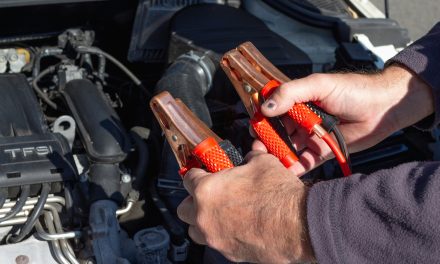
In some cases, you may find that your vehicle starts after several attempts or with assistance from jumper cables. However, relying on jump-starts is not a long-term solution and may indicate that your battery is nearing the end of its lifespan. If you encounter persistent starting issues, it is advisable to have your battery tested by a professional to determine its health and whether replacement is necessary.
Sign 2: Dim or Flickering Headlights

Another telltale sign of a failing battery is dim or flickering headlights. When you notice that your headlights are not illuminating as brightly as they should or are flickering while driving, it could indicate that your battery is struggling to provide adequate power. This symptom may be particularly noticeable when you engage other electrical components, such as turning on the air conditioning or using power windows.
Dim headlights not only compromise visibility but also pose safety risks while driving at night or in adverse weather conditions. If you observe this issue consistently, it is essential to investigate further. A thorough examination of both the battery and the alternator can help identify whether the problem lies with the battery’s ability to hold a charge or if there are other underlying electrical issues.
If you’re experiencing electrical problems in your vehicle, it might be worth considering whether a bad car battery is the culprit. A failing battery can lead to various issues, including dimming lights and malfunctioning electronics. For more insights on how to troubleshoot and maintain your vehicle’s electrical system, you can check out this informative article on identifying and cleaning mouse droppings safely, which also touches on the importance of keeping your car environment clean to prevent further complications.
Sign 3: Malfunctioning Dashboard Lights and Gauges
Dashboard lights and gauges serve as critical indicators of your vehicle’s operational status. If you notice that these indicators are malfunctioning—such as flickering warning lights or gauges that fail to respond—it may be a sign of an underlying battery issue. A weak battery can lead to inconsistent voltage levels, causing erratic behavior in dashboard displays.
In modern vehicles equipped with advanced electronic systems, dashboard malfunctions can also indicate communication errors between various components. A failing battery may disrupt these communications, leading to inaccurate readings or warning lights illuminating without cause. Regular monitoring of dashboard indicators is essential for early detection of potential problems related to the battery or other electrical systems.
If you’re experiencing electrical problems in your vehicle, it might be worth considering whether a bad car battery could be the culprit. A failing battery can lead to various issues, including dimming lights and malfunctioning electronics. For more insights on related automotive concerns, you can check out this article on quick and tasty weeknight meals, which provides helpful tips that can save you time and energy, allowing you to focus on getting your car back in shape.
Sign 4: Electrical Accessories Not Working Properly
A healthy car battery powers various electrical accessories within your vehicle, including power windows, locks, and infotainment systems. If you find that these accessories are functioning intermittently or not at all, it could be indicative of a failing battery. For instance, power windows may move slowly or become unresponsive altogether when the battery is weak.
Additionally, issues with infotainment systems—such as radio malfunctions or Bluetooth connectivity problems—can also stem from inadequate power supply due to a compromised battery. If multiple electrical accessories exhibit problems simultaneously, it is crucial to investigate the health of your car battery before assuming that individual components are at fault.
Sign 5: Frequent Stalling or Engine Misfires
Frequent stalling or engine misfires can be alarming symptoms that indicate deeper issues within your vehicle’s electrical system. A weak battery may struggle to provide consistent power to the ignition system, leading to misfires during acceleration or unexpected stalling while driving. These symptoms can compromise safety and overall driving experience.
If you experience stalling or misfires alongside other signs of battery failure—such as difficulty starting or dim headlights—it is essential to address these issues promptly. Ignoring these symptoms could lead to more severe engine problems down the line, resulting in costly repairs and potential safety hazards.
Sign 6: Warning Lights on the Dashboard
Modern vehicles are equipped with sophisticated onboard diagnostic systems that monitor various components’ performance. When there are issues with the battery or charging system, warning lights may illuminate on the dashboard. Common indicators include the check engine light and battery warning light.
If you notice these warning lights appearing frequently or remaining illuminated while driving, it is crucial to take action immediately. Ignoring these alerts can lead to further complications within your vehicle’s electrical system and may result in more extensive repairs if left unaddressed.
Sign 7: Corroded or Swollen Battery Terminals
Physical inspection of your car battery can reveal critical information about its health. Corroded or swollen terminals are clear indicators of potential problems. Corrosion often appears as a white, powdery substance around the terminals and can impede proper electrical connections between the battery and cables.
Swelling of the battery casing itself may indicate overcharging or internal damage due to excessive heat buildup. Both corrosion and swelling should be addressed promptly to prevent further deterioration of the battery and ensure reliable performance. Regular cleaning of terminals and monitoring for signs of swelling can help maintain optimal battery health.
Diagnosing Battery Issues: When to Test or Replace
Diagnosing battery issues requires careful observation of symptoms and proactive testing. If you notice any combination of signs mentioned earlier—such as difficulty starting, dim headlights, or dashboard malfunctions—it is advisable to have your battery tested by a qualified technician. Many auto parts stores offer free testing services that can determine whether your battery holds a sufficient charge.
If testing reveals that your battery is weak or nearing the end of its lifespan, replacement may be necessary. When selecting a new battery, consider factors such as size, type (lead-acid vs. AGM), and cold cranking amps (CCA) rating to ensure compatibility with your vehicle’s requirements.
Preventing Electrical Problems by Maintaining Your Battery
Maintaining your car battery is essential for preventing electrical problems and ensuring reliable vehicle performance. Regular inspections, cleaning terminals, and monitoring for signs of wear can extend your battery’s lifespan significantly. Additionally, practicing good driving habits—such as avoiding short trips that prevent full charging—can contribute to overall battery health.
In conclusion, understanding the role of your car battery and recognizing signs of failure are crucial steps in maintaining your vehicle’s electrical system. By being proactive about testing and replacing batteries when necessary, you can avoid unexpected breakdowns and ensure a safe driving experience for yourself and others on the road.
In summary, a car battery plays an integral role in powering your vehicle’s electrical systems. Recognizing signs of failure—such as difficulty starting the engine, dim headlights, malfunctioning dashboard lights, and corroded terminals—can help prevent more significant issues down the line. Regular maintenance and timely replacement are key strategies for ensuring optimal performance and longevity of your car’s electrical system.
FAQs
Can a bad car battery cause dimming headlights?
Yes, a bad car battery can cause dimming headlights. When the battery is weak or failing, it may not provide sufficient voltage to power the headlights effectively, leading to reduced brightness.
What electrical problems can arise from a failing battery?
A failing battery can lead to various electrical problems, including issues with starting the engine, malfunctioning dashboard lights, erratic behavior of electronic components, and problems with the vehicle’s audio system.
How can I tell if my car battery is causing electrical issues?
Signs that your car battery may be causing electrical issues include difficulty starting the engine, flickering lights, and inconsistent performance of electronic features like power windows and locks.
Can a bad battery affect the car’s charging system?
Yes, a bad battery can affect the car’s charging system. If the battery is unable to hold a charge, it can cause the alternator to work harder, potentially leading to further electrical problems and premature wear on the charging system components.
Is it safe to drive with a bad battery causing electrical problems?
It is not safe to drive with a bad battery causing electrical problems. Continuing to drive under these conditions can lead to complete battery failure, leaving you stranded, and may also cause damage to other electrical components in the vehicle.