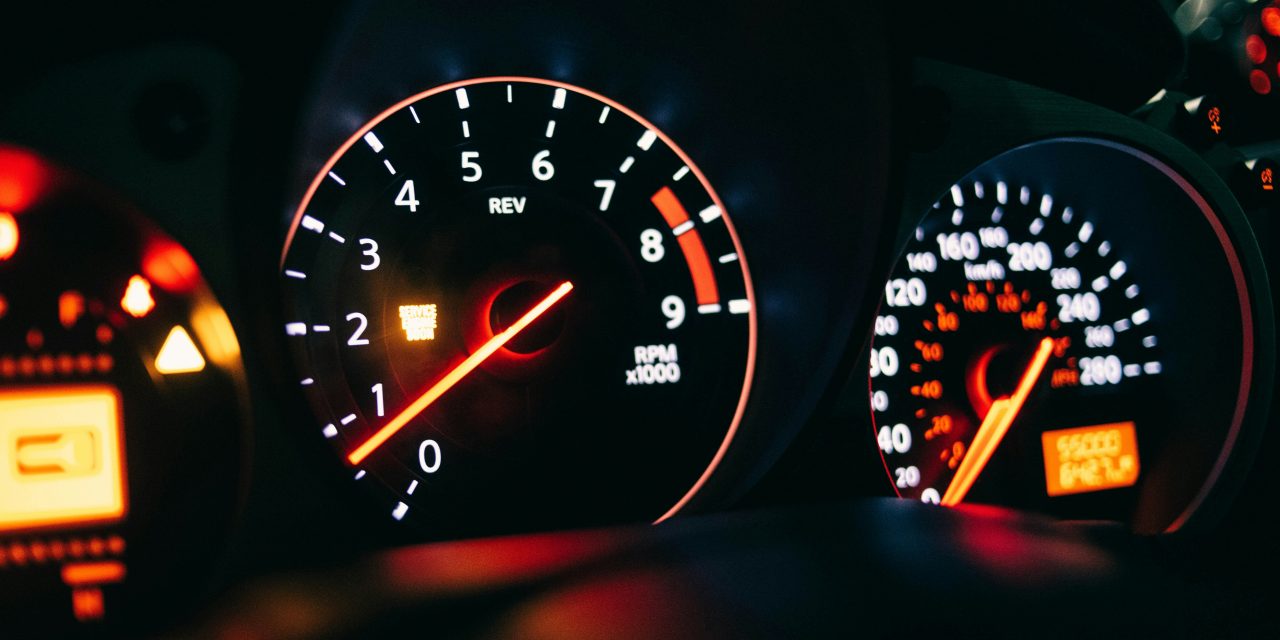
High mileage used cars are typically defined as vehicles that have surpassed the average annual mileage threshold, which is generally considered to be around 12,000 to 15,000 miles per year. Therefore, a car with over 100,000 miles on the odometer is often categorized as high mileage. However, this classification can vary based on the vehicle’s make, model, and overall condition. For instance, some vehicles are engineered for longevity and can perform reliably even with higher mileage, while others may experience significant wear and tear.
The perception of high mileage can also differ among consumers. Some buyers may view a car with 80,000 miles as high mileage, while others may consider anything over 120,000 miles to be in that category. Understanding what qualifies as high mileage is crucial for potential buyers, as it influences not only the price but also the expected lifespan and reliability of the vehicle.
When considering the purchase of a high mileage used car, it’s essential to weigh the potential risks and benefits carefully. Many buyers wonder if such a decision could lead to costly repairs down the line. For those interested in exploring this topic further, a related article can provide valuable insights into the pros and cons of buying high mileage vehicles. You can read more about it in this informative piece: here.
Common Concerns About Buying High Mileage Vehicles
When considering the purchase of a high mileage vehicle, several concerns often arise among potential buyers. One of the primary apprehensions is the potential for mechanical failure. As vehicles age and accumulate miles, components such as the engine, transmission, and suspension systems may begin to deteriorate. This can lead to costly repairs and unexpected breakdowns, which can be particularly daunting for budget-conscious consumers.
Another common concern is the vehicle’s overall reliability. High mileage cars may have a history of previous ownership that includes inconsistent maintenance or harsh driving conditions. Buyers often worry about hidden issues that may not be immediately apparent during a test drive or visual inspection. Additionally, there is the fear of diminished resale value; high mileage vehicles typically depreciate faster than their lower mileage counterparts, which can impact future financial decisions.
The Pros of Purchasing a High Mileage Used Car

Despite the concerns associated with high mileage vehicles, there are several compelling advantages to consider. One of the most significant benefits is cost savings. High mileage cars are generally priced lower than their low mileage counterparts, making them an attractive option for budget-conscious buyers. This affordability allows consumers to access higher-end models or features that may otherwise be out of reach.
Moreover, many high mileage vehicles have already undergone significant depreciation. This means that buyers can often find a reliable car at a fraction of its original price. Additionally, if the vehicle has been well-maintained, it may still have plenty of life left in it. Many manufacturers produce cars designed to last well beyond 100,000 miles, especially those known for their durability and reliability.
The Cons of Buying a High Mileage Used Car

While there are advantages to purchasing high mileage vehicles, there are also notable drawbacks that potential buyers should consider. One major con is the increased likelihood of mechanical issues. As mentioned earlier, components wear down over time, and high mileage cars may require more frequent repairs and maintenance. This can lead to unexpected expenses that can quickly add up.
Another disadvantage is the limited warranty coverage that often accompanies high mileage vehicles. Many manufacturers offer warranties that expire after a certain number of miles or years, leaving buyers with little recourse if significant issues arise shortly after purchase. Furthermore, high mileage cars may lack modern safety features and technology found in newer models, which can impact both safety and driving experience.
When considering the purchase of a high mileage used car, it’s important to weigh the potential risks and benefits carefully. Many buyers wonder if such a decision could lead to costly repairs down the line. For those interested in maintaining their investments, a related article discusses practical strategies for protecting your assets, much like how one would keep pests out of their home. You can read more about it in this insightful piece on keeping pests out of your home, which highlights the importance of preventive measures in various aspects of life.
How to Assess the Condition Beyond the Odometer
When evaluating a high mileage vehicle, it is essential to look beyond just the odometer reading. A thorough inspection should include assessing the vehicle’s exterior and interior condition. Look for signs of rust, dents, or paint inconsistencies that could indicate previous accidents or poor maintenance. Additionally, check for wear on tires and brakes, as these components can provide insight into how well the car has been cared for.
Under the hood, examine the engine for leaks or corrosion and listen for unusual noises during startup or idle. A test drive is crucial; pay attention to how the car handles, accelerates, and brakes. Listen for any strange sounds or vibrations that could signal underlying issues. Finally, consider having a trusted mechanic conduct a pre-purchase inspection to identify any potential problems that may not be visible during a casual assessment.
When considering the purchase of a high mileage used car, it’s essential to weigh the potential risks and benefits carefully. Many buyers wonder if such a decision could lead to costly repairs down the line. For a deeper understanding of the implications of buying a used vehicle, you might find this article on maintaining your investment particularly insightful, as it discusses the importance of regular upkeep and how it can affect the longevity of your car.
Importance of Vehicle Maintenance History
A comprehensive vehicle maintenance history is invaluable when considering a high mileage used car. This documentation provides insight into how well the vehicle has been cared for throughout its life. Regular oil changes, fluid replacements, and scheduled maintenance are indicators of responsible ownership and can significantly impact the vehicle’s longevity.
When reviewing maintenance records, look for consistent service intervals and any major repairs that have been performed. A well-documented history can alleviate concerns about potential mechanical failures and provide reassurance regarding the vehicle’s reliability. If possible, obtain a vehicle history report to check for any accidents or title issues that could affect your decision.
Popular High Mileage Car Models Known for Reliability
Certain car models have earned reputations for their durability and ability to withstand high mileage without significant issues. Brands such as Toyota and Honda are frequently cited as leaders in this category due to their engineering quality and reliability ratings. Models like the Toyota Camry and Honda Accord have been known to exceed 200,000 miles with proper maintenance.
Other notable mentions include Subaru models like the Outback and Legacy, which are praised for their all-wheel-drive capabilities and longevity. Additionally, Ford’s F-150 truck has a loyal following among those seeking a reliable workhorse capable of handling high mileage without compromising performance.
When weighing the financial implications of purchasing a high mileage vehicle, it is essential to consider both immediate cost savings and potential long-term repair expenses. The initial purchase price of a high mileage car is typically lower than that of a new or low mileage vehicle, allowing buyers to allocate funds toward other priorities such as insurance or upgrades.
However, potential repair costs must also be factored into the equation. High mileage vehicles may require more frequent maintenance and repairs due to wear and tear on components. It is advisable to set aside a budget for unexpected repairs and routine maintenance to ensure that you are financially prepared for any issues that may arise.
Tips for Inspecting and Test Driving High Mileage Cars
When inspecting and test driving high mileage vehicles, there are several key tips to keep in mind to ensure you make an informed decision. First, conduct a thorough visual inspection of both the exterior and interior for signs of damage or neglect. Look closely at tire tread depth and brake pad wear; these components can indicate how well the car has been maintained.
During the test drive, pay attention to how the vehicle accelerates and brakes; any hesitation or unusual noises could signal underlying problems. Test various driving conditions—such as highway speeds and stop-and-go traffic—to assess performance comprehensively. Finally, consider bringing along a trusted mechanic who can provide expert insight into any potential issues that may not be immediately apparent.
When to Avoid Buying a High Mileage Vehicle
While many high mileage vehicles can be reliable options, there are specific circumstances under which it may be wise to avoid purchasing one altogether. If the vehicle has been involved in multiple accidents or has a history of significant repairs—such as engine replacements or transmission work—these red flags should raise concerns about its overall reliability.
Additionally, if you notice signs of neglect during your inspection—such as excessive rust or poorly maintained interiors—it may indicate that previous owners did not prioritize care for the vehicle. Lastly, if you plan on using the car for long commutes or rely heavily on it for daily transportation needs, opting for a low mileage vehicle may provide greater peace of mind regarding reliability.
Making an Informed Decision: Is a High Mileage Car Right for You?
Ultimately, deciding whether a high mileage vehicle is right for you depends on your individual needs and circumstances. If you are budget-conscious and willing to invest time in thorough inspections and research, purchasing a high mileage car can yield significant savings while still providing reliable transportation.
However, if you prioritize peace of mind regarding reliability or plan on using your vehicle extensively for commuting or family needs, it may be worth considering newer models with lower mileage. Assess your lifestyle requirements alongside your financial situation to determine whether investing in a high mileage vehicle aligns with your goals.
In summary, understanding high mileage used cars involves recognizing what qualifies as high mileage and weighing both pros and cons associated with such purchases. While concerns about mechanical issues and reliability exist, significant cost savings can make these vehicles appealing options for budget-conscious buyers willing to conduct thorough assessments before making a decision.
FAQs
What is considered high mileage for a used car?
High mileage for a used car is typically considered to be over 100,000 miles. However, this can vary depending on the make and model of the vehicle, as some cars are built to last longer than others. It’s important to consider the car’s maintenance history and overall condition in addition to mileage.
Are high mileage cars more prone to mechanical issues?
Yes, high mileage cars can be more prone to mechanical issues due to wear and tear on components. As a vehicle ages and accumulates miles, parts such as the engine, transmission, and suspension may experience increased stress and may require repairs or replacements. Regular maintenance can help mitigate some of these risks.
What are the benefits of buying a high mileage used car?
Buying a high mileage used car can offer several benefits, including lower purchase prices compared to low mileage vehicles. Additionally, many high mileage cars have already undergone significant depreciation, meaning buyers can often find good deals. If the car has been well-maintained, it can still provide reliable transportation for years to come.
How can I assess the condition of a high mileage used car?
To assess the condition of a high mileage used car, it’s essential to conduct a thorough inspection. Check the vehicle’s maintenance records, look for signs of wear and tear, and consider having a trusted mechanic perform a pre-purchase inspection. Additionally, reviewing the vehicle history report can provide insights into past accidents or issues.
Is it worth buying a high mileage used car from a reputable dealer?
Yes, buying a high mileage used car from a reputable dealer can be worth it, especially if the dealer provides a warranty or guarantees the vehicle’s condition. Reputable dealers often conduct thorough inspections and repairs on their vehicles, which can give buyers added peace of mind. However, it’s still important to do your own research and due diligence.