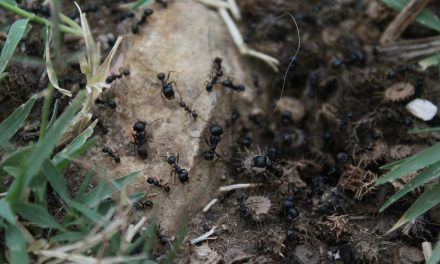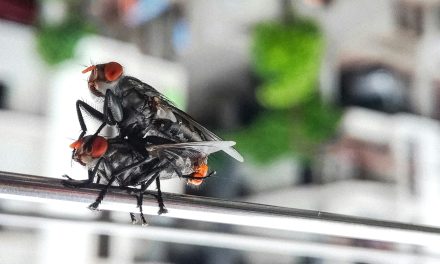
Household pests are a significant concern for homeowners, as they can cause damage to property, contaminate food, and pose health risks. Common pests include rodents such as mice and rats, insects like cockroaches, ants, and termites, as well as arachnids such as spiders. Each of these pests has unique behaviors and habitats that make them particularly adept at infiltrating homes. For instance, rodents are known for their ability to squeeze through small openings, while insects often enter through cracks and crevices in walls or foundations.
Understanding the biology and behavior of these pests is crucial for effective management. Rodents reproduce rapidly, with a single pair capable of producing up to 200 offspring in a year under optimal conditions. Cockroaches can survive for weeks without food and are known to thrive in warm, humid environments. Termites, on the other hand, can cause extensive structural damage by feeding on wood and cellulose materials. Recognizing these characteristics helps homeowners take proactive measures to prevent infestations before they escalate.
Identifying Entry Points and Sealing Them
To effectively combat household pests, it is essential to identify potential entry points around the home. Common areas where pests gain access include gaps around windows and doors, cracks in the foundation, and openings around utility lines. Conducting a thorough inspection of the property can reveal these vulnerabilities. Homeowners should pay particular attention to areas where different building materials meet, as these joints can often be compromised.
Once entry points are identified, sealing them is the next critical step. Utilizing caulk or expanding foam can effectively close gaps and cracks. Weather stripping can be applied to doors and windows to create a tighter seal. Additionally, installing door sweeps can prevent pests from entering through the bottom of doors. By fortifying these entry points, homeowners can significantly reduce the likelihood of pest invasions.
Maintaining Cleanliness to Deter Pests

A clean home is less attractive to pests, making regular cleaning an essential component of pest prevention. Maintaining cleanliness involves not only routine cleaning but also decluttering spaces where pests may hide or breed. Areas such as basements, attics, and garages should be kept organized and free of debris. Regular vacuuming and dusting can eliminate food particles and nesting materials that attract pests.
In addition to general cleanliness, specific attention should be paid to high-risk areas such as kitchens and dining spaces. Wiping down surfaces after meals, promptly cleaning spills, and ensuring that dishes are washed immediately can help deter pests from seeking food sources. Furthermore, disposing of garbage regularly and using sealed containers for waste can minimize odors that attract unwanted visitors.
Proper Food Storage Techniques

Proper food storage is vital in preventing pest infestations. Many household pests are attracted to food sources, so implementing effective storage techniques can significantly reduce their appeal. All food items should be stored in airtight containers made of glass or heavy-duty plastic to prevent access by insects and rodents. This includes not only pantry staples like grains and cereals but also pet food and snacks.
Additionally, it is essential to keep food storage areas organized and clean. Regularly checking expiration dates and discarding expired items can prevent pests from finding a food source. It is also advisable to store food items off the floor and away from walls to minimize the risk of pest access. By adopting these practices, homeowners can create an environment that is less conducive to pest infestations.
Using Natural Pest Repellents
Natural pest repellents offer an eco-friendly alternative to chemical pesticides for managing household pests. Essential oils such as peppermint, lavender, and tea tree oil have been shown to repel various insects due to their strong scents. Homeowners can create their own natural repellents by mixing essential oils with water in a spray bottle and applying them around entry points or areas where pests are commonly seen.
Another effective natural deterrent is diatomaceous earth, a fine powder made from fossilized algae that can be sprinkled in areas where pests are active. This substance works by dehydrating insects upon contact, making it an effective solution for controlling cockroaches, ants, and other crawling pests. Utilizing these natural methods not only helps manage pest populations but also reduces exposure to harmful chemicals within the home.
Incorporating Pest-Resistant Plants Around Your Home
Incorporating pest-resistant plants into landscaping can serve as a natural barrier against household pests. Certain plants possess properties that repel insects due to their scent or chemical composition. For example, marigolds are known to deter nematodes and aphids, while citronella grass is effective against mosquitoes. Planting these species around the perimeter of the home can create a protective buffer.
Additionally, herbs such as basil, mint, and rosemary not only enhance culinary experiences but also act as natural repellents for various pests. These plants can be strategically placed near windows or doorways to deter insects from entering the home. By integrating pest-resistant plants into landscaping designs, homeowners can enhance their outdoor spaces while simultaneously reducing the likelihood of pest infestations.
Managing Moisture and Fixing Leaks
Moisture control is a critical factor in preventing pest infestations, as many pests thrive in damp environments. Regularly inspecting plumbing fixtures for leaks and repairing any issues promptly can help eliminate standing water that attracts pests like cockroaches and termites. Additionally, ensuring proper drainage around the foundation of the home can prevent water accumulation that creates ideal breeding grounds for insects.
Using dehumidifiers in areas prone to humidity, such as basements or bathrooms, can further reduce moisture levels within the home. Ventilation is also essential; ensuring that attics and crawl spaces are adequately ventilated helps maintain dry conditions that deter pests. By managing moisture effectively, homeowners can create an inhospitable environment for many common household pests.
Regularly Inspecting and Maintaining Your Home’s Exterior
Regular inspections of the home’s exterior are crucial for identifying potential pest problems before they escalate into infestations. Homeowners should routinely check for signs of pest activity such as droppings, nests, or damage to wood structures caused by termites or carpenter ants. Additionally, inspecting gutters for clogs and ensuring that downspouts direct water away from the foundation can help prevent moisture-related issues.
Maintaining the exterior of the home involves trimming back vegetation that may provide shelter for pests and ensuring that mulch is kept at least 12 inches away from the foundation. Regularly painting or sealing wooden surfaces can protect against wood-destroying insects while also enhancing curb appeal. By prioritizing exterior maintenance, homeowners can significantly reduce their risk of pest invasions.
Employing Physical Barriers and Traps
Physical barriers and traps are effective tools for managing household pests without resorting to chemical treatments. Installing screens on windows and doors can prevent insects from entering while still allowing fresh air circulation. Additionally, using mesh covers on vents and chimneys can block entry points for rodents and larger pests.
Traps are another valuable method for controlling pest populations. Sticky traps can capture crawling insects like spiders and cockroaches, while snap traps are effective for rodents. It is essential to place traps strategically in areas where pest activity has been observed for maximum effectiveness. By employing these physical barriers and traps, homeowners can manage pest populations while minimizing chemical exposure.
When to Use Pesticides: Tips for Responsible Application
While many homeowners prefer natural methods for pest control, there are instances when pesticide application may be necessary for effective management. When using pesticides, it is crucial to select products specifically designed for the target pest while following label instructions carefully to ensure safe application. Homeowners should consider using baits rather than sprays whenever possible to minimize exposure to non-target organisms.
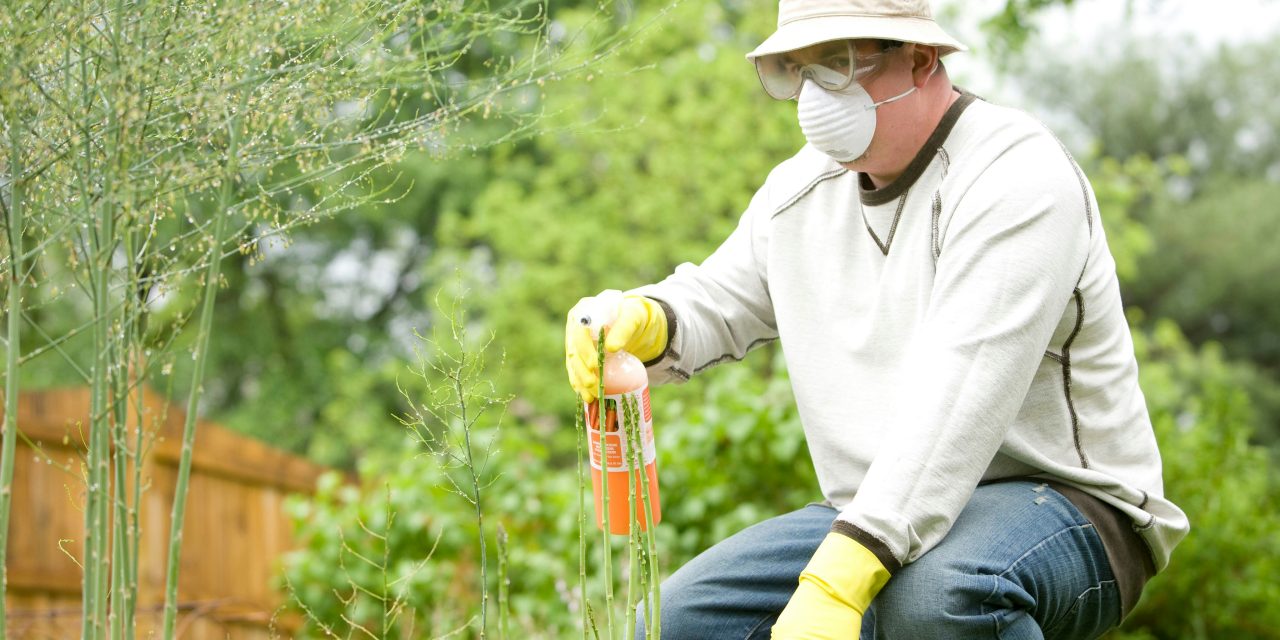
Timing is also important; applying pesticides during periods of low wind reduces the risk of drift onto non-target areas or plants. Additionally, wearing protective gear such as gloves and masks during application helps safeguard against potential health risks associated with chemical exposure. Responsible pesticide use involves understanding when intervention is necessary while prioritizing safety for both humans and pets.
Seeking Professional Pest Control Services When Necessary
In some cases, despite diligent preventive measures, pest infestations may still occur that require professional intervention. Pest control experts possess specialized knowledge and tools necessary for effectively managing severe infestations that may be beyond the capabilities of DIY methods. They conduct thorough inspections to identify the extent of the problem and develop tailored treatment plans based on specific pest species.
Professional services often utilize integrated pest management (IPM) strategies that combine multiple approaches for long-term control while minimizing environmental impact. This may include a combination of physical barriers, biological controls, and targeted pesticide applications when necessary. Engaging professional pest control services ensures that infestations are addressed promptly and effectively while providing peace of mind for homeowners.
In summary, understanding common household pests is crucial for effective management strategies that include identifying entry points, maintaining cleanliness, proper food storage techniques, using natural repellents, incorporating pest-resistant plants, managing moisture levels, conducting regular inspections, employing physical barriers and traps, responsible pesticide use when necessary, and seeking professional assistance when required. By implementing these comprehensive measures, homeowners can significantly reduce their risk of pest infestations while promoting a healthier living environment.
FAQs
What are some natural methods to deter pests from entering my home?
Natural methods to deter pests include using essential oils like peppermint or lavender, which can repel insects. Additionally, maintaining cleanliness by regularly vacuuming and wiping surfaces can help eliminate food sources. Sealing cracks and gaps in windows and doors can also prevent pests from entering.
How can I use plants to keep pests away?
Certain plants, such as marigolds, basil, and citronella, are known to repel pests. Planting these around your home or in your garden can create a natural barrier against insects. Additionally, herbs like rosemary and mint can be effective when placed near entry points.
What role does proper food storage play in pest prevention?
Proper food storage is crucial in pest prevention as it eliminates food sources that attract pests. Store food in airtight containers, keep pantry items organized, and regularly check for expired products. This practice not only helps keep pests away but also maintains food freshness.
Are there any DIY traps I can make to catch pests?
Yes, there are several DIY traps you can create. For example, a simple fruit fly trap can be made using a jar filled with apple cider vinegar covered with plastic wrap, with small holes poked in it. Similarly, a soap and water solution can be used to trap aphids and other small insects.
How important is regular home maintenance in pest control?
Regular home maintenance is vital for effective pest control. This includes routine inspections for signs of pests, repairing leaks, and ensuring proper drainage. Keeping your home well-maintained reduces the likelihood of pest infestations and helps identify potential issues before they escalate.