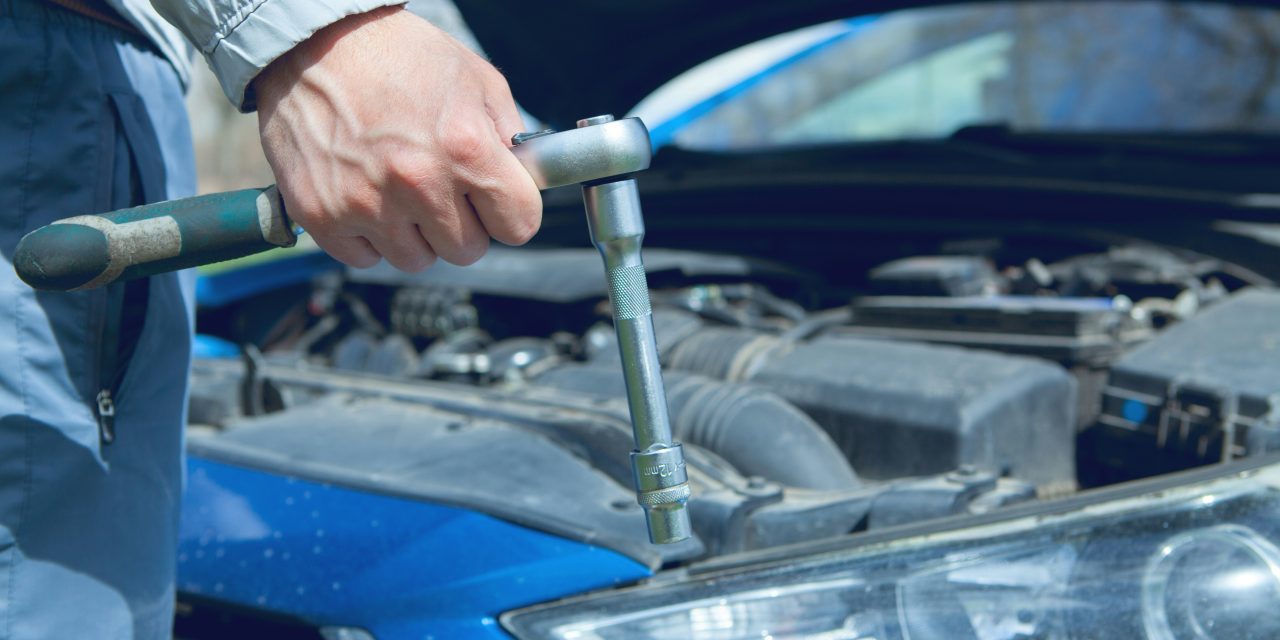
Infrequent driving presents a unique set of challenges that can significantly impact the longevity and performance of a vehicle. When a car is not driven regularly, various components can deteriorate due to lack of use. For instance, engine oil can become contaminated, tires may develop flat spots, and the battery can lose its charge. These issues can lead to costly repairs and decreased safety on the road. Understanding these challenges is crucial for any vehicle owner who may not drive their car frequently.
Moreover, the environmental conditions in which a vehicle is stored can exacerbate these problems. Humidity, temperature fluctuations, and exposure to sunlight can all contribute to the degradation of various automotive components. Therefore, it is essential to adopt a proactive approach to vehicle maintenance, even when driving is infrequent. By recognizing the potential pitfalls associated with limited use, car owners can implement strategies to mitigate these risks effectively.
If you own a car that is rarely driven, it’s essential to implement specific maintenance practices to keep it in good condition. Regular checks on the battery, tires, and fluids can prevent deterioration and ensure that your vehicle remains roadworthy when needed. For more comprehensive tips on maintaining your home and vehicles throughout the year, you can refer to this helpful article on seasonal maintenance tasks. Check it out here: Simple Home Maintenance Tasks Every Season.
Regularly Check and Change Engine Oil
Engine oil plays a vital role in lubricating the moving parts of an engine, reducing friction and preventing wear. For vehicles that are not driven often, it is imperative to check the oil level and quality regularly. Over time, engine oil can break down and lose its effectiveness due to oxidation and contamination from moisture and debris. This degradation can lead to increased engine wear and potential failure if not addressed promptly.
Changing the engine oil at recommended intervals is equally important, even if the vehicle has not been driven extensively. Most manufacturers suggest changing the oil every 3,000 to 5,000 miles or at least once a year, regardless of mileage. Using high-quality synthetic oil can provide additional protection against breakdown and sludge formation, ensuring that the engine remains in optimal condition. Regular oil changes not only enhance performance but also extend the lifespan of the engine.
Keep the Battery Charged and Maintained

A vehicle’s battery is one of its most critical components, providing the necessary power to start the engine and operate electrical systems. Infrequent driving can lead to battery discharge, as batteries naturally lose charge over time, especially if they are not regularly recharged through driving. To prevent battery failure, it is advisable to check the battery’s voltage periodically and ensure that it is adequately charged.
Using a battery maintainer or trickle charger can be an effective solution for those who do not drive often. These devices keep the battery at an optimal charge level without overcharging it, thus prolonging its lifespan. Additionally, inspecting battery terminals for corrosion and ensuring secure connections can prevent starting issues and electrical malfunctions. By maintaining the battery properly, vehicle owners can avoid unexpected breakdowns and ensure reliable performance.
Maintain Proper Tire Pressure and Condition

Tires are essential for safe driving, providing traction and stability on the road. Infrequent driving can lead to fluctuations in tire pressure due to natural air loss over time. Under-inflated tires can cause uneven wear, reduced fuel efficiency, and compromised handling. Therefore, it is crucial to check tire pressure regularly and inflate them to the manufacturer’s recommended levels.
In addition to monitoring pressure, inspecting tires for signs of wear or damage is vital. Look for tread depth using the penny test or a tread depth gauge; tires should have at least 2/32 inches of tread remaining for safe operation. Rotating tires every 5,000 to 7,500 miles helps ensure even wear across all tires. Furthermore, storing tires in a cool, dry place away from direct sunlight can prevent degradation of rubber compounds. By maintaining proper tire pressure and condition, vehicle owners can enhance safety and performance.
If you own a car that is rarely driven, it’s essential to understand how to keep it in good condition to avoid costly repairs in the future. Regular maintenance, such as checking the battery, tires, and fluids, can help ensure your vehicle remains roadworthy even when it’s not frequently used. For more tips on maintaining your car, you might find this article helpful, as it provides insights into best practices for infrequent drivers. Additionally, if you’re interested in creative ways to utilize your time while your car is parked, consider exploring some innovative gardening ideas for small spaces, which you can find in this related article.
Protect the Fuel System from Degradation
Fuel quality can deteriorate over time, especially in vehicles that are not driven frequently. Gasoline can break down and form varnish or gum deposits that clog fuel injectors and filters, leading to poor engine performance or starting issues. To protect the fuel system from degradation, it is advisable to use fuel stabilizers when storing a vehicle for an extended period.
Fuel stabilizers work by preventing oxidation and maintaining fuel quality during storage. They help keep fuel fresh for several months, allowing for smoother starts and better engine performance when the vehicle is eventually driven again. Additionally, filling up the gas tank before storage minimizes air space in the tank, reducing moisture accumulation that can lead to rust formation. By taking these precautions, vehicle owners can ensure their fuel system remains in optimal condition.
When it comes to maintaining a car that is rarely driven, it’s essential to consider various factors to keep it in good condition. Regular checks on the battery, tires, and fluids can prevent long-term damage. For more tips on caring for your vehicle, you might find this article on removing stains interesting, as it highlights the importance of addressing issues promptly, whether it’s a coffee spill or a car maintenance task. Taking proactive steps can ensure that your car remains reliable, even if it doesn’t see the road often.
Store the Car in a Suitable Environment
The environment in which a vehicle is stored plays a significant role in its overall condition. Exposure to harsh weather conditions such as extreme heat or cold can accelerate wear on various components. Ideally, vehicles should be stored in a climate-controlled garage or covered area that protects them from direct sunlight, rain, snow, and temperature fluctuations.
If indoor storage is not an option, using a high-quality car cover designed for outdoor use can provide adequate protection against environmental elements. Ensure that the cover fits snugly to prevent moisture accumulation underneath while allowing for breathability to avoid mold growth. Additionally, keeping the storage area clean and free from debris will help prevent scratches and damage to the vehicle’s exterior.
Run the Engine Periodically to Circulate Fluids
Running the engine periodically is an effective way to maintain various systems within a vehicle. When an engine runs, it circulates oil throughout its components, ensuring proper lubrication and preventing sludge buildup. Additionally, running the engine allows coolant to flow through the radiator and heater core, preventing corrosion and maintaining optimal operating temperatures.
It is recommended to run the engine for at least 10-15 minutes every couple of weeks if the vehicle is not being driven regularly. This practice helps keep seals lubricated and prevents fuel from stagnating in the fuel system. Furthermore, engaging in this routine allows for monitoring any potential issues such as leaks or unusual noises that may arise during operation.
Inspect and Replace Brake Components as Needed
Brakes are critical for vehicle safety; therefore, regular inspection of brake components is essential, especially for cars that are infrequently driven. Brake pads can become glazed or corroded due to lack of use or moisture exposure, leading to reduced braking efficiency or even failure. It is advisable to inspect brake pads, rotors, and calipers at least once every six months.
If any signs of wear or damage are detected—such as squeaking noises or reduced stopping power—prompt replacement is necessary. Additionally, ensuring that brake fluid levels are adequate and free from contamination will help maintain braking performance. By prioritizing brake maintenance, vehicle owners can ensure their safety on the road.
Use a Car Cover to Shield from Dust and Debris
Using a car cover is an effective way to protect a vehicle from dust, debris, and environmental contaminants when it is not in use. A high-quality cover acts as a barrier against UV rays that can fade paint and damage interior materials over time. It also prevents scratches caused by falling branches or other objects while shielding against bird droppings and tree sap.
When selecting a car cover, consider factors such as material breathability and fitment specific to your vehicle model. A well-fitted cover will prevent moisture buildup underneath while allowing air circulation to reduce mold growth risk. Regularly cleaning both the car cover and the vehicle itself will further enhance protection against dirt accumulation.
Monitor and Maintain Fluid Levels
Fluid levels are crucial for optimal vehicle performance; therefore, regular monitoring is essential for infrequently driven cars. Key fluids include engine oil, coolant, transmission fluid, brake fluid, power steering fluid, and windshield washer fluid. Each fluid serves a specific purpose in maintaining various systems within the vehicle.
Checking fluid levels monthly ensures that they remain within manufacturer-recommended ranges. If any fluids appear discolored or contaminated—such as darkened engine oil or murky coolant—prompt replacement is necessary to prevent potential damage to components. Additionally, topping off fluids as needed will help maintain proper function and performance.
Schedule Professional Inspections for Long-Term Care
While regular maintenance tasks can be performed by vehicle owners themselves, scheduling professional inspections is vital for long-term care of infrequently driven cars. Trained technicians possess specialized knowledge and tools necessary for thorough evaluations of critical systems such as brakes, suspension, exhaust emissions systems, and more.
Professional inspections should be conducted at least once a year or every 5,000 miles—whichever comes first—to identify any underlying issues before they escalate into costly repairs. Technicians can also provide recommendations tailored specifically to your driving habits and storage conditions. By investing in professional care, vehicle owners can ensure their cars remain safe and reliable over time.
In summary, infrequent driving poses several challenges that require proactive maintenance strategies to ensure optimal vehicle performance and longevity. Regularly checking engine oil quality, maintaining battery health, monitoring tire pressure, protecting fuel systems from degradation, storing vehicles appropriately, running engines periodically, inspecting brakes diligently, using protective covers effectively, monitoring fluid levels consistently, and scheduling professional inspections are all essential practices for car owners who do not drive frequently. By implementing these measures diligently, individuals can safeguard their vehicles against deterioration while enhancing safety on the road.
FAQs
How often should I start my car if it’s rarely driven?
It is recommended to start your car at least once every two weeks. This helps keep the battery charged and ensures that the engine and other components remain lubricated. If possible, take the car for a short drive to circulate fluids and maintain the mechanical parts.
What maintenance tasks should I perform on a rarely driven car?
Key maintenance tasks include checking and changing the oil regularly, inspecting tire pressure and tread, ensuring the battery is in good condition, and checking fluid levels (coolant, brake fluid, transmission fluid). Additionally, you should inspect belts and hoses for wear and tear.
How can I prevent my car battery from dying?
To prevent your car battery from dying, consider using a battery maintainer or trickle charger, which keeps the battery charged without overcharging. Additionally, starting the car regularly and driving it for at least 20 minutes can help maintain battery health.
Should I cover my car if it’s not being driven often?
Yes, covering your car can protect it from dust, debris, and UV rays, which can damage the paint and interior. Use a breathable car cover to prevent moisture buildup, which can lead to mold and corrosion.
What should I do about the tires on a rarely driven car?
Check the tire pressure regularly, as tires can lose air over time. It’s also advisable to move the car occasionally to prevent flat spots from forming on the tires. If the car will be parked for an extended period, consider using tire jacks to lift the tires off the ground.