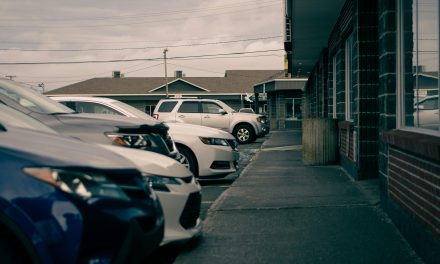
When considering the purchase of a vehicle, one of the first indicators that may raise a red flag is an unusually low price compared to the prevailing market value. A vehicle priced significantly below its market value can be enticing, but it often signals underlying issues that could lead to costly repairs or safety concerns. For instance, if a car that typically retails for $20,000 is listed at $12,000, potential buyers should approach with caution. This discrepancy may indicate that the vehicle has been involved in an accident, has mechanical problems, or has a questionable title history.
Moreover, it is essential to conduct thorough research on the vehicle’s make and model to understand its average market price. Utilizing resources such as Kelley Blue Book or Edmunds can provide valuable insights into fair pricing. If a deal appears too good to be true, it often is. Buyers should be prepared to ask probing questions about the vehicle’s history and condition, ensuring they are not lured into a potentially hazardous financial decision.
When considering the purchase of a used car, it’s crucial to be aware of potential red flags that could indicate underlying issues. For instance, signs of previous accidents, unusual wear and tear, or inconsistent service records can all be warning signs. To further enhance your knowledge on making informed decisions, you might find it helpful to read a related article on home maintenance. This article, which provides 10 essential DIY home repair tips to save time and money, emphasizes the importance of being proactive in various aspects of ownership, whether it be a vehicle or a home.
Incomplete or Missing Vehicle History Report
A comprehensive vehicle history report is crucial for any prospective buyer. This document provides essential information regarding the car’s past, including accident history, title status, service records, and previous ownership details. If a seller cannot provide a complete vehicle history report or if significant portions of the report are missing, it raises concerns about transparency and the vehicle’s condition.
For example, a missing report may indicate that the vehicle has been involved in serious accidents that were not disclosed or that it has undergone significant repairs without proper documentation. Buyers should utilize services like Carfax or AutoCheck to obtain detailed reports before making any commitments. A thorough examination of this report can reveal hidden issues that could affect the vehicle’s safety and reliability.
Signs of Frame Damage or Poor Repairs

Frame damage is one of the most serious concerns when evaluating a used vehicle. The frame serves as the structural backbone of the car, and any damage can compromise its integrity and safety. Signs of frame damage may include uneven gaps between body panels, misaligned doors, or visible welds that suggest previous repairs. Additionally, if a vehicle has undergone poor repairs, it may exhibit signs of rust or corrosion in areas that were not adequately addressed.
Potential buyers should conduct a meticulous inspection of the vehicle’s exterior and undercarriage. Utilizing a magnet can help identify areas where body filler has been used to conceal damage. If frame damage is suspected, it is advisable to seek the expertise of a qualified mechanic who can perform a thorough assessment and provide insights into the potential costs associated with repairs.
Multiple Ownership Changes in a Short Period

A vehicle that has changed ownership multiple times within a short timeframe can be a cause for concern. Frequent ownership changes may indicate underlying issues such as mechanical problems, poor performance, or dissatisfaction with the vehicle’s reliability. Buyers should investigate the reasons behind these changes by reviewing the vehicle history report and asking the seller about their experience with the car.
Additionally, vehicles with numerous previous owners may have inconsistent maintenance records, leading to potential long-term issues. It is prudent for buyers to consider vehicles with fewer ownership changes, as this often correlates with better care and maintenance over time.
When considering the purchase of a used car, it’s essential to be aware of potential red flags that could indicate underlying issues. For instance, a vehicle with a history of accidents or extensive repairs may not be a wise investment. To gain further insights into the nuances of buying a used car, you might find it helpful to read a related article that discusses common pitfalls and how to avoid them. This resource can provide valuable tips to ensure you make an informed decision. You can check it out here.
Inconsistent or Tampered Odometer Readings
Odometer readings are critical indicators of a vehicle’s usage and overall wear and tear. Inconsistent or tampered odometer readings can mislead buyers regarding the true mileage of the car, potentially resulting in unexpected maintenance costs down the line. For instance, if a vehicle shows 50,000 miles but has signs of excessive wear typically associated with higher mileage, it raises suspicions about odometer tampering.
To mitigate this risk, buyers should cross-reference odometer readings with maintenance records and vehicle history reports. Additionally, utilizing tools such as Carfax can help identify discrepancies in reported mileage over time. If tampering is suspected, it is advisable to walk away from the purchase altogether.
When considering the purchase of a used car, it’s essential to be aware of potential red flags that could indicate underlying issues. For instance, checking the vehicle’s history report can reveal past accidents or title problems that might not be immediately visible. If you’re interested in learning more about how to ensure a smooth transition for your new pet after neutering, you might find this article on cat care tips particularly helpful, as it emphasizes the importance of being informed and prepared, much like when buying a used car.
Excessive Rust or Corrosion on Key Components
Rust and corrosion can significantly impact a vehicle’s longevity and safety. Excessive rust on key components such as the frame, suspension parts, or brake lines can lead to structural failures and costly repairs. Buyers should conduct a thorough inspection of both visible and hidden areas of the vehicle for signs of rust or corrosion.
Pay particular attention to wheel wells, undercarriage components, and areas where moisture may accumulate. If rust is present, it is essential to assess its severity and determine whether it can be repaired effectively. In some cases, extensive rust damage may render a vehicle unsafe for operation.
Warning Lights Illuminated on the Dashboard
Warning lights illuminated on the dashboard serve as critical indicators of potential issues within a vehicle’s systems. Common warning lights include those for the check engine light, oil pressure warning, battery alert, and brake system warning. If multiple warning lights are illuminated during a test drive or inspection, it suggests that there may be underlying mechanical problems that require immediate attention.
Prospective buyers should not ignore these warning signs; instead, they should seek diagnostic testing from a qualified mechanic to identify the root causes of these alerts. Ignoring illuminated warning lights can lead to further complications and costly repairs down the line.
Poor Maintenance Records or Lack Thereof
A well-maintained vehicle typically comes with comprehensive maintenance records detailing routine services such as oil changes, tire rotations, and brake inspections. Conversely, poor maintenance records or a complete lack thereof can indicate neglect and potential future problems. Buyers should request access to these records to assess how well the previous owner cared for the vehicle.
If maintenance records are sparse or nonexistent, it may be wise to approach the purchase with caution. A lack of documented service history can lead to uncertainty regarding the vehicle’s condition and reliability.
Strange Noises or Performance Issues During Test Drive
A test drive is an invaluable opportunity for prospective buyers to evaluate a vehicle’s performance firsthand. During this process, any strange noises—such as grinding sounds from the brakes or rattling from the engine—should raise immediate concerns about potential mechanical issues. Additionally, performance problems such as difficulty accelerating or erratic handling can indicate underlying faults that require attention.
Buyers should pay close attention to how the vehicle responds during various driving conditions and take note of any unusual sensations or sounds. If any issues arise during the test drive, it is advisable to consult with a qualified mechanic before proceeding with the purchase.
Title Issues, Such as Salvage or Rebuilt Status
Title issues can significantly impact a vehicle’s value and insurability. A salvage title indicates that an insurance company deemed the car a total loss due to damage from an accident or other incidents. Similarly, a rebuilt title signifies that the vehicle has undergone repairs after being declared salvageable but may still carry inherent risks related to its safety and reliability.
Prospective buyers should always verify the title status through official channels before making any commitments. Understanding whether a vehicle has a clean title or carries salvage/rebuilt status is crucial for making informed purchasing decisions.
Seller’s Reluctance to Allow Independent Inspection
A reputable seller should have no qualms about allowing an independent inspection of their vehicle by a qualified mechanic. If a seller exhibits reluctance or outright refusal to permit such an inspection, it raises significant concerns about transparency and potential hidden issues within the car.
Buyers should insist on an independent inspection as part of their due diligence process. This step can uncover hidden problems that may not be immediately apparent during casual observation or test drives.
In summary, purchasing a used vehicle requires careful consideration and vigilance against potential pitfalls. By being aware of red flags such as unusually low prices, incomplete history reports, signs of damage, frequent ownership changes, tampered odometers, excessive rust, warning lights, poor maintenance records, strange noises during test drives, title issues, and seller reluctance for inspections, buyers can make informed decisions that protect their investments and ensure their safety on the road.
FAQ Section:
1. **What should I do if I suspect odometer tampering?**
– If you suspect odometer tampering, refrain from purchasing the vehicle and report your findings to local authorities for further investigation.
2. **How can I obtain a vehicle history report?**
– You can obtain a vehicle history report through services like Carfax or AutoCheck by entering the Vehicle Identification Number (VIN).
3. **What are common signs of frame damage?**
– Common signs include uneven gaps between body panels, misaligned doors or hoods, and visible welds indicating past repairs.
4. **Is it safe to buy a car with a salvage title?**
– While it is possible to buy a salvage title car safely, it requires thorough inspection and understanding of potential risks involved.
5. **What should I look for during a test drive?**
– Pay attention to unusual noises, performance issues like acceleration problems or steering difficulties, and how well brakes respond.
6. **How important are maintenance records?**
– Maintenance records are crucial as they provide insight into how well the previous owner cared for the vehicle and its overall reliability.
7. **What does it mean if multiple warning lights are on?**
– Multiple warning lights indicate potential mechanical issues that require immediate attention; diagnostic testing is recommended.
8. **Can I negotiate price based on discovered issues?**
– Yes! If you uncover issues during your inspection or test drive, use them as leverage in negotiations with the seller.
9. **What steps should I take if I find excessive rust?**
– Assess the severity of rust damage; consult with a mechanic for repair estimates before deciding whether to proceed with purchase.
10. **Why is an independent inspection important?**
– An independent inspection provides an unbiased assessment of the vehicle’s condition and uncovers hidden problems that could affect safety and performance.
In conclusion, navigating the used car market requires diligence and awareness of potential pitfalls that could lead to costly mistakes or safety hazards. By remaining vigilant about red flags such as pricing discrepancies, incomplete histories, signs of damage or neglect, buyers can make informed decisions that ensure their investment is sound and their driving experience remains safe and enjoyable.
FAQs
What are common red flags to look for when inspecting a used car?
Common red flags include signs of rust or corrosion, mismatched paint colors, uneven gaps between body panels, and worn tires. Additionally, check for any leaks under the vehicle and listen for unusual noises when starting the engine or during a test drive.
How can I verify the vehicle’s history before purchasing?
You can verify a vehicle’s history by obtaining a vehicle history report through services like Carfax or AutoCheck. These reports provide information on previous accidents, title status, service records, and odometer readings, helping you assess the car’s past.
What should I be cautious about regarding the mileage of a used car?
Be cautious if the mileage seems unusually low for the car’s age, as this could indicate tampering. Additionally, consider the type of driving the car has experienced; highway miles are generally less taxing than city driving. Always compare the mileage with the vehicle’s maintenance records.
Why is it important to have a mechanic inspect the used car?
Having a mechanic inspect the used car is crucial because they can identify hidden issues that may not be apparent during a casual inspection or test drive. A professional can assess the engine, transmission, brakes, and other critical components, potentially saving you from costly repairs down the line.
What are some warning signs during a test drive?
During a test drive, watch for warning signs such as difficulty steering, unusual vibrations, or pulling to one side. Pay attention to how the brakes respond and listen for any strange noises from the engine or suspension. Additionally, check that all dashboard warning lights function properly.