Experiencing a car that refuses to start despite having a seemingly functional battery can be perplexing and frustrating. Many drivers assume that a good battery guarantees a vehicle’s operability, but this is not always the case. A multitude of factors can contribute to this phenomenon, ranging from electrical issues to mechanical failures. Understanding these potential culprits is essential for diagnosing the problem effectively and determining the appropriate course of action.
The complexity of modern vehicles means that they are equipped with intricate electrical systems that can fail in various ways. A thorough examination of the components involved in starting the engine is crucial. This article will delve into the common reasons why a car may not start despite having a good battery, providing insights into troubleshooting methods and potential solutions.
If you’re wondering why your car is completely dead despite having a good battery, it might be worth exploring other potential issues that could be affecting your vehicle. For instance, problems with the starter motor, ignition system, or even a faulty alternator could be the culprits. To gain a better understanding of troubleshooting car issues, you might find this article helpful: 10 Essential Dog Training Tips Every Pet Owner Should Know. While it focuses on dog training, the problem-solving mindset it encourages can be applied to diagnosing car troubles as well.
Faulty Starter Motor: When the Engine Won’t Turn Over
One of the primary reasons a vehicle may fail to start is a malfunctioning starter motor. The starter motor is responsible for initiating the engine’s operation by turning over the crankshaft. If this component is defective, it may produce clicking sounds or fail to engage altogether, leaving the engine silent.
Diagnosing a faulty starter motor typically involves checking for voltage at the starter terminals and assessing the integrity of the wiring. If the starter motor is found to be defective, replacement is often necessary. In some cases, cleaning or tightening connections may restore functionality, but persistent issues usually indicate that a new starter motor is required.
Ignition Switch Problems: The Hidden Electrical Culprit

The ignition switch plays a pivotal role in starting your vehicle by controlling the flow of electricity to various components, including the starter motor. If the ignition switch malfunctions, it may prevent power from reaching the starter, resulting in a no-start condition. Symptoms of an ignition switch issue can include intermittent electrical failures or dashboard lights that flicker when attempting to start the engine.
To diagnose ignition switch problems, technicians often perform tests to measure voltage output at different positions of the switch. If a fault is detected, replacing the ignition switch is typically the most effective solution. Ensuring that all connections are secure and free from corrosion can also help mitigate potential issues related to this component.
Corroded or Loose Battery Connections: The Silent Power Blocker

Even with a good battery, corroded or loose connections can impede electrical flow, preventing your vehicle from starting. Corrosion can build up on battery terminals over time, creating resistance that hinders power transfer. Loose connections can also disrupt the circuit, leading to intermittent starting issues.
To address this problem, it is essential to inspect battery terminals for signs of corrosion and ensure that connections are tight. Cleaning corroded terminals with a mixture of baking soda and water can help restore conductivity. Regular maintenance of battery connections can prevent future issues and ensure reliable vehicle operation.
If you’re wondering why your car is completely dead despite having a good battery, it could be due to several factors such as a faulty starter, issues with the ignition system, or even problems with the alternator. For a deeper understanding of potential car issues and their solutions, you might find this article helpful. It explores various automotive problems and provides insights that could help you diagnose your vehicle’s situation. You can read more about it here.
Blown Fuses and Relays: Checking Your Car’s Electrical Safety Nets
Fuses and relays serve as critical safety mechanisms within a vehicle’s electrical system. A blown fuse can interrupt power to essential components, including the starter motor and ignition system, resulting in a no-start condition. Similarly, malfunctioning relays can prevent electrical signals from reaching their intended destinations.
To troubleshoot this issue, it is advisable to consult the vehicle’s owner manual to locate fuse boxes and identify relevant fuses associated with starting systems. Replacing blown fuses with ones of the same amperage can restore functionality. If relays are suspected to be faulty, testing them with a multimeter or swapping them with known good relays can help diagnose the problem.
If you find yourself asking why your car is completely dead despite having a good battery, it could be due to several underlying issues such as a faulty alternator, a bad starter, or even electrical problems. To explore more about troubleshooting car issues, you might find this article on effective pest control methods interesting, as it highlights the importance of maintaining your environment, much like how regular car maintenance can prevent unexpected breakdowns. For more insights, check out this related article.
Faulty Alternator: Why Your Battery Might Not Be Charging Properly
The alternator is responsible for charging the battery while the engine runs and powering electrical systems. If the alternator fails, it may not adequately charge the battery, leading to a situation where the battery appears good but lacks sufficient power to start the engine. Symptoms of alternator failure can include dimming headlights or warning lights on the dashboard.
To assess alternator functionality, technicians often perform voltage tests while the engine is running. A healthy alternator should produce between 13.8 to 14.5 volts. If readings fall outside this range, replacement may be necessary to ensure proper battery charging and overall vehicle performance.
Bad Neutral Safety Switch: Preventing the Engine from Starting
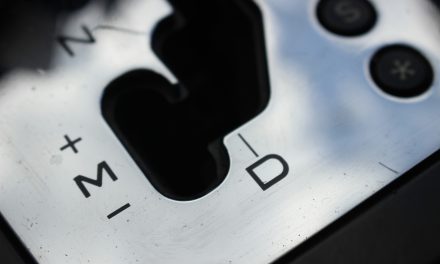
The neutral safety switch is designed to prevent the engine from starting unless the transmission is in either park or neutral. A malfunctioning neutral safety switch can lead to a no-start condition even if all other components are functioning correctly. Symptoms may include an inability to start in park but successful starts in neutral or vice versa.
Diagnosing this issue typically involves testing the switch’s continuity and ensuring proper alignment within the transmission assembly. If found defective, replacing the neutral safety switch will restore normal starting functionality.
Security System Malfunctions: When Your Car’s Anti-Theft Stops You
Modern vehicles often come equipped with sophisticated anti-theft systems designed to deter unauthorized access and theft. However, these systems can sometimes malfunction, inadvertently preventing legitimate users from starting their vehicles. Symptoms may include flashing security lights or failure to recognize key fobs.
To troubleshoot security system issues, it may be necessary to reset the system or reprogram key fobs according to manufacturer specifications. In some cases, consulting with a dealership or automotive locksmith may be required for advanced diagnostics and repairs.
Fuel Delivery Issues: The Engine’s Lifeline Disrupted
Fuel delivery problems can also contribute to a no-start condition, even when electrical systems appear functional. Issues such as clogged fuel filters, malfunctioning fuel pumps, or empty fuel tanks can disrupt the flow of fuel necessary for combustion.
To diagnose fuel delivery issues, technicians often check fuel pressure using specialized gauges and inspect fuel lines for blockages or leaks. Replacing clogged filters or faulty pumps can restore proper fuel flow and enable successful engine starts.
Wiring Problems: Diagnosing Electrical Shorts and Breaks
Electrical shorts or breaks in wiring can lead to significant starting issues by disrupting power flow throughout the vehicle’s electrical system. Symptoms may include intermittent starting problems or complete electrical failure when attempting to start.
Diagnosing wiring problems typically involves visual inspections for frayed wires or loose connections and using multimeters to test continuity throughout circuits. Repairing damaged wiring or replacing faulty connectors can resolve these issues and restore reliable vehicle operation.
How to Troubleshoot and When to Seek Professional Help
In summary, diagnosing why a car with a good battery fails to start requires a systematic approach that considers various potential issues ranging from faulty starter motors to wiring problems. By understanding these components and their functions, drivers can effectively troubleshoot their vehicles and identify solutions.
However, if troubleshooting efforts do not yield results or if you lack experience in automotive repair, seeking professional assistance is advisable. Certified mechanics possess the expertise and tools necessary to diagnose complex issues accurately and ensure safe vehicle operation.
In conclusion, maintaining awareness of these common problems can empower drivers to take proactive measures in vehicle maintenance and troubleshooting, ultimately enhancing their driving experience and minimizing frustration on the road.
FAQs
What could cause my car to be completely dead even with a good battery?
Several factors can lead to a car being completely dead despite having a good battery. These include issues with the starter motor, a blown fuse, faulty ignition switch, or problems with the alternator. Additionally, corroded battery terminals or loose connections can prevent power from reaching the vehicle’s electrical systems.
How can I check if my battery is truly good?
You can check if your battery is good by using a multimeter to measure its voltage. A fully charged battery should read around 12.6 volts or higher. If the voltage is significantly lower, the battery may be weak or failing. Additionally, you can perform a load test at an auto parts store to confirm its condition.
What should I do if my car won’t start but the battery is fine?
If your car won’t start but the battery is fine, first check for any signs of electrical issues, such as dim lights or clicking sounds when turning the key. Inspect the battery terminals for corrosion and ensure they are tightly connected. If everything appears normal, consider checking the starter motor, fuses, and ignition system.
Can a faulty alternator cause my car to be dead with a good battery?
Yes, a faulty alternator can cause your car to be dead even if the battery is good. The alternator is responsible for charging the battery while the engine is running. If it fails, the battery may not receive a charge, leading to a complete power loss once the battery is drained.
Is it possible for a car’s electrical system to fail independently of the battery?
Yes, a car’s electrical system can fail independently of the battery. Issues such as damaged wiring, blown fuses, or malfunctioning relays can disrupt the electrical flow, causing the vehicle to be unresponsive. These problems can occur regardless of the battery’s condition.