Brake pads are a critical component of a vehicle’s braking system, serving as the interface between the brake caliper and the brake rotor. Their primary function is to create friction, which slows down or stops the vehicle when the brake pedal is engaged. The effectiveness of brake pads directly influences overall vehicle safety, performance, and driving comfort. High-quality brake pads can significantly enhance stopping power, reduce stopping distances, and improve the overall driving experience.
The importance of maintaining brake pads cannot be overstated. Worn or damaged brake pads can lead to decreased braking efficiency, increased stopping distances, and potential accidents. Regular inspection and timely replacement of brake pads are essential for ensuring optimal vehicle performance and safety. Understanding the signs of wear and knowing when to replace brake pads can save drivers from costly repairs and enhance their safety on the road.
If you’re looking to understand more about vehicle maintenance, particularly how to tell if brake pads are worn out, you might find it helpful to read a related article on pest control methods. While it may seem unrelated, both topics emphasize the importance of timely intervention to prevent larger issues. For instance, just as neglected brake pads can lead to serious safety hazards, ignoring pest problems can escalate into significant infestations. To explore this further, check out this article on how cockroach baits work compared to sprays: do cockroach baits work?.
Sign 1: Squeaking or Squealing Noises
One of the most common indicators that brake pads require attention is the presence of squeaking or squealing noises when braking. These sounds often arise from a wear indicator embedded within the brake pad material, designed to alert drivers that the pads are nearing the end of their lifespan. The noise is typically a high-pitched sound that occurs when the pads have worn down to a certain level, indicating that they need replacement.
In some cases, squeaking may also result from dust or debris trapped between the brake pad and rotor. However, if the noise persists despite cleaning, it is crucial to consider replacing the brake pads. Ignoring these auditory warnings can lead to more severe issues, such as rotor damage or decreased braking efficiency.
Sign 2: Reduced Braking Performance

Another significant sign that brake pads may need replacement is a noticeable reduction in braking performance. Drivers may experience longer stopping distances or a lack of responsiveness when pressing the brake pedal. This diminished performance can be attributed to worn-out friction material on the pads, which compromises their ability to generate adequate stopping power.
Reduced braking performance can pose serious safety risks, especially in emergency situations where quick stops are necessary. If you find yourself pressing harder on the brake pedal to achieve the same stopping power, it is essential to have your brake system inspected promptly. Addressing this issue early can prevent further damage to other components of the braking system and ensure your safety on the road.
Sign 3: Grinding Sounds When Braking

Grinding sounds during braking are a clear indication that brake pads have worn down significantly and may be damaging the rotors. This noise occurs when the metal backing plate of the brake pad comes into contact with the rotor surface due to insufficient friction material. The grinding sound is often accompanied by a noticeable decrease in braking efficiency and can lead to costly repairs if not addressed promptly.
If you hear grinding noises while braking, it is crucial to stop driving immediately and have your vehicle inspected by a qualified technician. Continuing to drive with grinding brakes can result in severe rotor damage, necessitating expensive replacements or resurfacing procedures.
When it comes to vehicle maintenance, knowing how to tell if brake pads are worn out is essential for ensuring your safety on the road. Regularly checking your brake pads can prevent costly repairs and enhance your driving experience. For more tips on maintaining your home and keeping it in top shape, you might find this article on DIY pest prevention solutions quite helpful. Keeping both your car and home well-maintained can save you time and money in the long run.
Sign 4: Brake Pedal Feels Soft or Spongy
A soft or spongy brake pedal can indicate several issues within the braking system, including air in the brake lines or worn brake pads. When brake pads wear down excessively, they may not engage properly with the rotor, leading to a loss of hydraulic pressure and a spongy feel when pressing the pedal. This sensation can compromise your ability to stop effectively and safely.
If you experience a soft brake pedal, it is essential to investigate further. Check for any visible leaks in the brake lines or master cylinder, as these can also contribute to reduced braking performance. Addressing this issue promptly can prevent further complications and ensure your vehicle remains safe for operation.
Sign 5: Vibration or Pulsation During Braking
Experiencing vibration or pulsation through the brake pedal while braking can indicate uneven wear on the brake pads or warped rotors. This phenomenon occurs when the surface of the rotor is not smooth, causing inconsistent contact with the brake pads during engagement. As a result, drivers may feel a pulsating sensation in the pedal, which can be both distracting and concerning.
If you notice this symptom, it is advisable to have your braking system inspected by a professional technician. They can assess whether the rotors need resurfacing or replacement and determine if new brake pads are necessary to restore optimal braking performance.
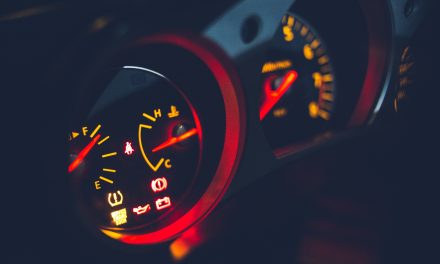
Sign 6: Warning Light on the Dashboard
Modern vehicles are equipped with advanced diagnostic systems that monitor various components, including the braking system. A warning light on the dashboard specifically related to brakes may illuminate when there is an issue with the brake pads or other components of the braking system. This light serves as an important alert for drivers to take immediate action.
When you see a warning light related to your brakes, it is crucial not to ignore it. Consult your vehicle’s owner manual for specific information regarding what the warning light indicates and seek professional assistance as soon as possible. Ignoring this warning could lead to severe safety risks and costly repairs down the line.
Sign 7: Visible Wear Indicator on the Brake Pads
Many modern brake pads come equipped with wear indicators that provide a visual cue when it’s time for replacement. These indicators are typically small metal tabs that become exposed as the friction material wears down. When these tabs make contact with the rotor, they produce a distinct noise that signals it’s time for new pads.
Inspecting your brake pads visually can help you determine their condition without needing specialized tools. If you notice that the wear indicator is visible or making contact with the rotor, it is essential to replace your brake pads immediately to avoid further damage to your braking system.
How to Visually Inspect Your Brake Pads
Visually inspecting your brake pads is a straightforward process that can be performed with minimal tools. Begin by safely lifting your vehicle using a jack and securing it with jack stands. Remove the wheel to gain access to the brake assembly. Once exposed, examine the thickness of the brake pads; they should ideally be at least 1/4 inch thick.
Look for any signs of uneven wear, cracking, or glazing on the surface of the pads. Additionally, check for any debris lodged between the pad and rotor that could affect performance. If you notice any significant wear or damage, it’s advisable to consult a professional mechanic for further evaluation and potential replacement.
Step-by-Step Guide to Measuring Brake Pad Thickness
Measuring brake pad thickness accurately is essential for determining whether they need replacement. Follow these steps for an effective assessment:
1. **Gather Tools**: You will need a caliper gauge or ruler for precise measurements.
2. **Lift Vehicle**: Safely elevate your vehicle using a jack and secure it with jack stands.
3. **Remove Wheel**: Take off the wheel to access the brake assembly.
4. **Measure Thickness**: Use your caliper gauge or ruler to measure from the backing plate to the surface of the pad.
5. **Compare Measurements**: A thickness of less than 1/4 inch indicates that replacement is necessary.
6. **Inspect for Damage**: Look for any cracks or uneven wear patterns that could affect performance.
By following these steps, you can ensure that your brake pads are in optimal condition and ready for safe driving.
When to Replace Your Brake Pads and Seek Professional Help
Knowing when to replace your brake pads is crucial for maintaining vehicle safety and performance. Generally, it is recommended to replace them every 30,000 to 70,000 miles, depending on driving habits and conditions. However, if you notice any of the signs mentioned earlier—such as squeaking noises, reduced performance, grinding sounds, or dashboard warning lights—it’s imperative to seek professional assistance immediately.
Regular maintenance checks should include an inspection of your braking system at least once a year or every 12,000 miles. If you are unsure about your ability to assess your brake pads’ condition accurately, consulting with a qualified mechanic is always advisable.
In summary, understanding how vital brake pads are for vehicle safety cannot be overstated. Recognizing signs such as unusual noises, reduced performance, or visible wear indicators can help prevent accidents and costly repairs. Regular inspections and timely replacements are essential for maintaining optimal braking efficiency and ensuring safe driving experiences on all roadways.
FAQs
How can I visually inspect my brake pads for wear?
You can visually inspect your brake pads by looking through the wheel spokes. If the pad material is less than 1/4 inch thick, it is likely worn out and should be replaced. Additionally, check for any uneven wear or cracking on the pads.
What are the signs that indicate my brake pads are worn out?
Common signs of worn brake pads include a squeaking or squealing noise when braking, a grinding sound, reduced braking performance, and a vibration or pulsation in the brake pedal. If you notice any of these symptoms, it may be time to check your brake pads.
How often should I check my brake pads for wear?
It is recommended to check your brake pads at least once a year or every 12,000 miles, whichever comes first. However, if you frequently drive in heavy traffic or mountainous areas, you may need to inspect them more often.
Can worn brake pads affect my vehicle’s braking performance?
Yes, worn brake pads can significantly affect your vehicle’s braking performance. They can lead to longer stopping distances, reduced braking efficiency, and increased risk of brake failure, which can compromise your safety on the road.
What should I do if I suspect my brake pads are worn out?
If you suspect your brake pads are worn out, it is important to have them inspected and replaced by a qualified mechanic as soon as possible. Ignoring worn brake pads can lead to more extensive damage to the braking system and increase repair costs.