The parking brake, also known as the handbrake or emergency brake, is a crucial component of a vehicle’s braking system designed to keep the car stationary when parked. Unlike the primary braking system, which operates hydraulically, the parking brake typically functions mechanically. It engages the rear brakes through a cable system or lever mechanism, ensuring that the vehicle remains immobile on inclines or flat surfaces. This system is particularly vital in preventing unintended movement, especially on sloped terrains.
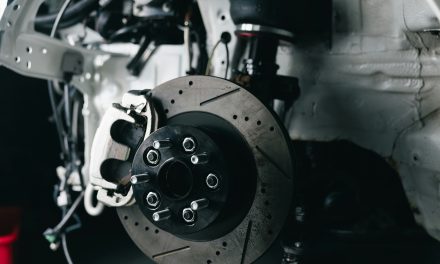
When the parking brake is activated, a cable connected to the brake lever or pedal pulls on the brake shoes or pads, pressing them against the brake drum or rotor. This action creates friction, effectively immobilizing the wheels. The design of this system varies across different vehicle models, with some utilizing a foot-operated mechanism while others employ a hand lever. Understanding how this system operates is essential for diagnosing issues that may arise, particularly when the parking brake becomes stuck.
If you’re experiencing issues with your vehicle’s parking brake, it may be stuck, leading to potential safety hazards. To better understand how to diagnose this problem, you can refer to a related article that provides practical tips on maintaining your car’s interior and exterior. For example, if you’re dealing with any oil stains that may have occurred during maintenance, you can find helpful advice in this article on how to remove them effectively: 10 Easy Ways to Get Oil Stains Out of Fabric Quickly and Effectively.
Common Causes of a Stuck Parking Brake
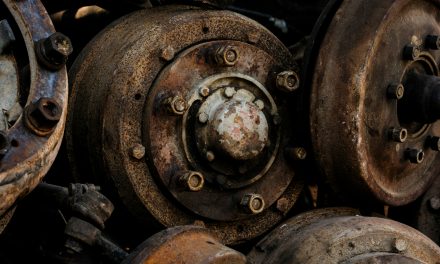
A stuck parking brake can be attributed to several factors, often stemming from mechanical failure or environmental conditions. One prevalent cause is corrosion of the brake components, particularly in regions with harsh weather conditions where road salt is frequently used. Over time, moisture can infiltrate the brake assembly, leading to rust formation that binds the components together. This corrosion can impede the smooth operation of the cable and lever mechanism, resulting in a stuck parking brake.
Another common issue arises from the accumulation of debris or dirt within the braking system. Dust, grime, and other contaminants can interfere with the proper functioning of the parking brake, causing it to seize. Additionally, if the vehicle has been parked for an extended period without movement, the brake pads may adhere to the rotors due to moisture or rust. Regular maintenance and inspections can help mitigate these issues and ensure that the parking brake remains functional.
Sign 1: Difficulty Releasing the Brake Lever or Pedal

One of the first indicators of a malfunctioning parking brake is difficulty in releasing the brake lever or pedal. When engaged, the lever should easily return to its resting position with minimal effort. If you find yourself struggling to disengage it, this could signal an underlying problem. The resistance may stem from a frayed cable or a binding mechanism within the assembly that requires immediate attention.
In some cases, this difficulty may be accompanied by unusual sounds such as clicking or grinding when attempting to release the brake. These noises can indicate that components are not moving freely due to corrosion or debris buildup. Ignoring this sign can lead to further complications, including complete failure of the parking brake system.
Sign 2: Unusual Resistance When Engaging or Disengaging

Another telltale sign of a malfunctioning parking brake is unusual resistance when engaging or disengaging it. A properly functioning system should allow for smooth operation without excessive force. If you experience significant resistance while pulling up on the lever or pressing down on the pedal, it may indicate that the cable is frayed or that there is an obstruction within the braking mechanism.
This resistance can also be symptomatic of misalignment within the brake components. If parts are not correctly positioned, they may bind against one another, creating friction that hinders normal operation. Addressing this issue promptly is crucial to prevent further damage and ensure safe vehicle operation.
If you’re experiencing difficulty with your vehicle, it might be worth checking if the parking brake is stuck, as this can lead to various issues while driving. To learn more about identifying problems with your car, you can refer to a related article that discusses common signs of vehicle malfunctions. Understanding these signs can help you address issues before they escalate. For further information, you can read the article on how to tell if you have mice or rats by following this link.
Sign 3: Brake Warning Light Remains On
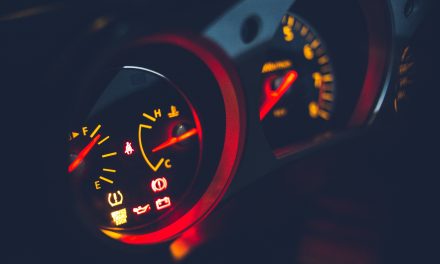
Modern vehicles are equipped with various warning lights on the dashboard to alert drivers to potential issues. One such indicator is the brake warning light, which may illuminate when there is a problem with the parking brake system. If this light remains illuminated after releasing the parking brake, it could signify that there is an underlying issue requiring immediate attention.
The persistence of this warning light may indicate that the parking brake is not fully disengaged or that there is a malfunction within the braking system itself. Ignoring this warning can lead to more severe problems down the line, including compromised braking performance and increased wear on brake components.
If you suspect that your parking brake might be stuck, it’s important to identify the signs early to avoid further complications. Common indicators include unusual noises when trying to drive or a feeling of resistance when releasing the brake. For more detailed guidance on this topic, you can refer to a related article that discusses various vehicle maintenance tips. Understanding how to properly maintain your vehicle can help prevent issues like a stuck parking brake, so be sure to check out this informative piece on vehicle care.
Sign 4: Vehicle Won’t Roll Even in Neutral
A clear indication of a stuck parking brake is when your vehicle refuses to roll even when placed in neutral. This situation can be particularly concerning if you need to move your car for any reason. If you find that your vehicle remains stationary despite being in neutral gear, it is likely that the parking brake is still engaged or has become stuck due to mechanical failure.
This issue can pose safety risks, especially if you are attempting to maneuver your vehicle in tight spaces or on inclines. It is essential to address this problem promptly by inspecting the parking brake system for any signs of damage or malfunction.
Sign 5: Grinding or Squeaking Noises Near the Wheels
Unusual noises emanating from near the wheels can be another sign of a malfunctioning parking brake. Grinding or squeaking sounds may indicate that the brake pads are worn down or that there is debris caught within the braking assembly. These noises can also suggest that components are not functioning correctly due to corrosion or misalignment.
If you hear these sounds while engaging or disengaging your parking brake, it is crucial to investigate further. Ignoring these auditory warnings can lead to more severe damage and costly repairs down the line.
Sign 6: Overheated or Burning Smell from the Wheels
An overheated or burning smell emanating from your wheels is a serious concern and should never be ignored. This odor often indicates that the parking brake is partially engaged while driving, causing excessive friction and heat buildup in the braking components. Prolonged exposure to such conditions can lead to significant damage and even complete failure of the braking system.
If you detect this smell, it is imperative to stop driving immediately and inspect your vehicle for any signs of overheating components. Continuing to operate a vehicle under these conditions can pose severe safety risks and lead to costly repairs.
Sign 7: Visible Rust or Corrosion on Brake Components
Visible rust or corrosion on any part of your braking system is a clear indication that maintenance is overdue. Rust can form on various components, including cables, levers, and brake pads, leading to compromised functionality and increased risk of failure. If you notice any signs of corrosion during routine inspections, it is essential to address these issues promptly.
Regular maintenance and inspections can help prevent rust formation and ensure that all components remain in optimal condition. If rust is present, consider consulting with a professional mechanic for appropriate treatment options.
Quick Fixes: How to Release a Stuck Parking Brake
If you find yourself dealing with a stuck parking brake, there are several quick fixes you can attempt before seeking professional assistance. First, try gently rocking your vehicle back and forth while simultaneously attempting to release the brake lever or pedal. This motion may help dislodge any components that have become stuck due to rust or debris.
Another method involves applying lubricant to the cable and moving parts of the parking brake mechanism. A penetrating oil can help free up any binding components and restore smooth operation. However, if these quick fixes do not resolve the issue, it may be time to consult with a professional mechanic for further diagnosis and repair.
When to Seek Professional Help for Parking Brake Issues
While some minor issues with a parking brake can be resolved through quick fixes, there are instances where professional assistance is necessary. If you experience persistent difficulty releasing or engaging your parking brake despite attempts at troubleshooting, it is crucial to seek expert help. Additionally, if you notice any unusual noises or smells coming from your braking system, do not hesitate to consult with a qualified mechanic.
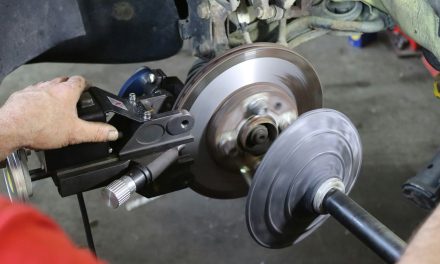
Professional mechanics have access to specialized tools and diagnostic equipment that can accurately identify underlying issues within your parking brake system. They can provide comprehensive inspections and recommend appropriate repair solutions tailored to your vehicle’s specific needs.
In summary, understanding how your parking brake operates and recognizing signs of malfunction are essential for maintaining vehicle safety and performance. Regular inspections and prompt attention to any issues can prevent more severe problems down the line and ensure that your vehicle remains safe on the road.
FAQs
What are the signs that a parking brake is stuck?
Common signs that a parking brake is stuck include difficulty in moving the vehicle, a grinding noise when attempting to drive, and the parking brake warning light remaining illuminated on the dashboard. Additionally, you may notice that the rear wheels are not rotating freely when the vehicle is in motion.
How can I check if my parking brake is stuck?
To check if your parking brake is stuck, first ensure the vehicle is on a flat surface. Attempt to drive the vehicle slowly; if it feels like it is dragging or if the rear wheels are locked, the parking brake may be engaged. You can also visually inspect the brake cables and mechanism for any signs of damage or corrosion.
What should I do if I suspect my parking brake is stuck?
If you suspect your parking brake is stuck, first try to release it by pulling the lever or pressing the pedal fully and then releasing it again. If it does not disengage, avoid driving the vehicle and consult a mechanic to inspect and repair the brake system to prevent further damage.
Can a stuck parking brake cause damage to my vehicle?
Yes, a stuck parking brake can cause significant damage to your vehicle. It can lead to overheating of the brake components, premature wear of the brake pads and rotors, and potential damage to the brake cables. Continuous driving with a stuck parking brake can also affect the transmission and tires.
How can I prevent my parking brake from getting stuck?
To prevent your parking brake from getting stuck, regularly inspect and maintain the brake system, ensuring that cables are lubricated and free of rust. Avoid using the parking brake in extremely cold weather unless necessary, and make sure to fully release the brake after use. Additionally, consider using the parking brake only when parked on an incline.